iNeedWorkwear
All guides / Comparisons

Comparison · Safety footwear

Leather vs synthetic: the upper question.

The toe cap gets the attention, but the upper decides how a boot lives: how it handles rain, how heavy each step is, whether it survives welding spatter, and what it looks like in year two. Leather and modern synthetics split those questions cleanly — and neither wins them all.

Leather
Durability, weather, heat
Synthetic
Light, breathable, box-fresh fit
The job
Decides it, as usual
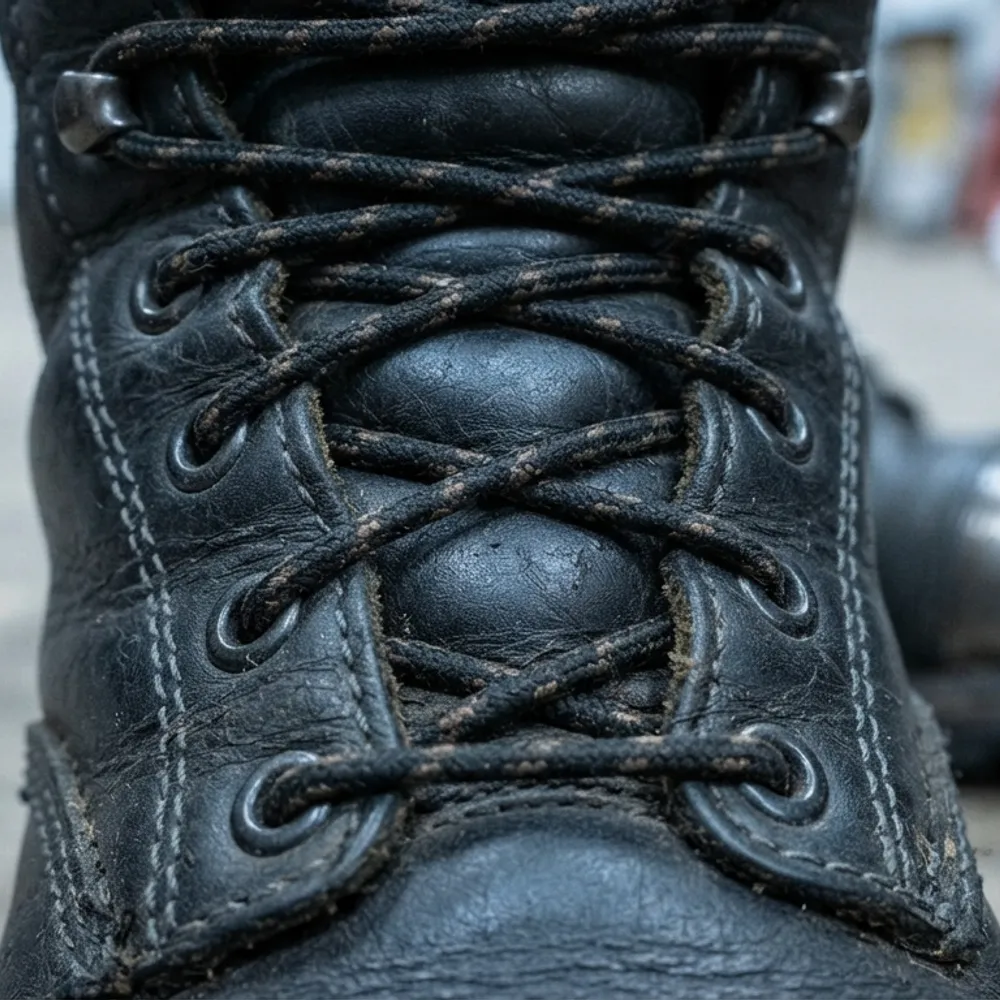
Close-up of a worn leather safety boot with heavy-duty laces
Honest trade-offs, not sales copy Standards cited where they apply Both options usually in stock Trade accounts

The comparison

What each upper is actually good at

Leather's case is endurance and environment: full-grain leather shrugs off abrasion, mud and site chemistry for years, resists water credibly when fed and maintained, and — the point trades forget until sparks fly — tolerates heat and spatter in a way no mesh upper can, which is why welding and foundry boots stay leather. It's also repairable: a decent leather boot re-soles and re-laces through a working life synthetics don't attempt. The costs: weight, a genuine break-in period, and slow drying when finally soaked.

Synthetic's case is the first kilometre and the fifteen-thousandth: microfibre and textile uppers run dramatically lighter, fit box-fresh with no break-in, breathe better in warm indoor work, and dry overnight — the construction behind the safety-trainer revolution in logistics. Metal-free builds also suit screened workplaces. The costs: abrasion and heat take them faster, scuffs are permanent rather than polishable, and lifespan on rough sites runs seasons rather than years.

The verdict is the usual honest one — terrain and task decide: leather for outdoor sites, hot work and years-long ownership; synthetic for distance walking, indoor floors and heat-of-summer comfort; and either way, fit (see lasts) beats material.
The verdict

Upper by job

JobUpperWhy
Construction & groundworksLeather S3Abrasion, mud and years of service
Welding & hot tradesLeather (HRO sole)Spatter tolerance — synthetics melt and fray
Warehouse & logisticsSynthetic S1P trainersWeight per step × 15 km per shift
Van-based multi-tradesEither — hybrid mid-cuts thriveDoorstep-to-site versatility
Wet-through environmentsNeither — S4/S5 wellingtonsPolymer boots own permanently wet ground

Questions

Boot upper FAQ

Do leather safety boots last longer than synthetic?

On abrasive outdoor work, substantially — full-grain leather resists scuffing, mud and site chemistry for years and takes maintenance and repair. Synthetics trade that lifespan for lightness, breathability and no break-in, which on indoor distance work is the better bargain.

Are synthetic safety boots waterproof?

Only with a waterproof membrane lining — textile uppers alone wet through faster than maintained leather. Membrane-lined synthetics handle rain well but dry slowly once soaked through the lining; for standing water either way, safety wellingtons are the honest answer.

Why are welding boots always leather?

Heat and spatter: leather tolerates sparks and hot metal contact that melt synthetic uppers, and welding boot designs add features like covered laces and HRO heat-resistant soles. It's one of the few footwear categories where the material question has only one answer.

Decision made?

Both sides of every comparison are one click away — or ask a human to settle it for your team.