Comparison · Fabrics
The 65/35 polycotton blend didn't take over workwear by accident: it survives washing that kills cotton and costs less than performance fabrics. But pure cotton keeps two thrones the blend can't claim — comfort against skin, and the non-negotiable one: it doesn't melt.

The comparison
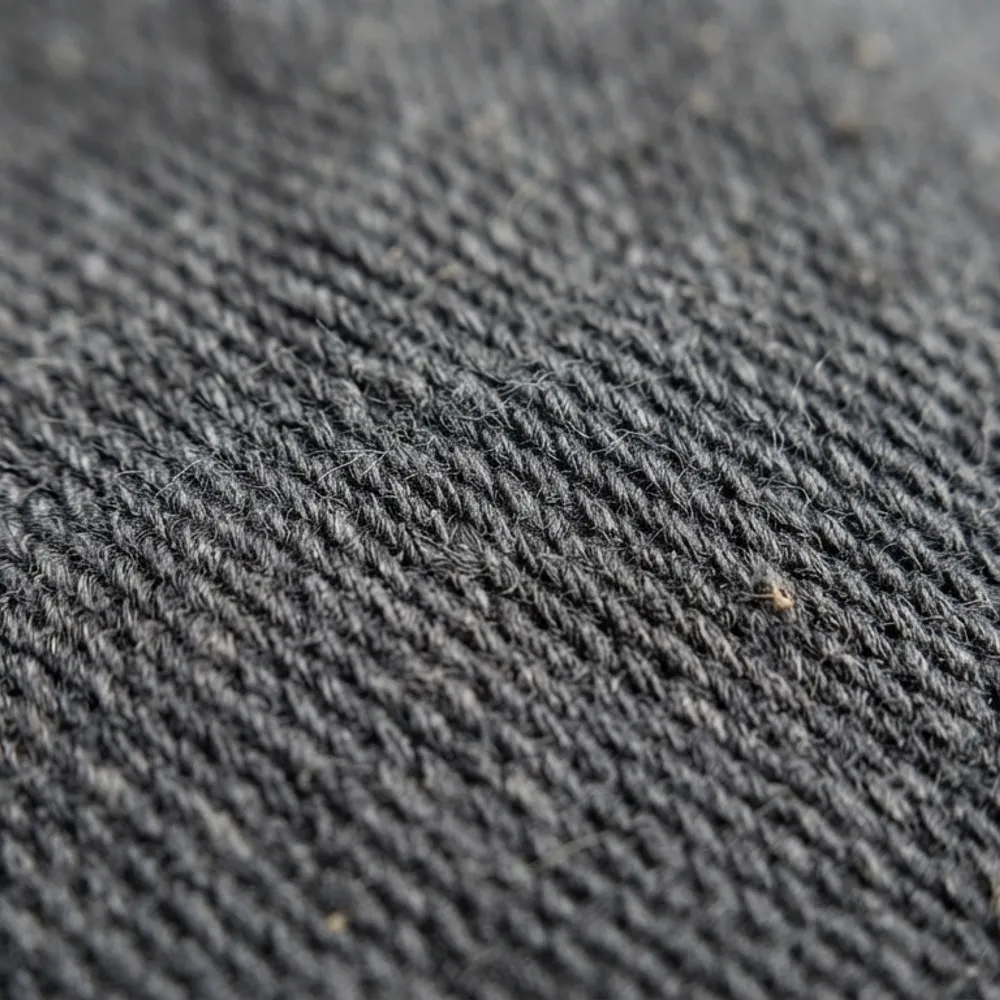
Polycotton's case is survival: polyester content holds colour through hot washes (fleet navies stay matched), resists creasing and abrasion, dries overnight and keeps its shape — the reasons the fabric guide calls 65/35 the workwear default and why industrially laundered kit runs polyester-rich. Cotton's case is skin and heat: it breathes better, feels better worn all day, and behaves honestly around flame — cotton chars; polyester melts and sticks, which is why welding bays, foundries and anyone near hot work wear cotton-rich or certified FR fabrics, and why a polyester tee under FR kit is a hidden hazard rather than a base layer.
The honest verdict runs by job: blend for the fleet (uniform polos, trousers, coveralls that must match and survive), cotton where skin or sparks decide (heavy cotton drill for hot trades, comfort tees for indoor heat), and neither pretends to be the other's specialist — a 100% cotton polo fades and bags in a season of fleet washing, and a polycotton coverall next to a welding arc is the wrong garment entirely.
The verdict
| Job | Fibre | Why |
|---|---|---|
| Team uniform & fleet kit | Polycotton | Colour-match and shape survive the wash count |
| Welding & hot trades | Heavy cotton or certified FR | Melt behaviour decides — welding kit |
| Hot indoor work | Cotton-rich tees | Breathability wins where sparks don't feature |
| Trade trousers & coveralls | Polycotton | Abrasion and drying speed — the coverall logic |
| Summer outdoor work | Technical wicking blends | Neither — evaporation beats both |
Questions
For uniform and general trade kit, usually — it survives repeated washing with colour and shape intact, resists abrasion and dries fast. Cotton wins for comfort against skin and anywhere near heat or sparks, because cotton chars where polyester melts and sticks to skin.
Synthetic fibres melt at temperatures hot work reaches routinely, and molten fabric adheres to skin — turning a spatter burn into a much worse injury. Hot trades wear heavy cotton or certified FR fabrics, and keep synthetic base layers out from underneath.
The fibre ratio: 65% polyester, 35% cotton — the blend that dominates workwear because it balances polyester's durability and washability with enough cotton for comfort. Reversed or higher-poly ratios push durability further for heavy laundering programmes.
Both sides of every comparison are one click away — or ask a human to settle it for your team.