iNeedWorkwear
Footwear hub / Comparison

Comparison · Toe cap materials

Composite vs steel toe caps.

This one has a myth to kill first: a steel cap is not "stronger". Both materials must pass exactly the same 200-joule impact and 15 kN compression tests to be sold as safety footwear. The genuine differences are in weight, temperature, security gates — and what happens after a big hit.
200 J
Both. Identical.
~30–50%
Cap weight saving, composite
0 metal
Composite clears detectors
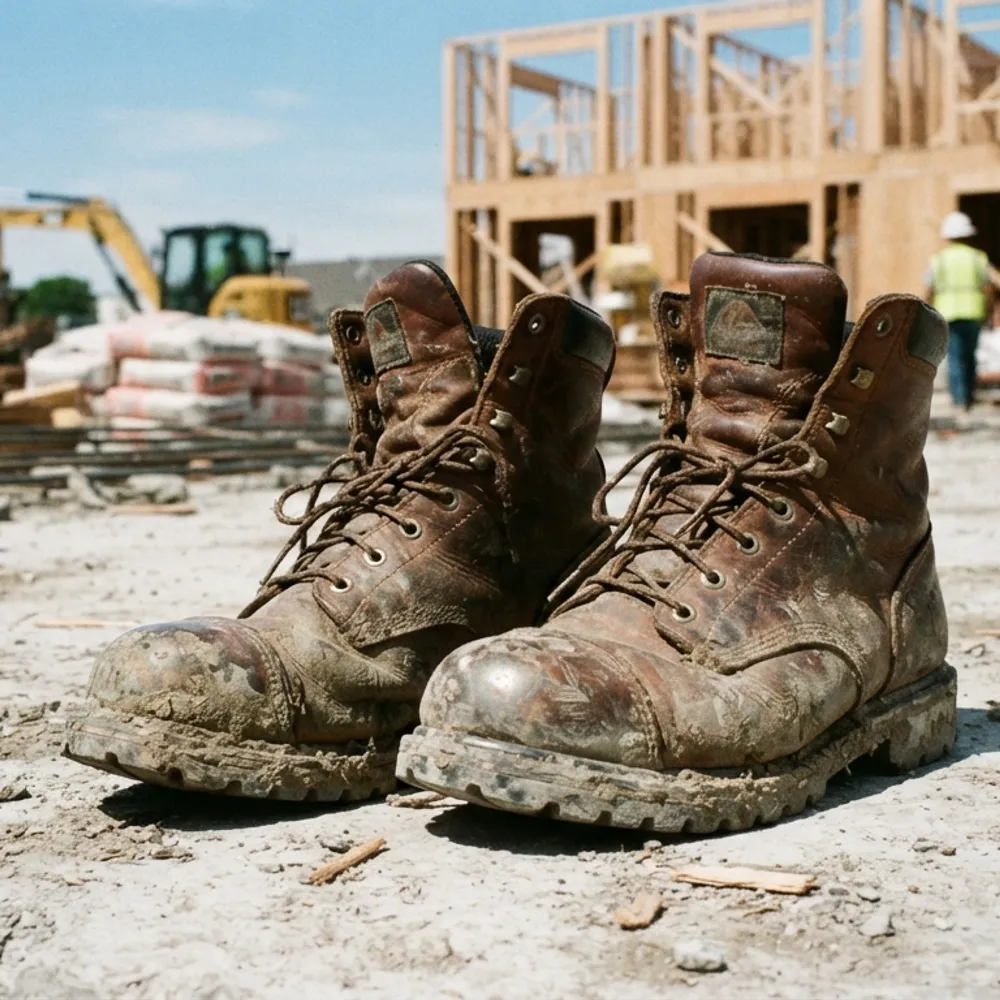
Muddy safety boots with scuffed toe caps on a construction site
EN ISO 20345 certified stock SB to S7 Steel, composite & aluminium caps Boots, shoes & trainers Trade accounts

The level playing field

Protection is a tie — by definition

EN ISO 20345 doesn't care what the cap is made of. Steel, aluminium, fibreglass, carbon composite — every cap must stop the same falling 200-joule mass and the same 15 kN squeeze. A composite S3 boot and a steel S3 boot are, in certification terms, equally protective.

So the decision is about everything else: how the boot carries, how it behaves in heat and cold, whether it sets off an archway, and how each material fails. Those differences are real — and for some jobs they decide the purchase outright.

Head to head

The honest trade-offs

SteelComposite
Impact & compression200 J / 15 kN — identical200 J / 15 kN — identical
Cap weightHeavier — noticeable over a 10-hour shiftTypically 30–50% lighter than the same-size steel cap
Cap profileThin — sleeker toe shapeThicker for the same strength — slightly bulkier toe
Cold weatherConducts cold straight to the toesInsulates — the usual pick for winter and cold stores
Metal detectors / securityTriggers archwaysMetal-free — airports, prisons, secure sites
Electrical environmentsConductive metal in the bootNon-conductive cap material
After a major impactDents visibly — damage is obviousDamage can be internal and invisible
PriceUsually the cheaper optionTypically costs more, gap narrowing
After any serious impact, both caps are spent. A cap is certified for one 200-joule event, not a career of them. Steel at least shows the dent; a composite cap can look perfect with fractured structure inside. Either way: an impact that would have hurt your foot means the boot gets replaced — no exceptions.

Decision

Who should pick which

Pick composite if you're outdoors through winter, on your feet all shift, pass through security archways, or work near live electrical systems. The weight and thermal differences are the ones people actually feel day to day.

Pick steel if budget leads, you want the slimmest toe profile, or you like that impact damage announces itself. In heavy plant and scrap environments some wearers prefer steel precisely because a dented cap is unambiguous.

Aluminium sits between the two — nearly as thin as steel, close to composite weight — but it's still metal, so it solves neither the detector nor the conductivity problem. It suits wearers chasing lightness who don't need metal-free.

Remember

Three things that settle most arguments

Same 200 J
"Steel is stronger" is folklore — certification is identical
Cold toes = steel
Thermal conduction is the difference wearers notice most
One impact, then bin
Applies to both materials equally

Questions

Toe cap FAQ

Is a steel toe cap stronger than composite?

No. Both must pass the identical EN ISO 20345 tests — 200 J impact and 15 kN compression — to be sold as safety footwear. Steel achieves it in a thinner cap; composite needs more material but weighs less. Certified protection is the same.

Are composite toe caps OK in cold weather?

They're the better choice — composite doesn't conduct heat away from the toes the way steel does. For winter site work and cold stores, composite caps (ideally with a CI cold-insulation sole mark) keep feet noticeably warmer.

Do composite toe caps go through airport security?

A fully metal-free composite boot generally clears detector archways, which is why they're standard for airside workers, secure facilities and frequent flyers. Check the whole boot is metal-free — some composite-cap boots still use a steel midsole; look for PL or PS midsole marks instead of P.

When should a boot be replaced after an impact?

After any impact heavy enough that the cap did its job — regardless of material. Steel deforms visibly; composite can fracture internally with no outward sign. The cap's rating is for a single major event, so the boot is retired.

Know your S-code? Shop it.

EN ISO 20345 boots, shoes and safety trainers from stock — S1P and S3 always available, with trade-account ordering for teams.