iNeedWorkwear
All guides / Comparisons

Comparison · Work trousers

Cargo vs holster pockets: carry logic.

Work-trouser pockets split into two philosophies: cargo (enclosed volume on the thigh) and holster (open-topped bags that hang forward for fast access). Both carry a trade's daily clutter; they differ in speed, snag and — the deciding factor at height — what falls out when you climb.

Cargo
Enclosed volume, flapped
Holster
Fast access, hangs forward
At height
Open tops shed contents — the rule
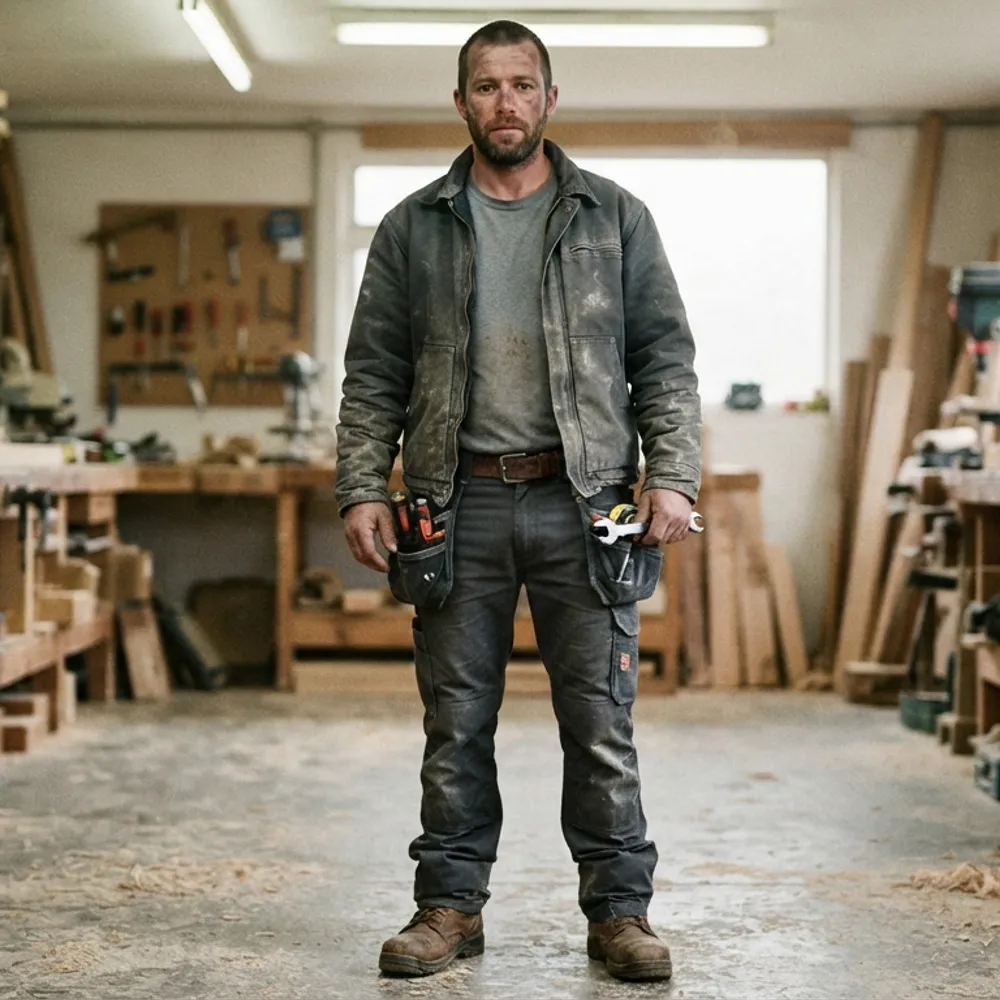
Joiner in work trousers with loaded holster pockets in a workshop
Honest trade-offs, not sales copy Standards cited where they apply Both options usually in stock Trade accounts

The comparison

Speed vs security

Holsters are the fixings-trade favourite for one reason: retrieval speed. Screws, plugs, a driver bit, a pencil — grabbed without looking, a hundred times a day. They hang forward of the thigh, tuck away into their pockets when empty, and turn a trouser into a lightweight tool belt. Their weakness is the same as their strength: open tops. Bend, climb or crawl and contents migrate; at height they rain.

Cargo pockets trade speed for security — flapped, enclosed, flatter against the leg. Better for site paperwork, phones, gloves and anything that must still be there at lunchtime; slower for the fiftieth screw. They also snag less in tight crawls and machine-adjacent work, which is why mechanics and machine trades lean cargo while first-fix carpenters lean holster.

The height rule settles it for some trades: open-topped holsters and ladders are a falling-object generator — scaffolders and roofers spec closing pockets or empty the holsters before the climb. Many trousers now offer both systems on one leg; the real question is which pocket each item of your daily carry lives in.
The sort

Trade by trade

TradeLeanWhy
Carpenters & shopfittersHolsterFixings all day — retrieval speed compounds
ElectriciansHolster + cargo mixFast small parts plus secured testers
Scaffolders & roofersClosing pocketsNothing open-topped climbs — the height rule
Mechanics & machine tradesCargoSnag-averse environments; holsters catch
Site managersCargoPaper, phone, keys — security over speed

Questions

Pocket FAQ

What are holster pockets for?

Fast, no-look access to high-frequency small items — screws, bits, pencils — hanging forward of the thigh like a soft tool belt. Trades that reach for fixings hundreds of times a day (carpentry, shopfitting, first fix) get the most from them.

Are holster pockets allowed when working at height?

Many height trades restrict open-topped pockets or require them emptied before climbing — anything open sheds contents on ladders and scaffolds, and falling objects are a top site hazard. Closing cargo or zipped pockets are the height-friendly carry.

Can you get trousers with both cargo and holster pockets?

Yes — many modern work trousers combine cargo volume with detachable or tuck-away holsters, letting one trouser serve bench days and site days. The practical exercise is listing your daily carry and assigning each item a pocket that closes if you climb.

Decision made?

Both sides of every comparison are one click away — or ask a human to settle it for your team.