iNeedWorkwear
All guides / Comparisons

Comparison · Respiratory protection

Half-mask or disposables: the crossover point.

A tradesperson reaching for their fifth disposable mask of the week is usually holding the wrong product: past a couple of days' use per week, a reusable half-mask with P3 filters protects at least as well, seals better, and costs less within months — in exchange for one honest obligation: looking after it.

Crossover
Regular use favours reusable fast
P3 / A2P3
Filters chosen by hazard
The duty
Clean it, store it, replace filters
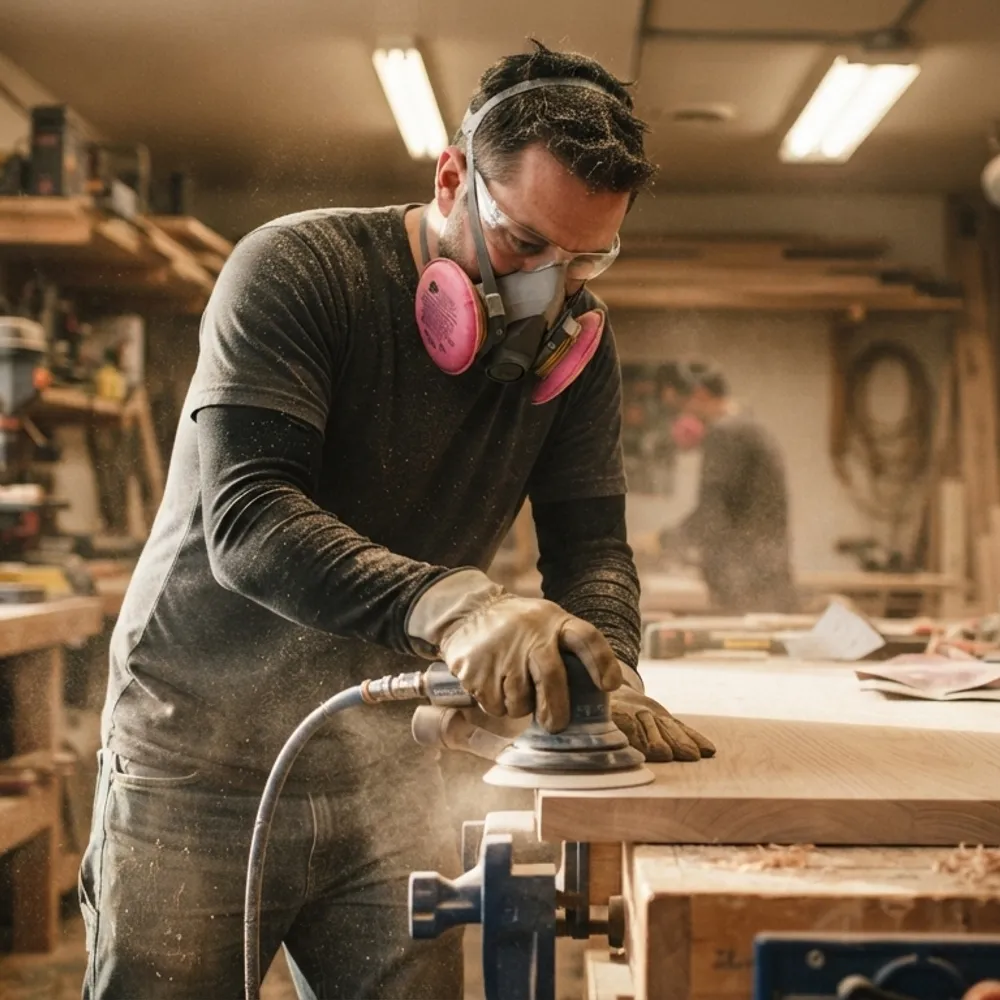
Worker in a twin-filter half-mask respirator and safety glasses sanding a board
Honest trade-offs, not sales copy Standards cited where they apply Both options usually in stock Trade accounts

The comparison

Same job, different economics

Protection-wise the two overlap: a half-mask (EN 140) with P3 particle filters meets or beats FFP3 performance, with a silicone faceseal that typically fits better and fit-tests more repeatably than pleated disposables. Where the half-mask pulls decisively ahead is gases and vapours: cartridge filters (A2 for organic solvents, combined A2P3 for spraying and mixed exposure) do what no FFP can — the reason bodyshop prep and solvent trades live in half-masks.

The economics: disposables win for occasional and visitor use — no cleaning, no storage, grab and bin. But at trade frequency the curve crosses within months: one mask body plus periodic filters undercuts the running spend on decent FFP3s, and the gap widens every week. The duty that comes with reuse: wipe and wash per the maker's schedule, store sealed (an open toolbox mask clogs its own filters), replace particle filters on breathing resistance and gas cartridges on schedule or scent-break — and inspect the valves. A neglected half-mask degrades to theatre exactly like a week-old disposable.
The decision

Which way to jump

PatternBetter callWhy
Daily or weekly dusty trade workHalf-mask + P3Cost crossover in months; better seal
Occasional tasks, visitors, one-offsDisposable FFPNo maintenance chain to manage
Solvents, paints, adhesivesHalf-mask + A2P3FFPs filter no vapours at all
Hot, long shiftsHalf-mask (lower resistance) or poweredComfort keeps it on the face
BeardsNeither — powered hoodTight-fitting anything needs a sealed face

Questions

Half-mask FAQ

Is a half-mask better than FFP3?

With P3 filters it protects at least as well, usually seals better, and adds capability FFPs lack — gas and vapour cartridges. For regular users it's also cheaper within months. The trade-off is the maintenance duty: cleaning, sealed storage, filter changes and valve checks.

What filters do I need for a half-mask?

By hazard: P3 for dusts and particulates, A2 for organic vapours (solvents, many paints), combined A2P3 where both apply — spraying being the classic case. The filter, not the mask body, is the protection; match it to the assessment and the product data sheets.

How often should half-mask filters be changed?

Particle filters when breathing resistance rises noticeably; gas cartridges on the maker's schedule or immediately on any scent or taste breakthrough — never run them to 'empty'. Store the mask sealed between uses so the filters aren't quietly loading on the shelf.

Decision made?

Both sides of every comparison are one click away — or ask a human to settle it for your team.