Buying guide · Women's fit
A third of many site and healthcare teams are women wearing kit patterned on men — sleeves rolled twice, gloves a size too big, hi-vis like a tabard on a fence post. That's not a comfort niggle: excess fabric snags, oversized gloves fumble, and PPE that doesn't fit doesn't protect as certified. The fix exists; you just have to specify it.
The problem
Unisex workwear is drafted on a male block: straighter hip, longer torso, broader shoulder, bigger hands. Put it on a typical female frame and the failures are physical, not aesthetic — trousers that gape or won't rise, excess sleeve and jacket fabric that catches on machinery and ladders, gloves whose empty fingertips wreck dexterity and get deliberately removed, and hi-vis that drapes so the retroreflective bands sit wrong. Safety kit is tested and certified on the assumption it fits; oversized isn't a style, it's a derating.
What a real women's range changes: repatterned rise and hip on trousers, shorter back length and adjusted shoulder on jackets, narrower lasts on safety boots, and gloves in genuine small sizes with proportionate finger lengths — not the same garment graded down. Maternity is its own list, covered in our maternity guide.
The checklist
| Item | What to specify | Why |
|---|---|---|
| Trousers | Women's-cut with knee-pad pockets, not size-8 men's | Rise and hip drafting — the pocket sits on the knee in a kneel |
| Hi-vis | Women's-cut Class 2/3 where available | Bands sit level; less drape to snag — the hi-vis guide |
| Gloves | True size 6–8 ranges per task | Fingertip fit is dexterity — same ratings, right size |
| Safety boots | Women's-last models, not small men's sizes | Different heel and width — blisters are how bad lasts announce themselves |
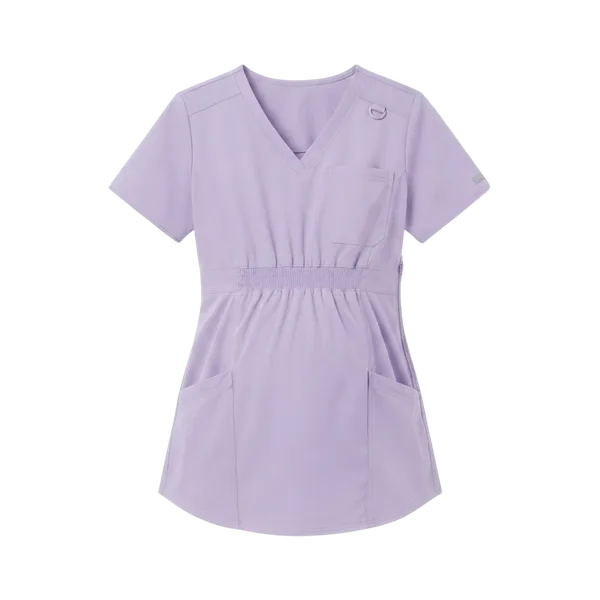
| Scrubs & tunics | Fitted ranges in the policy fabric | Tunic vs scrubs covers the choice |
The employer angle
Questions
Properly made women's ranges are repatterned — different rise and hip on trousers, adjusted shoulder and back length on jackets, narrower boot lasts, proportionate glove fingers — not men's garments graded down. That drafting difference is what makes the kit sit, move and protect correctly.
Yes. Gloves with empty fingertips destroy dexterity and get removed; excess jacket and sleeve fabric snags on machinery and ladders; draped hi-vis mispositions its reflective bands; boots on the wrong last cause the blisters that put people in trainers. PPE is certified assuming correct fit — oversized quietly voids the assumption.
Employers must provide PPE that fits and suits each wearer — supplying men's sizing only and calling it unisex doesn't meet that duty where fit is compromised. Women's-cut options now exist across nearly every category, so availability is rarely a defensible objection.
Everything in these guides is stocked, embroiderable and priced for teams.