iNeedWorkwear
All guides / Buying guides

Buying guide · Sustainable workwear

Sustainable workwear, past the green labels.

Workwear has a genuine sustainability story and a lot of green paint. The genuine part: garments bought once, worn for years and kept in service beat almost any fabric claim. Here's how to buy it with a straight face.

Durability
The biggest lever, unfashionably
rPET
The most common real claim
3 questions
That expose greenwash
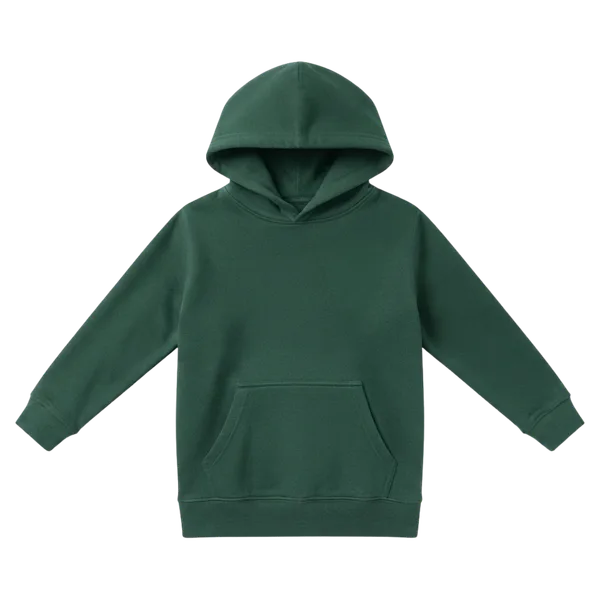
Forest green organic cotton hoodie
Buying logic, not sales copy Fabric and spec named Team quantities priced on request Trade accounts

The honest hierarchy

Longevity beats fabric claims

The most sustainable garment in your fleet is the one that doesn't get replaced this year. A heavier, better-constructed polo that survives three years of washing outperforms a recycled-fabric one binned in twelve months — on carbon, water and waste. So the hierarchy runs: buy durable → keep it in service (care and repair-adjacent maintenance) → then let fabric claims break ties.

On those claims: recycled polyester (rPET) is the workhorse — bottle-derived fibre with genuinely lower impact than virgin, now common in fleeces, polos and softshells at trade prices. Organic and better-cotton programmes cut pesticide and water impact on the cotton share of blends. Both are real; neither makes a flimsy garment sustainable.
Due diligence

Three questions that separate substance from paint

AskA good answer sounds likeA red flag sounds like
What exactly is recycled, and how much?"The shell fabric is 100% rPET, certified""Made with recycled materials" (unquantified)
What's the certification?GRS / OCS / OEKO-TEX named on the spec sheetA green leaf on the swing tag and nothing else
What's the expected service life?A wash-count or wear-life the maker will stateSilence — durability claims cost money to stand behind

The fleet view

What a sustainable uniform programme actually does

Beyond the garments: rationalise the wardrobe (fewer, better lines beat a sprawling catalogue of cheap ones), embroider rather than print where possible so garments outlive design tweaks, rotate and launder properly so kit reaches its design life — most of the care hub is quietly a sustainability page — and plan end-of-life: de-branding and textile recycling for retired uniform rather than the skip. None of it is glamorous; all of it beats a leaf on a label.

Reality check

Claims worth trusting

Certified %
A number and a scheme (GRS, OCS) — not an adjective
Stated wash life
Durability someone will put in writing
Spare parts logic
Replaceable pads, buttons, zips — designed to be kept, not binned

Questions

Sustainable workwear FAQ

Is recycled polyester workwear actually better?

Genuinely lower-impact than virgin polyester, yes — and now available at trade prices in fleeces, polos and shells. But the bigger lever is service life: a durable garment kept in use for years beats a short-lived recycled one on every environmental measure.

What certifications should sustainable workwear have?

Look for named schemes with numbers attached: GRS (Global Recycled Standard) or OCS for recycled content, OEKO-TEX for chemical safety, organic certification on cotton claims. An unquantified 'eco' label with no scheme behind it is marketing.

What happens to old branded workwear?

The responsible route is de-branding (unpicking or covering logos) and textile recycling or reuse schemes rather than landfill — some suppliers and laundries run take-back programmes. Planning it at purchase time beats improvising at skip time.

List written — kit it out.

Everything in these guides is stocked, embroiderable and priced for teams.