Buying guide · Cold weather
The British winter injury isn't frostbite — it's the productivity and judgement drain of being wet-cold for six hours, plus the hands that stop working first. Winter buying that starts with 'a big coat' solves the wrong problem: the right purchase is a system whose layers come on and off as the work heats up.

The system
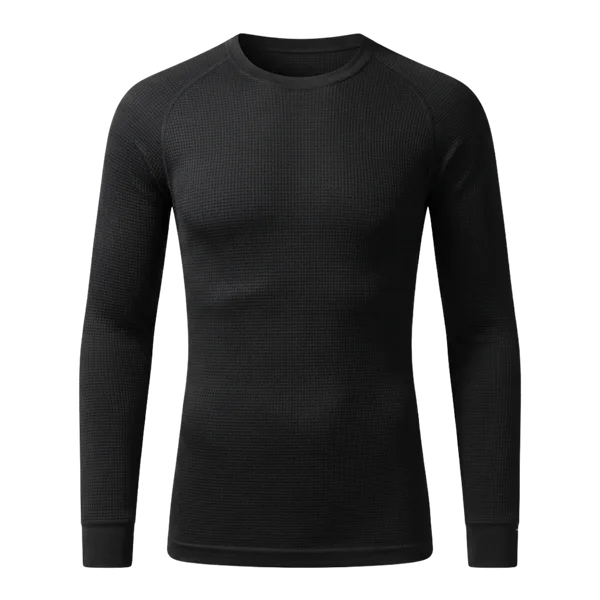
Base moves sweat — because active work generates moisture in any temperature, and wet skin in cold air is how the misery starts. Wicking synthetics or merino; never cotton against winter skin (the full base-layer logic). Mid holds warmth — fleece, insulated gilets or knits, sized to the person's heat output: the scaffolder and the gate guard need different thicknesses of the same idea. Shell stops weather — wind first (windchill does more daily damage than temperature), rain always (EN 343 ratings decoded), and it must fit over the other layers, which is why winter shells are bought a size wiser (the jacket families).
When certification enters: ordinary winter work is layering judgement, but static work in real cold — gates, banksman duties, and everything in cold stores — moves to EN 342-rated ensembles with measured insulation. And extremities decide the day: EN 511 gloves (the wet-cold test matters more than the temperature one in Britain), thermal socks that still fit inside the boot, and a beanie or helmet liner — the cheapest warmth per pound anywhere on the body.
The list
| Item | The spec | The note |
|---|---|---|
| Base layers ×2–3 | Wicking synthetic or merino | Rotation — a damp base ruins day two |
| Mid layer | Fleece / insulated gilet by heat output | Active workers run thinner than static |
| Shell | Windproof, EN 343 rated, sized over layers | Reproof before the season, not during |
| Gloves | EN 511 + task dexterity, plus spares | Wet-cold rating is the British spec |
| Socks & head | Thermal socks that fit the boot; beanie/liner | Extremities are where winter actually bites |
The realities
Questions
A three-layer system: wicking base (never cotton), insulating mid sized to your work rate, and a windproof, waterproof shell sized to fit over both — plus EN 511-rated gloves with spares, thermal socks and head coverage. Layers beat one heavy coat because effort varies through the shift.
For sustained work in genuinely cold environments — cold stores and freezer chambers above all, plus very cold static outdoor roles. EN 342 ensembles carry measured insulation values rather than 'padded' promises. Ordinary winter site work is served by good layering without the certification.
Fingers have high surface area, low muscle mass and get wet — and once dexterity drops, the work stops or gets dangerous. EN 511-rated gloves (tested for wet and convective cold), dry spares in the van and glove discipline outperform any amount of extra jacket.
Everything in these guides is stocked, embroiderable and priced for teams.