iNeedWorkwear
All guides / Buying guides

Buying guide · Hot weather

Summer workwear: staying safe when the site bakes.

British summers are short and increasingly brutal, and outdoor trades feel every degree. Hot-weather kit is a genuine safety topic — heat stress degrades judgement before it drops anyone, and UV is a career-length skin-cancer dose for outdoor workers — but most of the fixes are fabric choices, made in advance.
Wicking
Fabric that moves sweat beats less fabric
UPF
Sun protection you wear, not reapply
Site rules
Shorts are a policy, not a right
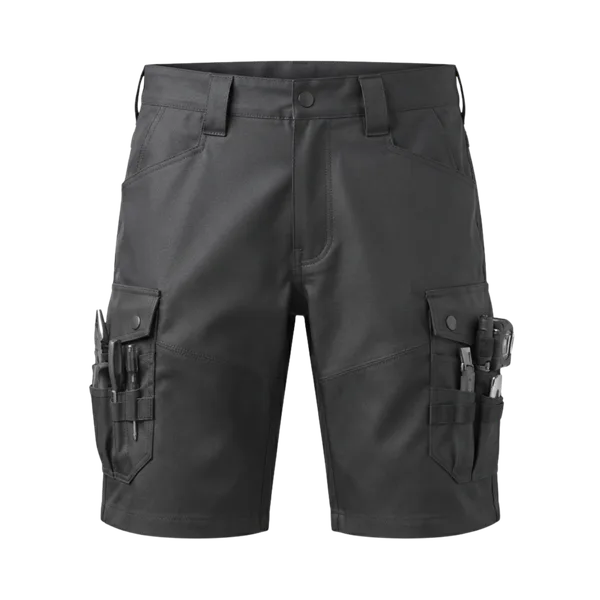
Black work shorts
Buying logic, not sales copy Fabric and spec named Team quantities priced on request Trade accounts

The physics

Less clothing isn't the win it feels like

The instinct in a heatwave is minimum fabric; the physiology disagrees. Bare skin in direct sun gains radiant heat and UV dose; what actually cools is evaporation — which a lightweight wicking synthetic accelerates by spreading sweat, while a soaked cotton tee just sits wet and heavy against the skin. So summer buying is fabric-first: wicking tees and polos, lighter-gsm trousers with stretch and venting, and technical base layers that do in July what they do in January — move moisture.

Sun is the quieter hazard. Outdoor workers carry multiples of the general population's UV exposure, and long sleeves in light wicking fabric with a UPF rating beat sunscreen's reapply-every-two-hours reality for arms and shoulders. Neck flaps and brims on headwear cover the spots that burn first.

The list

The hot-weather kit map

ItemWhat to buyThe detail
Tees & polosLightweight wicking fabricCotton comfort is a myth once you're sweating
Trousers / shortsLight-gsm stretch trousers; shorts where policy allowsMany sites ban shorts (impact, UV, chemical exposure) — check first
Hi-visMesh-backed vests and lightweight Class 2/3 garmentsCompliance doesn't pause for heat — class rules hold
Sun protectionUPF-rated long sleeves, brimmed or flapped headwearPlus sunscreen for face and hands — the unwearable zones
FootwearBreathable-upper safety trainers where the risk assessment allowsS1P in breathable builds exists for exactly this

Heat stress

The bit that's not about clothes

Water + shade
Hydration and rest breaks do more than any garment — schedule them, don't rely on thirst
Early signs
Headache, cramps, irritability, poor decisions — heat degrades judgement before it drops people
PPE conflict
FR, chem suits and helmets get harder in heat, not optional — plan task rotation instead

Questions

Summer kit FAQ

Can you wear shorts on a construction site?

Only if the site allows it — many don't, citing impact and abrasion risk, UV exposure and task hazards, and some allow them only for specific trades or with specific risk assessments. It's a site policy question, not a legal entitlement either way. Lightweight stretch trousers are the compromise that usually survives the argument.

What's the best fabric for working in hot weather?

Lightweight moisture-wicking synthetics (or technical blends) that spread sweat and let it evaporate — evaporation is what cools you. Heavy cotton feels natural but holds sweat against the skin. For sun exposure, light long sleeves with a UPF rating often beat bare arms on both comfort and dose.

Do hi-vis rules relax in summer?

No — if the risk assessment says Class 2 or 3, it says so in August. The answer is summer-weight hi-vis: mesh-backed vests, lightweight polos and jackets certified to the same EN ISO 20471 classes. Compliance and comfort aren't in conflict once you buy for the season.

List written — kit it out.

Everything in these guides is stocked, embroiderable and priced for teams.