iNeedWorkwear
All guides / Buying guides

Buying guide · Headwear

Work headwear: uniform, warmth or PPE?

Headwear is three different purchases wearing one name. Sometimes it's uniform — a logo cap on a delivery driver. Sometimes it's comfort kit — a thermal beanie on a winter site. And sometimes it's PPE with a standard number, where buying the wrong thing isn't a style mistake but a compliance one. Sort out which you're buying and the rest is easy.

3 jobs
Brand, warmth, protection
EN 812
Bump cap — not a helmet
Front panel
Where the logo earns its keep
Black embroidered work cap
Buying logic, not sales copy Fabric and spec named Team quantities priced on request Trade accounts

The distinction

Know which of the three you're buying

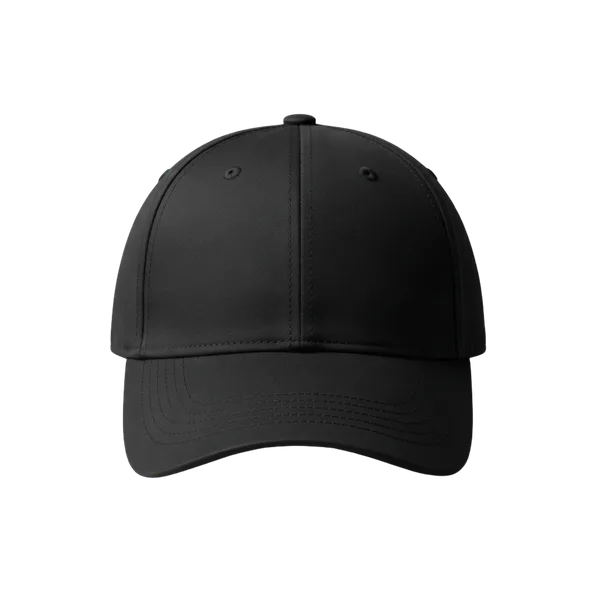
Uniform headwear is branding: an embroidered cap puts the logo at eye level on every doorstep and counter, which is why couriers and trades franchises live in them. Buy on panel quality and embroidery position — a structured front panel takes a logo cleanly; unstructured caps crumple it.

Comfort headwear is thermal: beanies and liners for outdoor trades, cold stores and winter yards. Look for machine-washable acrylic or acrylic-wool, and thin-knit versions that fit under a helmet rather than instead of one.

Protective headwear carries a number. A bump cap (EN 812) protects against striking your own head on fixed objects — vans, low steel, plant interiors — and looks like a baseball cap with a shell inside. It is not a safety helmet: falling-object protection is EN 397 territory, decoded in our helmets guide. Sites that specify helmets mean helmets; a bump cap on a scaffold job is the wrong answer however smart it looks.

Food production adds a fourth, disposable case — hairnets, snoods and mob caps are hygiene consumables covered in our food processing guide.
The map

Headwear by job

TypeWhere it belongsStandard
Embroidered capCouriers, trades, hospitality counters — brand visibilityNone — it's uniform
Beanie / thermal linerOutdoor trades, cold store, winter sitesNone; helmet-compatible cuts matter
Bump capVehicle workshops, warehouse picking under racking, meter readingEN 812
Safety helmetConstruction, lifting operations, anywhere objects can fallEN 397
Hairnet / snoodFood production and prep — hygiene, not impactSite hygiene policy

Buying notes

The three that get missed

Bump ≠ helmet
EN 812 protects you from the van roof; EN 397 protects you from the scaffold. Never substitute down
Under-helmet fit
Winter beanies must be thin-knit to sit under a shell — thick knits lift the helmet off its cradle
Cap embroidery
Front-centre, roughly 60mm wide, on a structured panel — see <a href='how-embroidery-pricing-works.html'>logo pricing</a>

Questions

Headwear FAQ

What is the difference between a bump cap and a safety helmet?

A bump cap (EN 812) protects against you striking your head on fixed objects — low beams, vehicle interiors, racking. A safety helmet (EN 397) protects against falling objects and carries much higher impact requirements. They are not interchangeable: where a site or risk assessment specifies a helmet, a bump cap does not comply.

Can you wear a beanie under a safety helmet?

Yes, if it's a thin-knit or purpose-made helmet liner that doesn't interfere with the harness cradle. A thick beanie lifts the shell and changes how the helmet sits and performs. Many helmet ranges offer winter liners designed for exactly this.

Where should a logo go on a work cap?

Front and centre on a structured panel, typically around 55–65mm wide. Structured caps hold the embroidery flat; unstructured ones crease through the design. Keep the artwork simple — fine text disappears at cap-embroidery scale.

List written — kit it out.

Everything in these guides is stocked, embroiderable and priced for teams.