iNeedWorkwear
Hi-vis

Standards hub · High-visibility workwear

Hi-vis workwear: classes, standards & how to choose.

"Hi-vis" isn't one thing — it's three classes, one standard, and a decision that hangs on how fast the traffic moves and how bad the light gets. This hub gives you the whole picture, then points to the detailed guides.
EN ISO 20471
The standard
Class 1 / 2 / 3
By risk
Fluoro + tape
Two materials
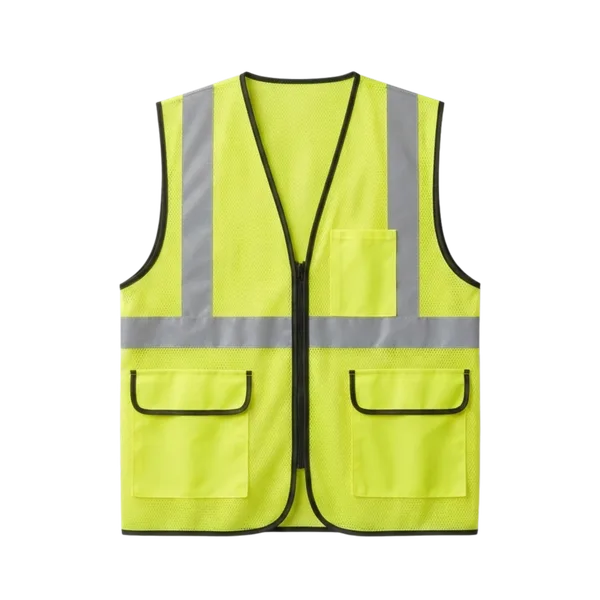
Fluorescent yellow hi-vis vest with retroreflective tape
EN ISO 20471 certified stock Class 1–3 Yellow & orange Logo embroidery & print Trade accounts

The short version

Two materials, three classes, one decision

High-visibility clothing works two ways at once. Fluorescent background fabric lifts the wearer out of the background in daylight; retroreflective tape bounces headlights back at drivers after dark. A compliant garment needs enough of both, and the standard that sets "enough" is EN ISO 20471.

That standard sorts garments into three classes by the minimum area of each material. More area = visibility at greater distance and worse light — so the class you need is driven by risk, chiefly the speed of nearby traffic and the light level.

At a glance

The three classes

Class is set by the minimum area of fluorescent background and retroreflective material. Higher class = seen from further away.

Lowest coverage

Class 1

≈ 0.14 m² fluoro · 0.10 m² tape

Low-risk, off-road — car parks, warehouses away from traffic.

Mid coverage

Class 2

≈ 0.50 m² fluoro · 0.13 m² tape

The everyday workhorse — typically a waistcoat or vest.

Highest coverage

Class 3

≈ 0.80 m² fluoro · 0.20 m² tape

Maximum visibility — needs sleeves or trouser bands. High-speed roads, night work.

Full detail on the areas, tape and certification: Read: EN ISO 20471 explained →

Choosing

Match the class to the risk

No single legal class — it's risk-led. The faster the traffic and poorer the light, the higher the class.

EnvironmentTypical classWhy
Warehouse / yard away from vehiclesClass 1Low speed, controlled setting
Busy depot, deliveries, car parks with trafficClass 2Moderate speed, mixed foot/vehicle
Roadside & highway maintenanceClass 3High speed — max distance visibility
Night work / low light, any speedClass 3Poor light raises the requirement
Railway tracksideClass 3 (orange)Rail rules mandate orange Class 3
The most common real-world question: Class 2 vs Class 3 — which do you need? →

The bit people miss

Hi-vis wears out its compliance

Fluoro fades
UV and washing dull the background over time
Tape degrades
Retroreflectivity drops as tape cracks and wears
Wash limit
Garments carry a max wash-cycle rating — replace beyond it

Go deeper

The detailed guides

This hub is the overview. Each guide takes one part further — and links back here.

Questions

Hi-vis FAQ

What are the three hi-vis classes?

EN ISO 20471 defines three classes by the minimum area of fluorescent background and retroreflective material. Class 1 is lowest, Class 2 sits in the middle (typically a vest), and Class 3 is highest and normally needs sleeves or trouser bands. Higher class means visibility over greater distance and in worse conditions.

Which hi-vis class do I legally need?

There's no single legal class — it's risk-led. High-speed roads, night work and highway maintenance point to Class 3; busy yards to Class 2; low-risk off-road to Class 1. Some sectors set their own rule — rail mandates orange Class 3.

Does hi-vis stop being compliant over time?

Yes. Fluorescence fades and tape degrades with washing, UV and wear, so a faded garment can drop below the standard even though it still looks yellow. Garments carry a maximum number of wash cycles — replace worn kit.

Kitting a team out in hi-vis?

EN ISO 20471 Class 1–3 in yellow and orange, with embroidery or print and trade-account ordering.