iNeedWorkwear
Hi-vis hub / Comparison

Comparison · Class 2 vs Class 3

Class 2 vs Class 3 hi-vis: which do you need?

It's the most common hi-vis question, and the honest answer is a risk assessment — but the pattern is clear. The faster the traffic and the worse the light, the more it tips from a Class 2 vest to full Class 3.

0.50 vs 0.80 m²
Background area
Vest vs sleeves
The practical gap
Speed + light
What decides it
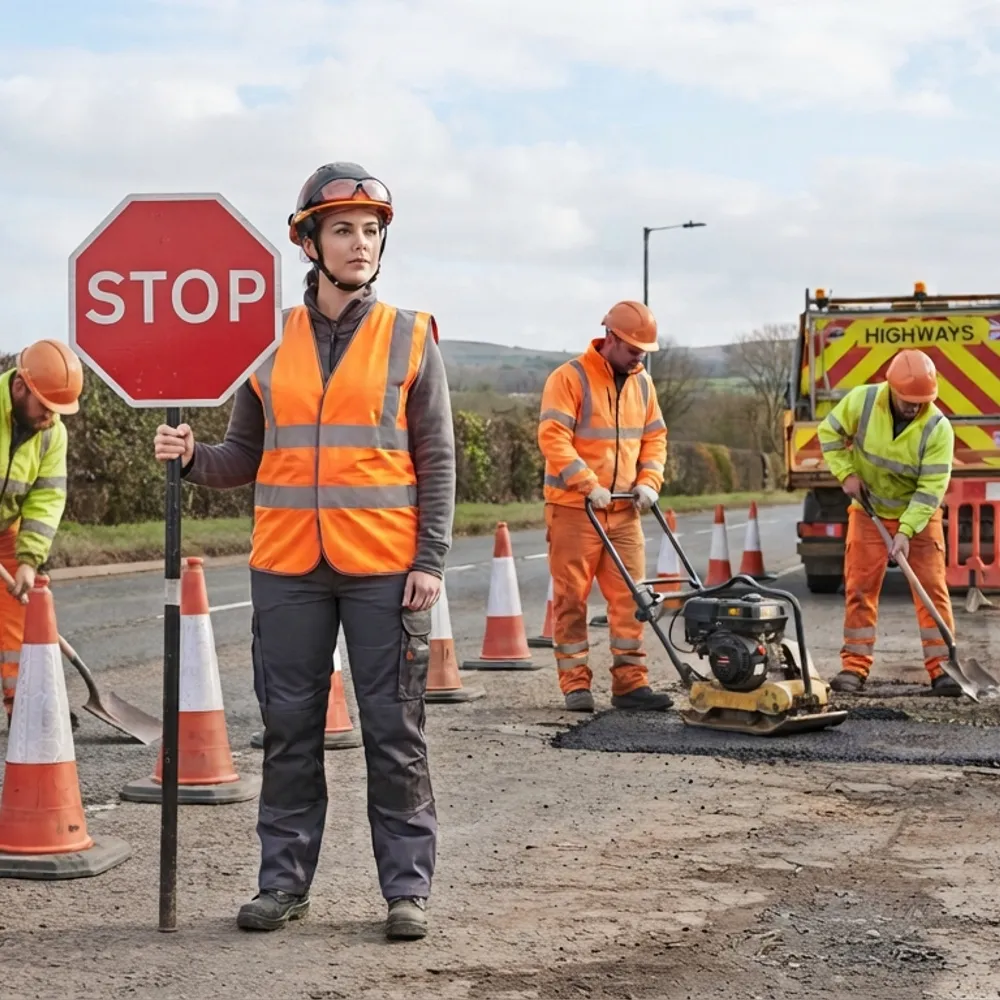
Road crew in mixed yellow and orange hi-vis with a stop sign at roadworks
EN ISO 20471 certified stock Class 1–3 Yellow & orange Logo embroidery & print Trade accounts

Head to head

The difference is coverage

Both are EN ISO 20471. The gap is how much bright fabric and tape the garment carries — and therefore how far away, and in how little light, you're seen.

Mid coverage

Class 2

≈ 0.50 m² fluoro

Typically a vest. Good day / moderate-light visibility. Busy yards, deliveries, car parks. Lighter and cheaper — but short where speed and dark combine.

Highest coverage

Class 3

≈ 0.80 m² fluoro

Needs sleeves, or jacket + hi-vis trousers. Seen from further and in poor light. Required for high-speed roads, night work, highways. The safe default near live traffic.

Why sleeves matter: the jump to 0.80 m² is usually impossible in a vest, so Class 3 means a sleeved garment or a jacket + trousers together. Mechanics in EN ISO 20471 explained.

Place your job

A decision table by role & environment

Guidance, not gospel — your site risk assessment sets the final call.

Role / environmentTypical classDriver
Warehouse pick/pack, low vehicle trafficClass 2Low speed, good light
Delivery driver, urban multi-dropClass 2Moderate speed, daytime
Yard marshal / banksman, mixed plantClass 2 → 3Rises with speed & light
Highway / roadside maintenanceClass 3High-speed traffic
Any night or low-light work near vehiclesClass 3Poor light
Railway tracksideClass 3 (orange)Rail rules
Rule of thumb: on or beside a live, higher-speed carriageway, or in the dark near moving vehicles — Class 3. Otherwise Class 2 is the sensible, wearable default, confirmed by your assessment.

Questions

Class 2 vs Class 3 FAQ

What's the difference between Class 2 and Class 3?

Coverage. Class 2 carries about 0.50 m² of background and is typically a vest. Class 3 carries about 0.80 m² and normally needs sleeves or hi-vis trousers, making the wearer visible from further and in worse light. Class 3 is the higher level.

When is Class 3 required?

Where risk is highest — high-speed roads, highway maintenance, night or low-light work, and jobs around fast-moving vehicles. Railway trackside mandates orange Class 3. When speed and poor light combine, Class 3 is the safe default.

Is Class 2 ever enough near roads?

For low to moderate-speed, well-lit environments — busy yards, car parks, delivery work — Class 2 is often appropriate. The moment speed rises, light drops, or the work moves onto the live carriageway, the assessment usually points to Class 3.
Kitting a team out in hi-vis?

EN ISO 20471 Class 1–3 in yellow and orange, with embroidery or print and trade-account ordering.