iNeedWorkwear
Areas hub / Southampton

Area guide · Southampton

Workwear in Southampton: the two-collar port.

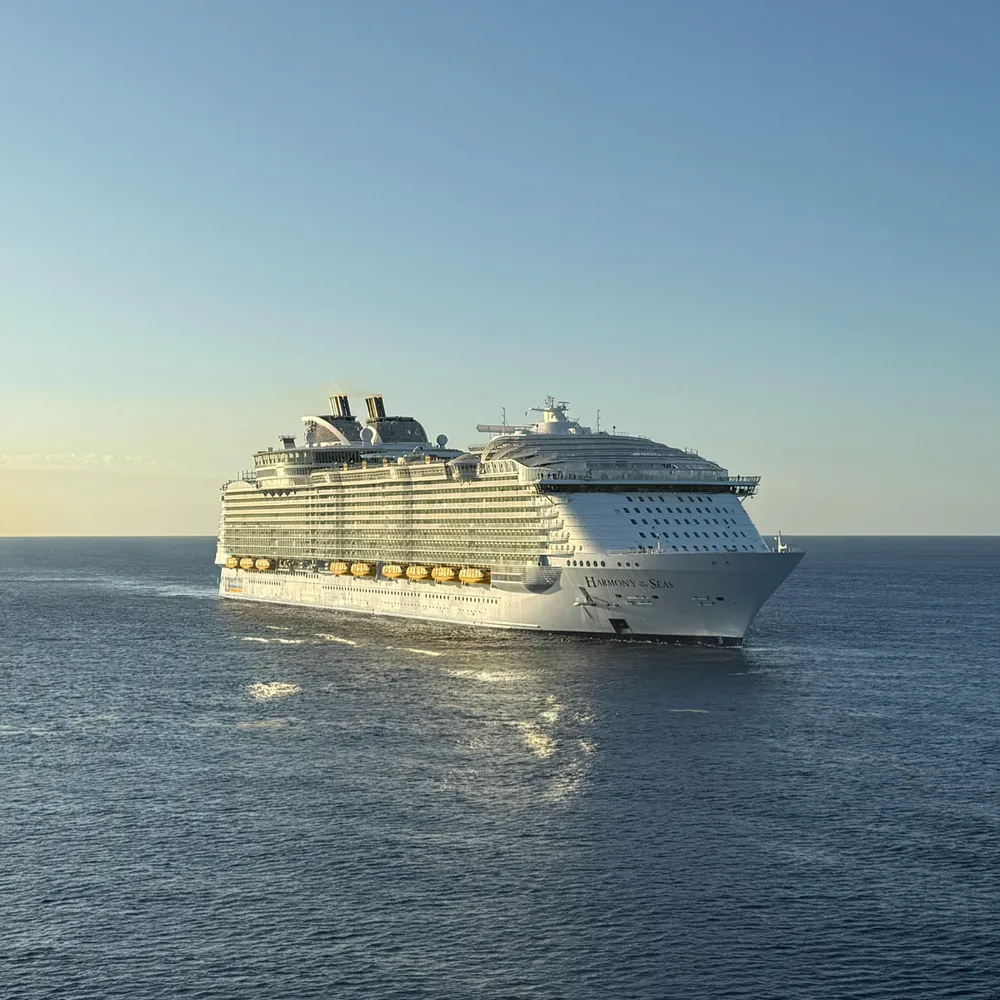
Southampton's docks do two things at once: move Britain's deep-sea containers and turn around the world's largest cruise ships. That gives the city a workwear economy with two collars — Class 3 and welding FR on the water side, pressed FOH uniform by the thousand on the passenger side — often within sight of each other.

2 ports
Boxes and passengers
Turnaround
A ship re-staffed in hours
Hot work
Marine FR in the yards
Cruise ship approaching port at dawn
Kit matched to the local economy Standards named, not implied Fast nationwide supply Embroidery & trade accounts

The local economy

What Southampton actually handles

The container terminal ranks among the UK's busiest, with the crane crews, straddle drivers and engineering that implies. The cruise terminals host turnaround days where thousands of passengers swap over and provisioning, cleaning and hospitality teams surge aboard — hotel operations at industrial tempo. Around the water: marine engineering and refit (from ship repair to high-end yacht work on the Solent), vehicle import/export handling, and a big-city base of construction, healthcare and university employment.

Kit by sector

The Southampton kit map

Local sectorThe kit that mattersThe spec detail
Container terminalClass 3 hi-vis, weather layersThe class logic quayside
Cruise turnaround teamsFOH uniform, housekeeping and galley kitFOH buying at fleet scale; the sector guide
Marine engineering & refitWelding FR, coveralls, confined-space kitEN ISO 11611 for hot work afloat
Yacht finishing & compositesType 5/6 disposables, FFP RPEFFP decoded for fairing and spray days
Construction & tradesSite baseline, waterproofsThe list

The detail that matters

Hot work on ships raises the FR stakes

Welding and cutting aboard a vessel is EN ISO 11611 territory with the difficulty turned up: confined spaces, painted steel, and escape routes that aren't a straight line. Marine yards specify FR coveralls in serious fabric weights, flame-resistant underlayers rather than synthetics (a polyester tee under FR is a hidden hazard), and glove/spat combinations for position welding. The 11612 letters matter here too — radiant and contact heat both feature in shipwork.

The cruise side is the same buying problem as a large hotel, times ten and against the clock: turnaround days need uniform depth — spare sizes on the rack, laundering rotations that survive a season, and garments from our FOH guide chosen because they still look pressed at hour twelve. Provisioning and stores crews bridge the two worlds: hi-vis and safety boots at the gangway, presentation standards inboard.
Supply

How we supply Southampton

Both collars
Welding FR and FOH uniform from one stock
Season depth
Cruise-scale sizing and rotation quantities
Trade accounts
Yards, agencies and operators on one account

Questions

Southampton kit FAQ

What FR clothing is needed for ship repair welding?

EN ISO 11611 welding garments in substantial fabric weights, worn over flame-resistant or natural-fibre underlayers — never synthetics — with leather gauntlets, spats for position work and the confined-space arrangements the yard specifies. Marine hot work is standard welding kit with the margins tightened.

What do cruise ship turnaround staff wear?

Shore-side turnaround teams wear their employer's uniform — housekeeping, galley and FOH kit at hotel scale — with hi-vis and safety footwear for anyone working the gangway, stores or vehicle decks. The buying challenge is depth: spare sizes and laundering rotation for teams that surge on turnaround days.

Do you supply Solent marine businesses?

Nationwide from stock express — welding FR, composite-work disposables, terminal hi-vis and hospitality uniform on one trade account with embroidery before dispatch. The two-collar order is normal here.

Kitting a team out here?

We supply nationwide from stock — send the roles and headcount and we'll come back with a kit list, embroidered.