iNeedWorkwear
Areas hub / Scunthorpe

Area guide · Scunthorpe

Workwear in Scunthorpe: dressed for hot metal.

Scunthorpe is one of the last places in Britain where primary steelmaking sets the town's rhythm — and its kit list. Around the works, an ecosystem of contractors, engineers and hauliers dresses to the same hot-metal rules, because the site induction doesn't care whose payroll you're on.
Code E
Molten iron splash rating
HRO
Outsoles for hot surfaces
One site
Sets the whole town's spec
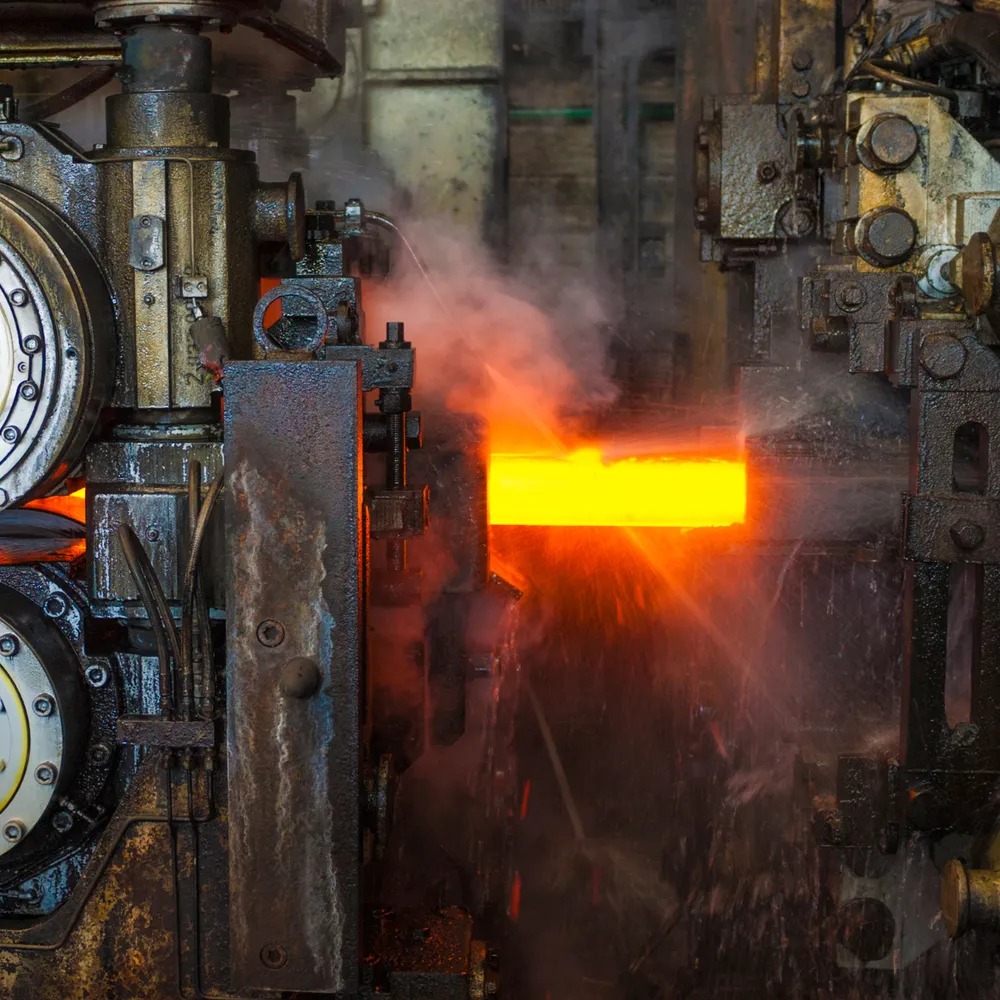
Red-hot steel bar in a rolling mill
Kit matched to the local economy Standards named, not implied Fast nationwide supply Embroidery & trade accounts

The local economy

What Scunthorpe actually runs on

The steelworks dominates — one of the UK's last integrated sites, rolling the long products (including rail) the country's infrastructure runs on — and the jobs radiate outward: mechanical and electrical contractors permanently embedded on site, refractory specialists, fabricators, industrial cleaners and the haulage moving product out. Beyond the works, North Lincolnshire adds food processing, agriculture and the logistics pull of the nearby Humber ports.

Kit here divides sharply: hot-metal zones with their own physics, and everything else. The line between them is drawn by the works pass.

Kit by industry

The Scunthorpe kit map

Local industryThe kit that mattersThe spec detail
Iron & steelmaking zonesMolten-metal FR, radiant-heat layersEN ISO 11612 codes D/Ethe letters decoded
Works contractors (M&E, refractory)FR coveralls, HRO-soled S3 bootsHRO and the boot codes
Fabrication & maintenanceWelding kit, heat-rated glovesEN 407 decoded
Steel haulage & logisticsHi-vis, cut gloves for load securingCut letters for strapping and edges
Food & agricultureHygiene whites, wellingtonsThe audit wardrobe

The detail that matters

The letters on the FR label are the job

Generic FR is certified for flash fire; a steelworks needs the molten-metal letters: EN ISO 11612 code E for molten iron splash, code D where aluminium is handled, with radiant-heat performance (code C) at meaningful levels for furnace-face work. Fabric matters as much as certification — heavy wool-rich and treated-cotton constructions shed metal splash; thin synthetics, even FR ones, are the wrong tool near a ladle.

Underfoot, hot surfaces make HRO outsoles (heat-resistant to 300 °C contact) part of the boot spec, alongside the S3 baseline — the boot-code decoder covers where HRO appears on the label. Contractor firms kitting for works shutdowns should read the site's clothing standard first: it's specific, and it's enforced at the gate.

Supply

How we supply Scunthorpe

Hot-metal FR
Code D/E garments and HRO footwear from stock
Shutdown scale
Contractor crews kitted by the size run
Trade accounts
Embedded contractors on rolling supply

Questions

Scunthorpe kit FAQ

What FR clothing is needed for steelworks?

EN ISO 11612 garments carrying the molten-metal codes — E for iron, D for aluminium — with radiant-heat (code C) performance for furnace-adjacent work, in fabric weights that actually shed splash. Standard flash-fire FR without the letters doesn't meet a hot-metal zone's requirement.

What does HRO mean on safety boots?

Heat-resistant outsole — tested for contact with surfaces at 300 °C for one minute. It appears alongside the main safety class (commonly S3 HRO) and matters anywhere floors, slag or fresh product run hot underfoot.

Can you kit out contractor crews for the works?

Yes — nationwide from stock, with molten-metal FR, HRO-soled boots and heat gloves supplied by the size run and embroidered per firm. Send the site clothing standard and the crew list; matching kit to an induction document is the everyday job.

Kitting a team out here?

We supply nationwide from stock — send the roles and headcount and we'll come back with a kit list, embroidered.