iNeedWorkwear
Areas hub / Coventry

Area guide · Coventry

Workwear in Coventry: the EV transition, dressed.

Coventry has rebuilt itself around what comes after the engine: EV development, battery research and the R&D arms of half the motor industry. The quiet consequence for workwear is voltage — high-voltage packs are turning garages and test shops into places where arc-flash ratings, once a substation concern, appear on the clothing list.
800 V
Pack voltages in modern EVs
IEC 61482
The arc rating now in garages
R&D dense
Prototype shops everywhere
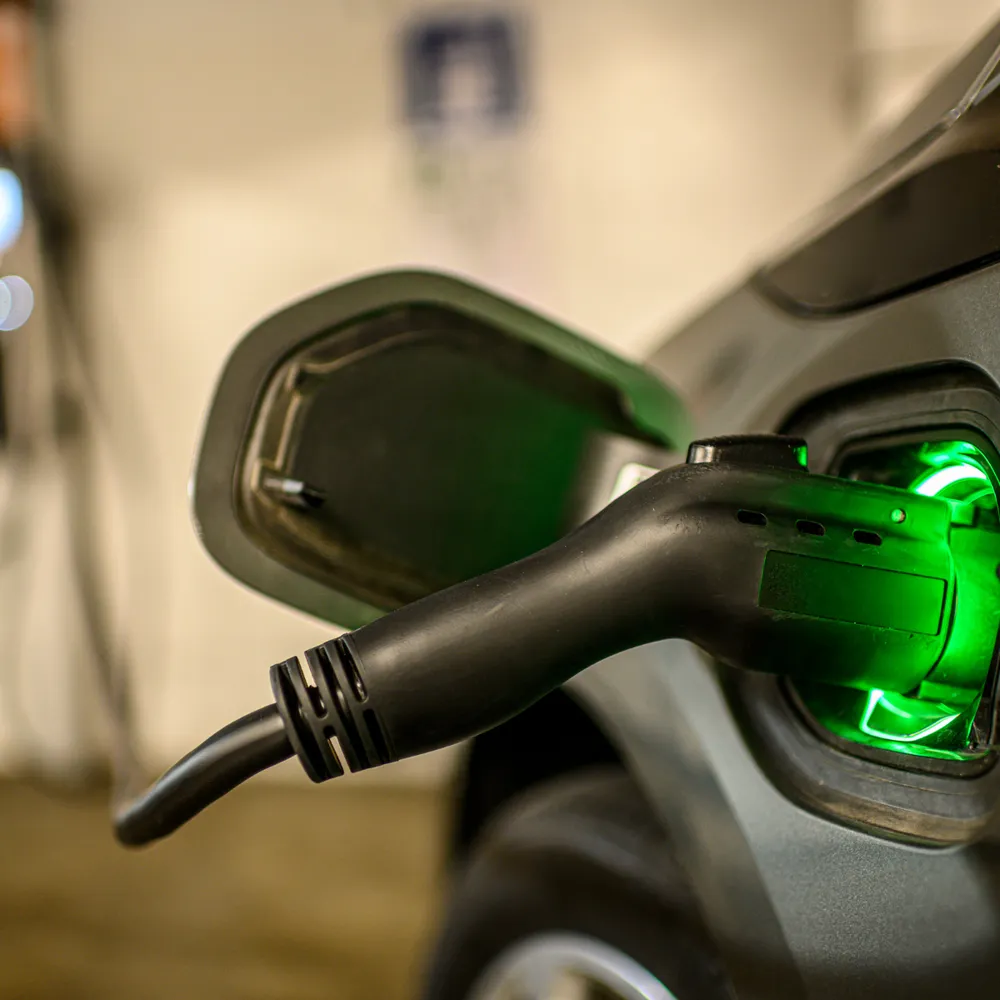
Electric vehicle charging with a green-lit port
Kit matched to the local economy Standards named, not implied Fast nationwide supply Embroidery & trade accounts

The local economy

What Coventry actually works on

The badge factories mostly left; the engineering brains stayed. Coventry and its ring hold vehicle R&D centres, the UK Battery Industrialisation Centre, EV startups, taxi manufacture and a dense supply chain of prototype, test and niche-vehicle shops. Around that: logistics parks on every motorway junction, two universities' worth of estates and construction, and the everyday trades of a big city.

The kit story is transition: the mechanical wardrobe (coveralls, boots, nitrile) meeting the electrical one (arc ratings, insulating gloves, ESD) inside the same workshop — often on the same task card.

Kit by industry

The Coventry kit map

Local industryThe kit that mattersThe spec detail
EV & battery workshopsArc-rated garments for HV tasksIEC 61482arc flash decoded
Battery lines & labsESD garments and footwear where zonedEN 1149-5 explained
Vehicle R&D & prototype shopsFitted workwear, no-scratch fasteningsPaint-safe rules — covered zips, no exposed studs
Logistics beltHi-vis, S1P trainers, layered kitKit by zone
Construction & fit-outClass 2 hi-vis, helmets, S3 bootsThe baseline

The detail that matters

When the garage inherits the substation's standard

A high-voltage battery pack can deliver an arc fault, and an arc fault burns through ordinary workwear in milliseconds — which is why serious EV workshops now specify IEC 61482 arc-rated garments for live or potentially-live HV tasks, alongside the insulating gloves and face protection the electrical trade has always known. The practical shape: mechanics keep their everyday fitted workwear, and the HV-authorised technicians hold an arc-rated layer for the tasks their authorisation covers.

It pairs with the opposite discipline on battery production and lab work: static-dissipative kit to protect the cells, not the wearer. Same building, two electrical dress codes — the task card tells you which applies.

Supply

How we supply Coventry

Both wardrobes
Arc-rated and ESD kit from the same stock
From stock
Workshop, logistics and site kit express
Trade accounts
R&D firms and garages on one account

Questions

Coventry kit FAQ

Do EV mechanics need arc-flash clothing?

For high-voltage tasks, increasingly yes — workshops working on live or potentially-live HV systems specify IEC 61482 arc-rated garments for authorised technicians, with insulating gloves and face protection per the task. Routine mechanical work on an isolated vehicle stays in ordinary workwear; the HV authorisation boundary is where the wardrobe changes.

What's the difference between arc-rated and antistatic clothing?

Direction of protection. Arc-rated (IEC 61482) protects the wearer from the energy of an electrical arc. Antistatic (EN 1149-5) protects the environment from the wearer, dissipating static that could ignite vapour or damage sensitive electronics. EV work can demand either — task and zone decide.

Do you supply Coventry's automotive companies?

Nationwide from stock, express — R&D shops, garages and their logistics neighbours order fitted workwear, arc-rated layers, ESD kit and hi-vis through one trade account, embroidered before dispatch.

Kitting a team out here?

We supply nationwide from stock — send the roles and headcount and we'll come back with a kit list, embroidered.