Area guide · Port Talbot
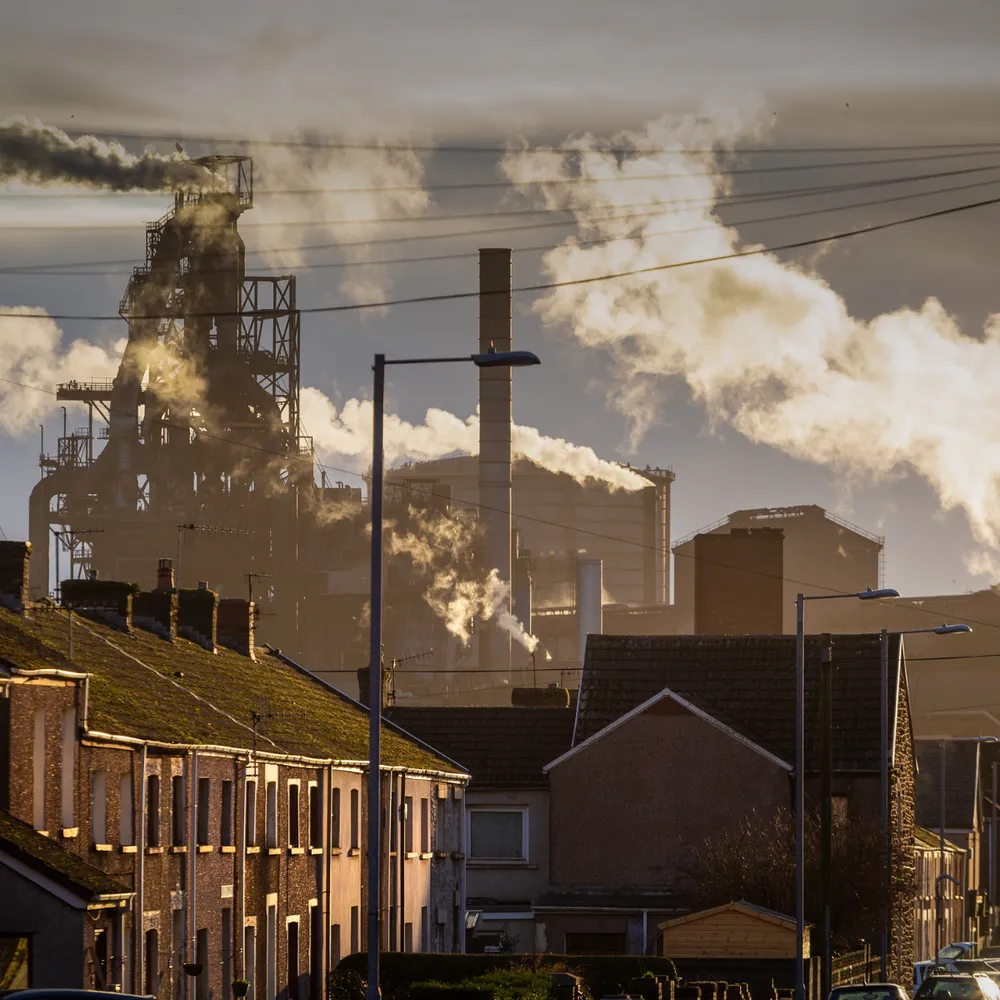
Port Talbot's skyline has meant steel for a century, and the works is now living through the industry's biggest change of era: the move from blast furnaces to electric arc steelmaking. For workwear that means two kit lists overlapping — the hot-metal wardrobe the town knows by heart, and the construction-and-electrical one the transition brings with it.
The local economy
The steelworks remains the anchor employer as it re-tools: hot-end operations giving way to electric arc steelmaking, with a multi-year construction programme putting civils crews, steel erectors, M&E contractors and commissioning engineers inside the fence alongside steelworkers. Around the works: the deep-water port and haulage moving material, engineering and fabrication firms along the M4, and the trades and services of the Afan valley towns. Contractor badges outnumber works badges some months — the wardrobe follows.
Kit by phase
| Work | The kit that matters | The spec detail |
|---|---|---|
| Hot-end steel operations | Molten-metal FR, radiant layers, HRO boots | EN ISO 11612 code E — decoded |
| EAF & electrical work | Arc-rated garments for switching zones | IEC 61482 explained |
| Transition construction | Class 2–3 hi-vis, helmets, S3 boots | The baseline inside a live works |
| Maintenance & fabrication | Welding FR, heat gloves | EN 407 levels |
| Port & haulage | All-weather hi-vis, grip footwear | Salt-air garment care |
The detail that matters
While hot metal runs, nothing about the classic spec relaxes: EN ISO 11612 with code E molten-iron performance, radiant-heat capability, heavy shed-splash fabrics and HRO-soled boots (the codes) stay the price of entry to the hot end. The arc-furnace era shifts the emphasis rather than erasing it — molten steel is still molten steel — but adds a serious electrical dimension: high-power switching and furnace electrics put arc-rated clothing on lists where it never appeared before.
And through the build years, the works is simultaneously a construction site inside an operating plant — meaning contractors carry both the site baseline and whatever hot-zone or electrical spec their permit adds. Buying to the induction document, crew by crew, is the whole game here.
Supply
Questions
EN ISO 11612 garments with molten-metal performance — code E for iron — plus radiant-heat capability and heavy splash-shedding fabrics, with HRO-soled S3 boots underfoot. The hot end's requirements don't soften during the transition; the works clothing standard remains the authority.
It adds an electrical layer rather than replacing the thermal one: high-power furnace electrics and switching bring IEC 61482 arc-rated clothing into scope for authorised electrical work, while molten-steel zones keep their traditional FR and heat specifications. Task and permit decide which applies.
Yes — the dual list is our normal request from transition-phase sites: construction baseline (hi-vis, helmets, S3) plus the hot-zone or electrical additions each permit specifies, supplied by size run and embroidered per firm on one account.
We supply nationwide from stock — send the roles and headcount and we'll come back with a kit list, embroidered.