iNeedWorkwear
Areas hub / Daventry

Area guide · Daventry

Workwear in Daventry: the rail-freight shed capital.

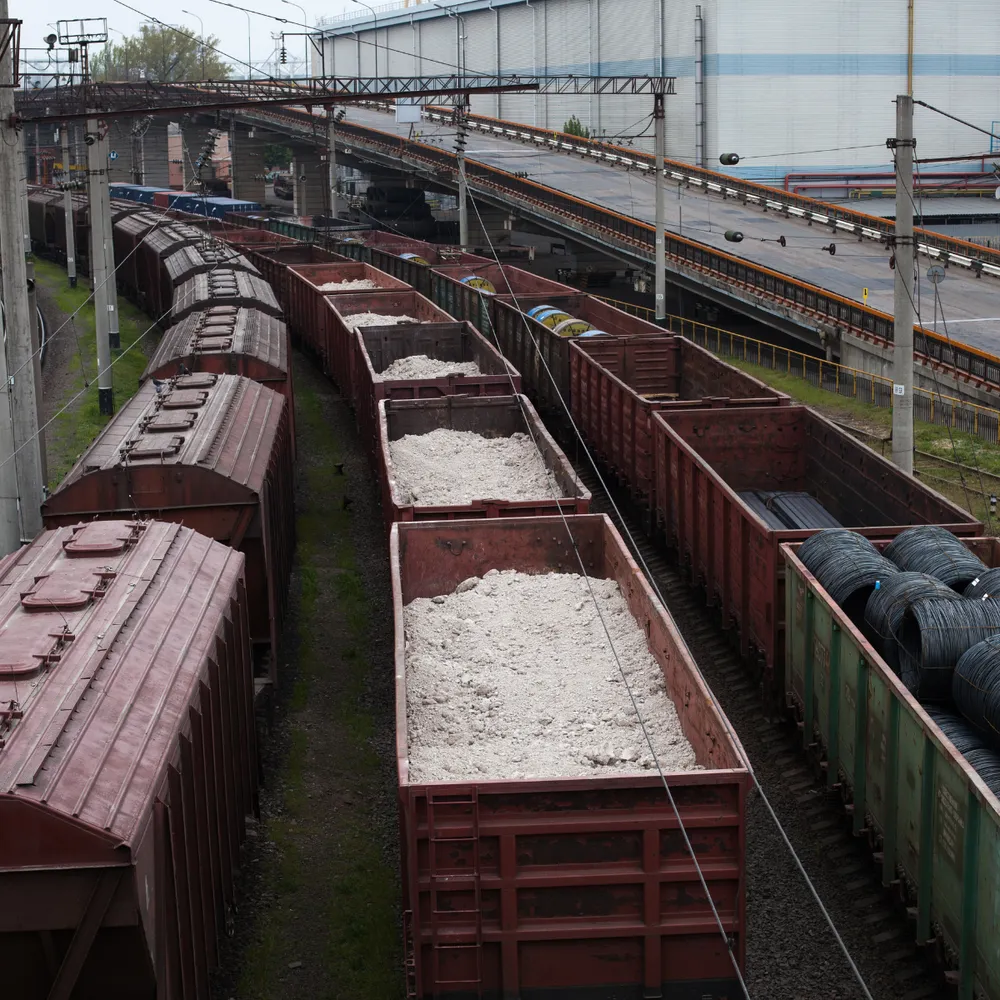
Daventry is what a town looks like when logistics is the primary industry rather than a sideline: the DIRFT rail-freight terminal and its satellite parks employ thousands across sheds that run from ambient to deep-frozen. The kit question here is rarely which trade — it's which zone.

DIRFT
Rail freight at national scale
4 zones
Yard, ambient, chilled, frozen
−25 °C
Where EN 342 takes over
Rail freight wagons in a terminal yard
Kit matched to the local economy Standards named, not implied Fast nationwide supply Embroidery & trade accounts

The local economy

What Daventry actually moves

The Daventry International Rail Freight Terminal is one of Europe's major intermodal hubs — container trains from the ports feeding a ring of national distribution centres for supermarkets, parcel networks and retailers. The work splits into repeating layers: yard operations (shunting, container handling, gatehouse), shed floors from ambient to frozen, engineering and maintenance keeping automation and fleets alive, and the drivers connecting it all. It's the most zone-driven workwear economy in England, which makes it the clearest place to explain zone-driven buying.

Kit by zone

The Daventry kit map

ZoneThe kit that mattersThe spec detail
Yard & rail interfaceClass 3 hi-vis, waterproof layers, S3 bootsWhy Class 3 among moving containers
Ambient pick floorsBreathable kit, cushioned S1P trainersDistance work — the codes
Chilled sections (0–5 °C)Thermal mid-layers, lined glovesLayering beats one heavy coat for in-and-out work
Frozen chambersEN 342 suits, CI-rated bootsThe cold ratings decoded
Engineering & maintenanceFitted kit, cut gloves, arc awareness at panelsEN 388; electrical rules per site

The detail that matters

The chilled/frozen boundary is a spec boundary

Chilled work (roughly 0–5 °C) and frozen work (−18 °C and below) look adjacent on the thermometer and are nothing alike on the body. Chilled sections are handled with layering — thermal base, fleece mid, moving in and out freely. Frozen chambers need certified cold-store clothing: EN 342-rated suits whose insulation values are measured, boots with CI (cold-insulated) soles, and — the part sites underplan — work-rest cycles and drying arrangements, because a damp garment insulates like a wet newspaper. A freezer picker in chilled-section kit isn't tough; they're at risk, and the productivity numbers show it before the health ones do.

Everything else in town follows the logistics playbook — with the local note that DIRFT's rail interface puts some roles under railway-adjacent rules their employer will specify.
Supply

How we supply Daventry

Zone kits
Per-zone lists priced per head, not per item
From stock
EN 342 suits to S1P trainers, express
Trade accounts
3PLs flex headcount without re-quoting

Questions

Daventry kit FAQ

What workwear is needed for freezer warehouse work?

EN 342-rated cold-store suits (measured insulation, not just 'padded'), CI-rated safety boots, insulated gloves with grip, and head coverage — plus sensible work-rest cycles and somewhere to dry kit between shifts. Chilled-section layering does not stretch to −25 °C chambers.

What's the difference between chilled and frozen workwear?

Chilled sections (around 0–5 °C) are managed with layering: thermal base, insulating mid, standard outer. Frozen chambers (−18 °C and below) need certified EN 342 clothing with measured insulation values and cold-rated footwear. The boundary is a specification change, not a thicker jumper.

Can you kit out a whole distribution centre?

Yes — per-zone kit lists (yard, ambient, chilled, frozen, engineering) priced per head, shipped from stock nationwide and embroidered per employer. Agency-heavy sites usually hold a size-run buffer so new starters are dressed on day one.

Kitting a team out here?

We supply nationwide from stock — send the roles and headcount and we'll come back with a kit list, embroidered.