iNeedWorkwear
Sectors hub / Hospitality

Sector guide · Hospitality & catering

Hospitality workwear: from the pass to the front door.

A kitchen at service is a small industrial site: open flame, hot fat, wet floors, knives. Chef whites look traditional, but every detail is engineering. Front of house has a different brief — look sharp at hour one and hour ten. Here's both wardrobes, done properly.

Double-breasted
A burn shield you can flip
Cotton-rich
Heat + steam demand it
SR soles
Wet floors are the top hazard
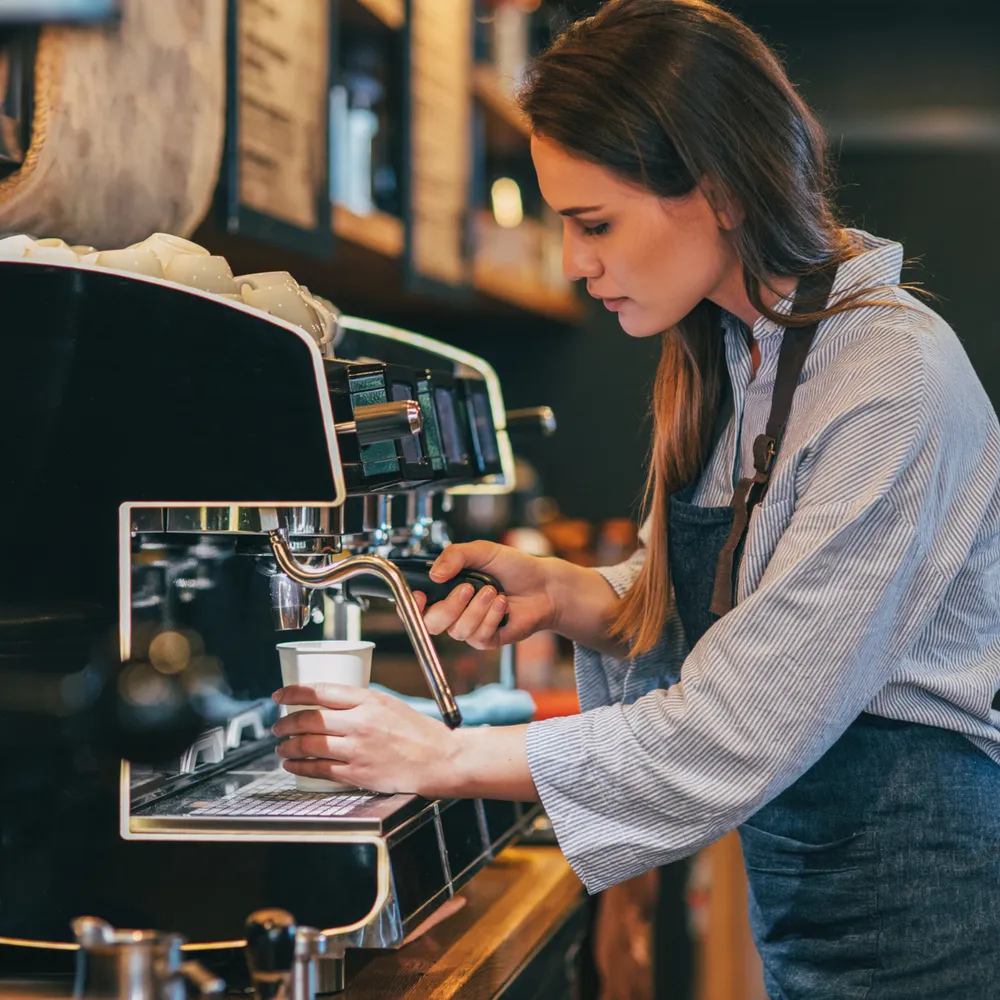
Barista in an apron preparing coffee at an espresso machine
Kit lists by sector Standards named, not implied Certified stock to match Embroidery & trade accounts

The whites

Every detail of a chef jacket is doing a job

The double-breasted front is a reversible splash shield — caught by hot fat, you re-button to the clean, dry layer. The cotton-rich fabric insulates against radiant heat and steam where thin polyester would conduct it (and melt); the knotted or capped buttons survive industrial laundering that shears plastic ones; long sleeves exist for the moment an oven shelf meets a forearm. Modern cuts add vented backs and lighter weaves because 40 °C at the pass is the other occupational hazard.

Below the jacket: chef trousers loose enough to pull away from a scald rather than press it in, and an apron chosen by station rather than habit — that's the table below.

Aprons

Aprons by station

StationApronWhy
Grill & fryHeavyweight cotton bib, full lengthRadiant heat and fat spatter — coverage first
Pass & platingWaist apron over whitesSpeed and pocket access; splash risk is low
Prep & butcheryHeavy bib, wipe-clean or leather-front optionSustained mess, sharp tools, hose-down cleaning
Pot wash / plongeWaterproof bibStanding spray — cotton soaks, PVC sheds
Barista & barDenim or waxed waist apron, brandedFront-of-house visible: part uniform, part protection

Underfoot

The floor is the kitchen's biggest hazard

More kitchen injuries come from wet, greasy floors than from burns or blades — which makes footwear the highest-value spec on this page. The brief: slip-rated sole (the SR mark under the current standard), closed, liquid-shedding upper against dropped pans and hot spills, and comfort for a double shift on tile. Kitchens with real impact risk — kegs, crates, goods-in — step up to an S2 washable safety shoe: water-resistant upper, toe cap, same slip rating.

Front of house

FOH uniform: three rules that survive service

Dark + washable
Service marks show on pale poly-cotton by table three — dark, hot-washable fabrics stay presentable
Layered, not suited
Branded polo or shirt + apron + optional waistcoat flexes from café to fine dining
Embroidered, not printed
Logos on FOH kit take hundreds of washes — stitching outlasts print
Chef whites and hygiene laundering in a real town economy: Harrogate. Hot-works clothing in kitchens follows the same fabric logic as industry — the FR washing guide explains why synthetics and heat don't mix.

Questions

Hospitality kit FAQ

Why are chef jackets double-breasted?

The double front is a working feature: two layers of cotton insulate the chest against heat and splash, and if the outer layer catches hot fat or sauce the jacket re-buttons to present the clean, dry inner layer. It's a burn shield you can flip mid-service.

What shoes should kitchen staff wear?

Closed, liquid-shedding uppers with a slip-rated (SR) sole and real cushioning — wet, greasy floors cause more kitchen injuries than burns do. Where kegs, crates or goods-in add impact risk, a washable S2 safety shoe adds a toe cap to the same spec.

Can chef whites be any colour?

Whites are traditional because they show contamination honestly and take boil washing, but blacks and greys are now common front-facing kitchens. The non-negotiables are the fabric and construction — cotton-rich, double-breasted, launderable hot — not the colour.

What aprons do different kitchen stations need?

Match the apron to the station's hazard: heavyweight full-length cotton for grill and fry, waterproof bibs for pot wash, wipe-clean heavy bibs for prep and butchery, and lighter waist aprons at the pass and front of house where speed and pockets matter more than coverage.
Kitting out a team?

Send the headcount and the roles — we'll come back with a kit list, embroidery options and trade-account pricing.