iNeedWorkwear
Sectors hub / Warehousing

Sector guide · Warehousing & logistics

Warehouse & logistics workwear, zone by zone.

A distribution centre isn't one environment — it's four. The picker on the mezzanine, the loader on the dock, the operative in the minus-25 chamber and the shunter in the yard are dressed for different jobs, and treating them as one "warehouse kit" is how firms end up with cold pickers and sweating loaders.
4 zones
4 different kits
S1P
The warehouse boot default
−25 °C
Cold store is its own world
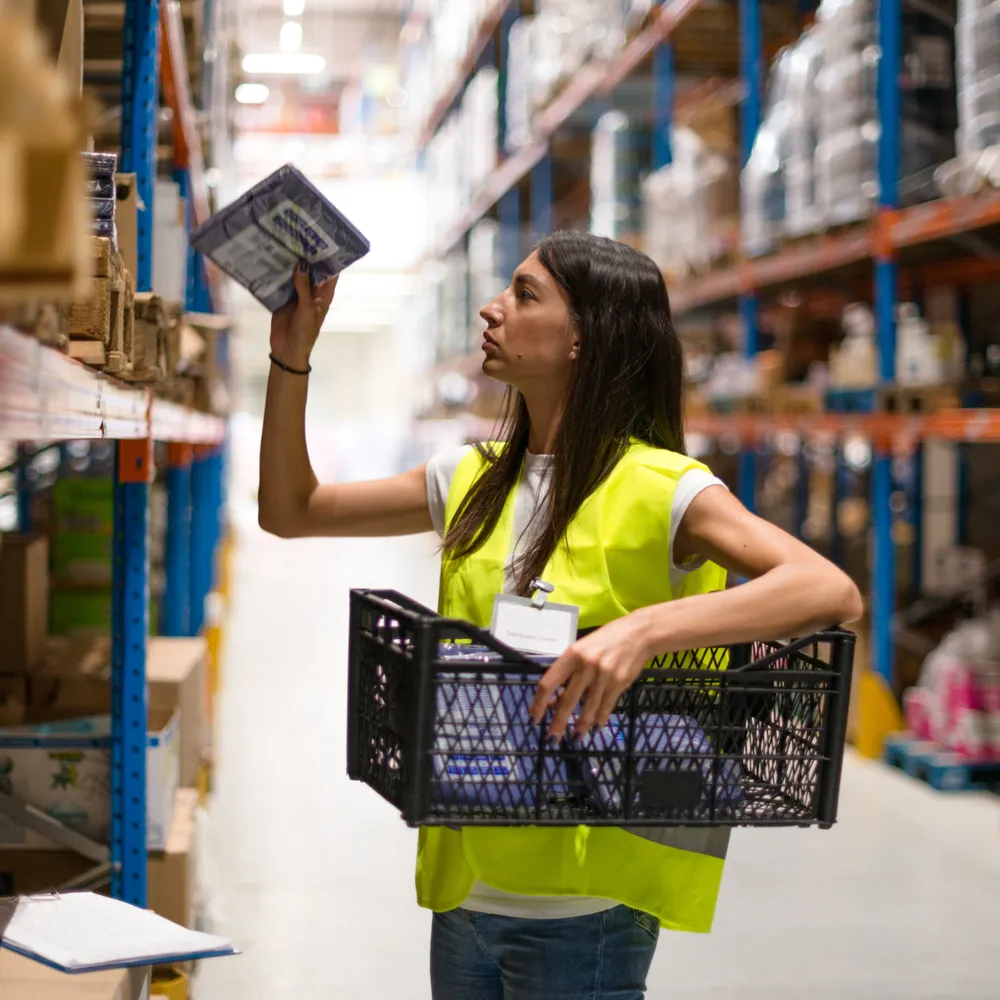
Warehouse picker in a hi-vis vest working a racking aisle
Kit lists by sector Standards named, not implied Certified stock to match Embroidery & trade accounts

The zones

Kit by zone

Where someone spends their shift decides what they wear — the table is the guide in miniature.

ZoneHi-visFootwearLayers & extras
Ambient picking & packingClass 1–2 vest where MHE operatesS1P safety trainer — light, dry floors, stray fixingsPolo + sweatshirt; dexterity gloves for cartons
Loading dockClass 2 — vehicles and open doorsS3 if docks open to weatherWindproof mid-layer; dock plates get wet
Cold store (chill & freeze)Hi-vis integrated in the suitCI-rated insulated bootEN 342 coldstore suit, lined gloves, beanie under any bump cap
Yard & shuntingClass 3 — moving HGVs, all weathersS3 minimumWaterproof Class 3 jacket doubles as the warm layer

The footwear call

Trainers beat boots — until they don't

The biggest comfort win in warehousing this decade is the S1P safety trainer: same certified toe cap and midsole as a boot, a fraction of the weight, and pickers walking 15 km a shift feel every gram. On dry internal floors it's the right call, and fighting it on tradition costs you the workforce's goodwill.

It stops being the right call where water, weather or rough ground enter: open docks, yards, waste areas. That's S3 territory — water-resistant upper, cleated sole. The honest setup for most DCs is trainers inside, boots for the yard-facing roles, and no one-size policy.

The cold chain

Cold store kit is safety kit, not comfort kit

At chill temperatures (0–5 °C) lined trousers, a thermal base layer and insulated gloves keep a full shift workable. In a freezer chamber at −18 to −25 °C, clothing is the difference between a safe rotation and cold stress: a one- or two-piece EN 342-rated coldstore suit, insulated CI-rated footwear, lined waterproof gloves and covered ears are the working minimum, with wind-chill from evaporator fans making the effective temperature lower than the dial says.

Two details that get missed: sweat is the enemy — over-dressed workers who sweat then chill are colder than under-dressed ones, which is why suits are sized for a base layer, not a jumper pile; and door transitions — staff moving chamber-to-ambient repeatedly need layers they can vent, or condensation soaks the insulation from inside.

Fleet notes

What logistics employers standardise

Vest at the door
Hi-vis on = anywhere MHE runs; the rule survives because it's simple
Boxed gloves
Carton-handling gloves are consumables — stock them like tape
Named cold-store kit
EN 342 suits are personal issue; shared suits end up soaked and unworn
See this sector against a real town: Corby — the UK's distribution triangle. Boot detail lives at the footwear hub; glove levels at the EN 388 decoder.

Questions

Warehouse kit FAQ

What hi-vis class do warehouse workers need?

Indoors around forklifts and MHE, Class 1 or 2 is the norm — many operations simply mandate a Class 2 vest everywhere past the door because one simple rule beats zone-by-zone policing. Yard and shunting roles around HGVs step up to Class 3.

Are safety trainers OK for warehouse work?

Yes — an S1P safety trainer carries the same certified toe cap and midsole as a boot and is the comfortable default for pickers on dry internal floors. Roles that face weather, water or rough ground (docks, yards) should be in S3 boots instead.

What do you wear in a cold store?

For freezer work at −18 to −25 °C: an EN 342-rated coldstore suit over a wicking base layer, insulated CI-rated safety boots, lined gloves and head covering. At chill temperatures, lined trousers, a thermal base layer and insulated gloves usually carry a shift.

Why do cold store workers get too cold even in rated suits?

Usually sweat or fit: over-layering under the suit causes sweating, and damp insulation loses its warmth; suits also need sizing that traps an air layer rather than compressing it. Wind-chill from evaporator fans adds a real effect the thermometer doesn't show.

Kitting out a team?

Send the headcount and the roles — we'll come back with a kit list, embroidery options and trade-account pricing.