iNeedWorkwear
Roles hub / Plastering

Role guide · Plastering

What plasterers actually wear.

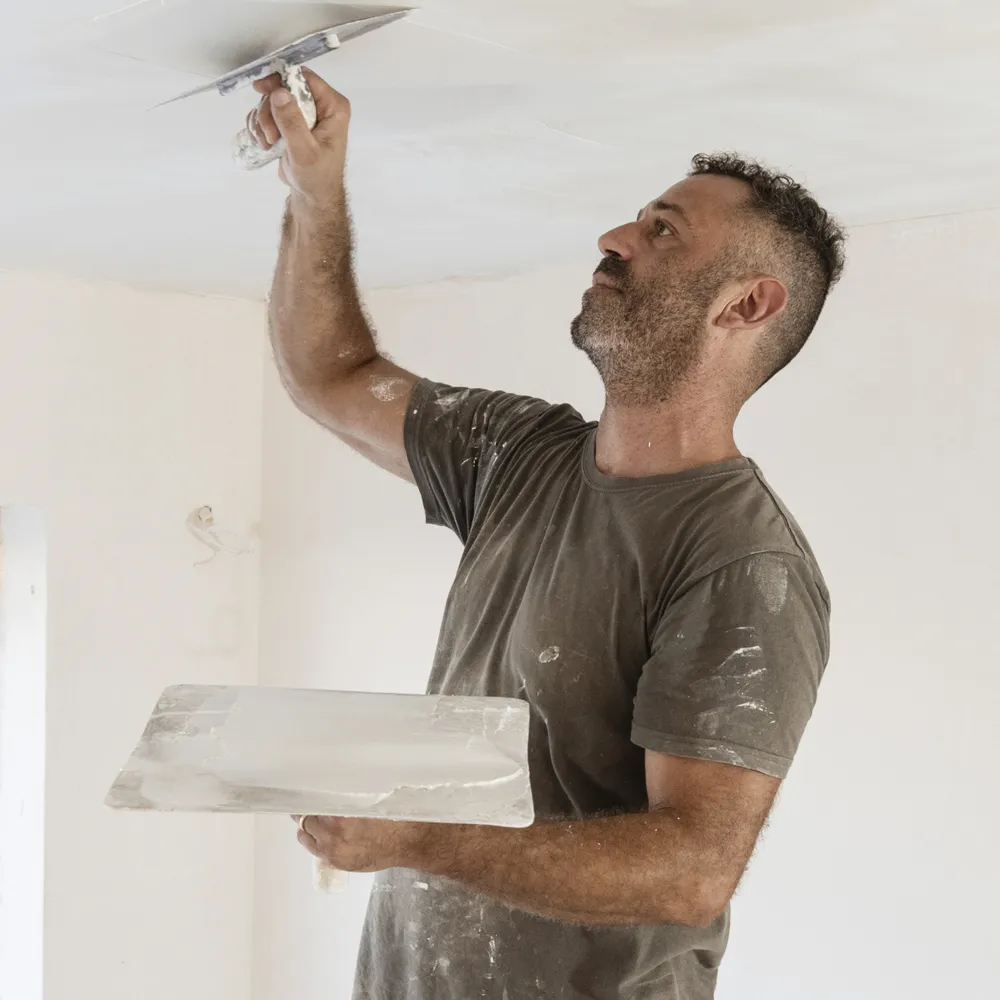
Plastering is the wet trade performed at arm's length overhead: splash lands on forearms, face and hair all day, wet plaster is mildly caustic until it cures, and the finish stage swaps wet hazards for airborne ones the moment the sanding pole comes out.

Overhead
Splash falls on the plasterer
Alkaline
Wet plaster irritates skin & eyes
Then dust
Sanding day changes the kit
Plasterer skimming a ceiling with a trowel and hawk
Written from the job backwards Standards named per item Stocked and embroidered Trade accounts

The job

Wet phase, dry phase

Skim days are splash management: plaster is alkaline enough to dry and crack skin (and genuinely hurt eyes), so the working kit is eye protection for ceiling work (glasses at minimum, and actually worn — ceiling splash is how plasterers meet eye-wash stations), long sleeves that shed rather than soak, nitrile-dipped gloves for mixing (bare hands and plaster end in dermatitis — the cement skin rule's gentler cousin), and trousers with knee protection for floor-level beads and skirting lines. Whites are the trade's tradition for the same reason as painters': the material decorates you regardless, and whites wear it honestly.

Sanding and prep days flip the hazard airborne: FFP2 minimum, FFP3 for machine sanding — modern finishing sanders generate serious fine dust, and mixed backgrounds (old walls) argue for the higher rating. Board days add handling: cut-aware gloves for board edges and a mate or a lifter for ceilings, because boards eat wrists. The wash-out habit finishes the trade's kit story: plaster-caked clothing goes stiff and abrasive, so rotation depth and same-day rinsing keep the wardrobe workable — and the van's drying arrangements earn their keep every winter.
The list

The plasterer's kit map

ItemThe specWhy
Eye protectionWorn for ceilings, not carriedAlkaline splash from above finds eyes
GlovesNitrile-dipped for mix & applyPlaster dermatitis is the trade's hand tax
TrousersStretch, knee-pad pockets, whites traditionBeads and skirting are floor-level work
RPEFFP2; FFP3 for machine sandingFine finishing dust, often on old backgrounds
Rotation whitesMultiple sets, rinsed same-dayCured plaster turns clothing to sandpaper

Questions

Plastering FAQ

Why do plasterers wear white?

The same logic as painters: the material lands on the plasterer all day regardless, and whites carry it honestly while signalling the clean-trade tradition. Practically, the kit that matters is what the whites carry — knee-pad pockets, stretch for overhead reach, and fabric that rinses out same-day.

Is plaster harmful to skin?

Wet plaster and cement-based backgrounds are alkaline — prolonged contact dries, cracks and can burn skin, and repeated exposure drives dermatitis. Nitrile-dipped gloves for mixing and application, washing splash off promptly and moisturising after shifts is the trade's hand-care routine.

What mask do you need for sanding plaster?

FFP2 as the floor for hand sanding, FFP3 for machine and pole sanding where fine dust clouds form — and treat old backgrounds with respect, since pre-modern walls can hold surprises. Extraction-equipped sanders reduce the dose but rarely remove the mask requirement.

Kit the crew.

Everything in this guide is stocked, embroiderable and priced for teams — send the headcount.