iNeedWorkwear
Roles hub / Paramedics

Role guide · Ambulance & response

What paramedics actually wear (and buy).

Ambulance uniform is issued kit — the green two-piece, the hi-vis, the clinical PPE all arrive from stores — which makes this trade's buying conversation unusually specific: it's almost entirely about boots, base layers and the pieces services leave to personal choice. Here's the honest map of issued versus bought.

Issued
Uniform and PPE come from stores
Boots
The big personal decision
12 hrs
Shifts that test every seam
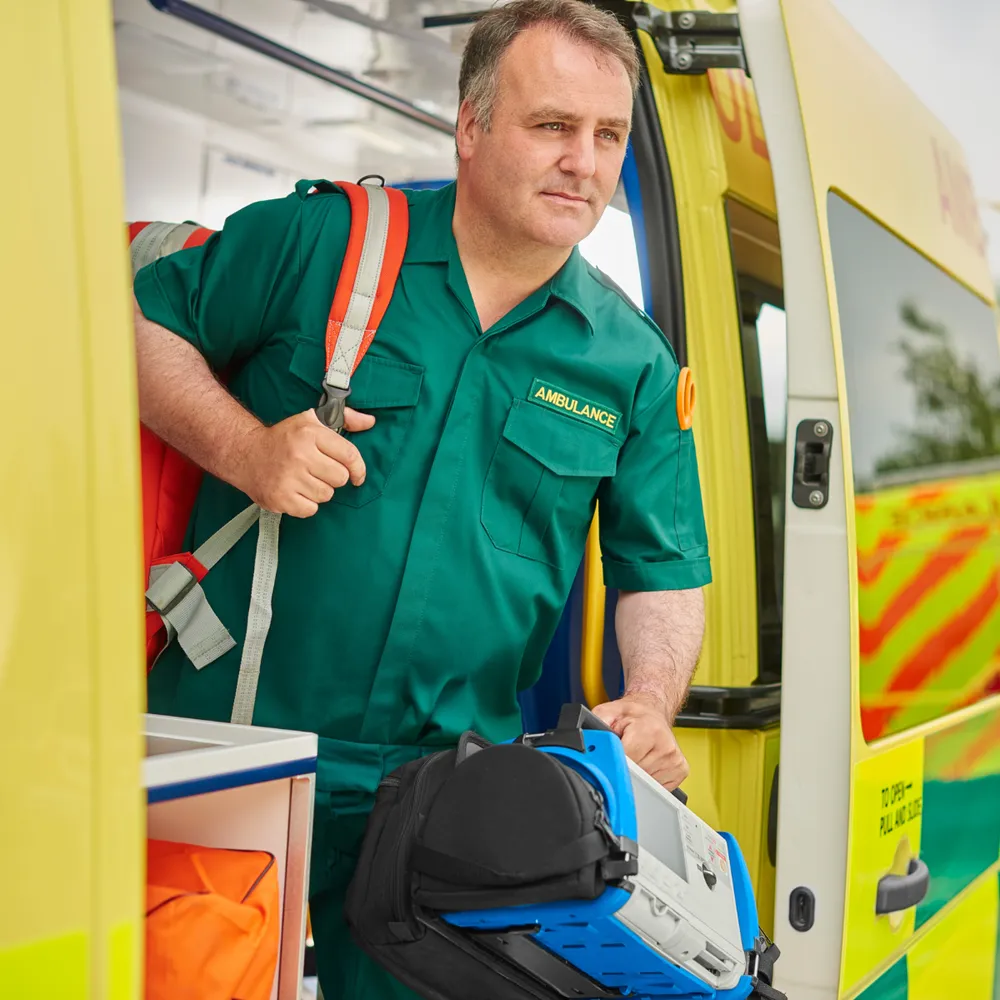
Paramedic in a green uniform unloading kit from the back of an ambulance
Written from the job backwards Standards named per item Stocked and embroidered Trade accounts

The job

Issued kit, personal margins

What arrives from stores: the service two-piece (green remains the UK convention), hi-vis to responder spec, clinical gloves and RPE per policy, and helmets for HART and specialist roles. That layer is policy, not shopping. What crews choose — within each service's uniform standard — is where comfort lives: safety boots above all (the forums are right: 12-hour shifts, kneeling on tarmac, lifting in stairwells and kerbside weather make boots the purchase that matters — waterproof, S3-or-equivalent, genuinely cushioned, side-zip favoured for on-station speed, and the last question applies fully), base layers for winter standbys, and job-specific extras like kneeling comfort — a kneeling mat or trouser inserts spare the joints that tarmac and A&E floors punish (the knee logic).

The wider responder world buys more of its own: event medics, community first responders and private ambulance staff often self-equip within employer specs — green two-piece kit, responder hi-vis and boots bought directly — and the care-adjacent hygiene rules (laundering, bare-below-elbows in clinical contact) travel with the work. One honest boundary: blue-light identity is regulated territory — buy the kit your role and employer actually authorise, embroidered accordingly, and leave 'PARAMEDIC' backprints to those registered for them.
The split

Issued vs personal

ItemUsual positionThe note
Uniform two-piece & hi-visService-issuedPolicy kit — replaced through stores
Clinical PPEIssued per policyGloves, masks, eye protection on the vehicle
BootsPersonal within specTHE purchase — cushioning, waterproof, side-zip
Base layers & socksPersonalWinter standbys are won by the underlayer
Event/CFR kitOften self-equipped to employer specAuthorised identity only — titles are protected

Questions

Responder FAQ

Do paramedics buy their own boots?

Commonly yes, within the service's specification — and it's the personal purchase the job cares most about: waterproof safety boots with real cushioning for 12-hour shifts, side-zips for speed, tested against kneeling and stairwell work. Services typically issue or subsidise some options; experienced crews spend up willingly.

Why do UK paramedics wear green?

Convention consolidated over decades — high-recognition ambulance green distinguishes clinical responders from police and fire at scene, and services standardised around it. Individual services set exact shades and garments; the identity layer (titles, epaulettes) is regulated and issued, not bought.

What should event medics wear?

Their employer's specified uniform — typically green two-piece or polo-based kit with responder hi-vis and personal boots — with authorisation governing any clinical titles displayed. Weather layering matters double at outdoor events: medical cover means standing by in whatever the sky does.

Kit the crew.

Everything in this guide is stocked, embroiderable and priced for teams — send the headcount.