iNeedWorkwear
Roles hub / HGV

Role guide · HGV driving

What HGV drivers actually wear.

An HGV driver's workplace is a heated cab attached to a series of other people's sites — each with its own PPE rules at the gate. The kit list is comfort for the driving and compliance for everywhere else, living within arm's reach on the passenger seat.

Every gate
Someone else's PPE rules
Cab + yard
Two climates per hour
Straps
Ratchets in rain are the hand job
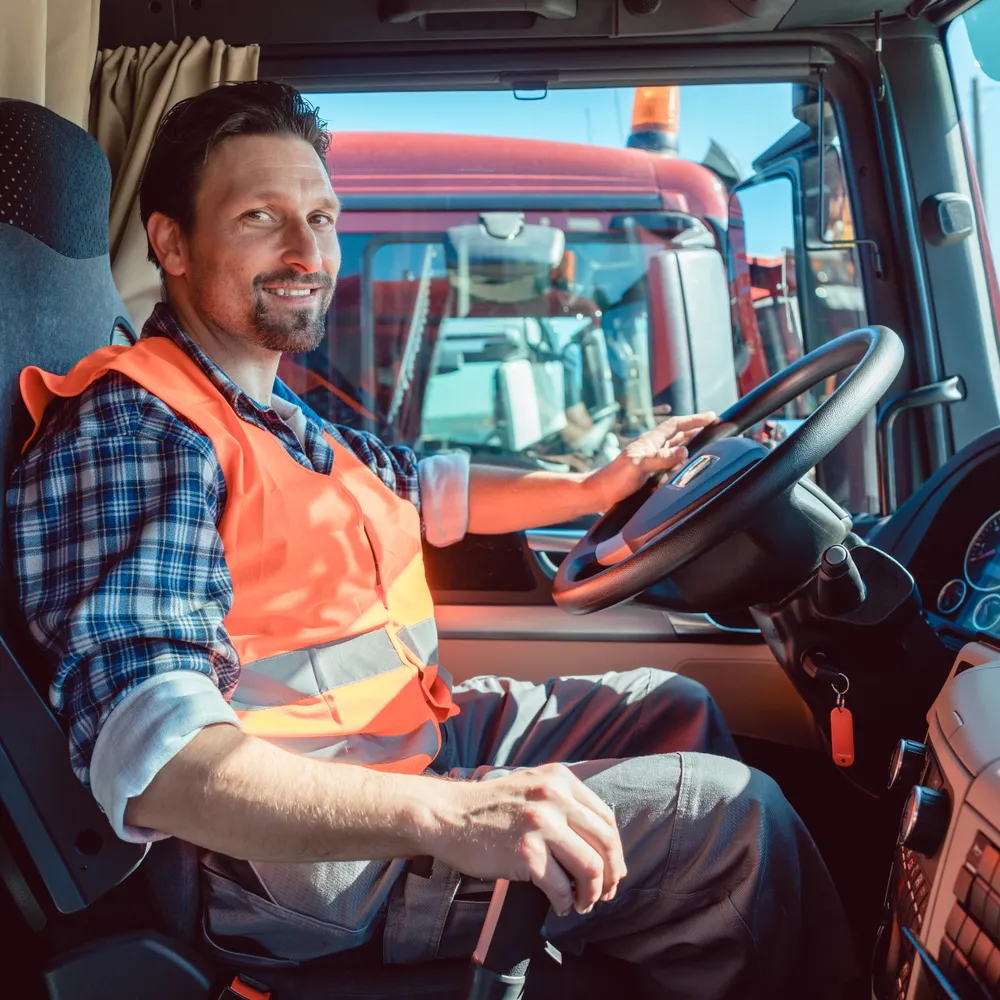
Lorry driver in a hi-vis vest sitting in the cab of an HGV
Written from the job backwards Standards named per item Stocked and embroidered Trade accounts

The job

Dressed for the worst gate on the route

The compliance layer: most RDCs, builders' merchants and industrial sites require Class 2 or 3 hi-vis and safety boots before a driver leaves the cab — and tanker, refinery and terminal work escalates to FR and antistatic per the site's standard. The working rule: carry the kit for the strictest site on the run, because a turned-away load is a day gone. Hi-vis lives on the seat back; boots go on before the gate.

The physical work is at the trailer: ratchet straps and curtains in the rain (grip gloves that work wet — EN 388 with wet-grip coatings), climbing on catwalks and tail-lifts (footwear with real sole grip and ankle support — the terrain rule lands mid-cut for many drivers), and handball deliveries that turn a driving job into a manual-handling one. The cab layer is comfort engineering: breathable trousers and layers that work seated for hours (heavy site trousers cut at the knee when driving), and a gilet or softshell for the constant cab-to-yard transitions — the same doorstep logic as van drivers, scaled up. Night trunking raises the hi-vis stakes: dark yards at 3am are where faded kit gets found out.
The list

The HGV kit map

ItemThe specWhy
Hi-vis (on the seat)Class 2 minimum; Class 3 for night trunkingEvery yard's first rule
FootwearS3 or grippy mid-cut, comfortable seatedCatwalks, tail-lifts and ten hours of pedals
GlovesWet-grip coated pairs, spares in the doorRatchets and curtains don't wait for dry
Cab layersBreathable trousers, gilet/softshellTwo climates per hour, seated comfort first
Site-specific kitFR/antistatic where loads demandTankers and terminals set their own bar

Questions

HGV FAQ

Do HGV drivers need safety boots?

At most delivery and collection sites, yes — RDCs, merchants and industrial yards commonly require safety footwear before drivers leave the cab. The practical buy is a comfortable S3 or grippy mid-cut that drives well for hours; the site rule, not the driving, sets the requirement.

What hi-vis do lorry drivers need?

Class 2 as the near-universal yard minimum, with Class 3 the better call for night work and roadside situations. It lives in the cab and goes on before the gate — many sites turn drivers away without it, and a faded vest fails the purpose in a dark yard at 3am.

What extra kit do tanker drivers need?

Whatever the terminals specify — typically FR coveralls with antistatic (EN 1149-5) performance, chemical-appropriate gloves, and the site's helmet and eyewear rules for loading racks. ADR and site inductions define it; the kit rides in the cab as a condition of the work.

Kit the crew.

Everything in this guide is stocked, embroiderable and priced for teams — send the headcount.