iNeedWorkwear
Roles hub / Care staff

Role guide · Care staff

Tunics & scrubs for care staff.

Care work is a twelve-hour physical job done at close quarters with vulnerable people — the uniform has to survive hoisting and hot washes, meet infection-control policy, and still look approachable at a resident's breakfast table. That's a real specification, and here's the kit that meets it.
3–5
Sets per person, minimum
60 °C
The wash the fabric must take
Bare below
The elbow, during care tasks
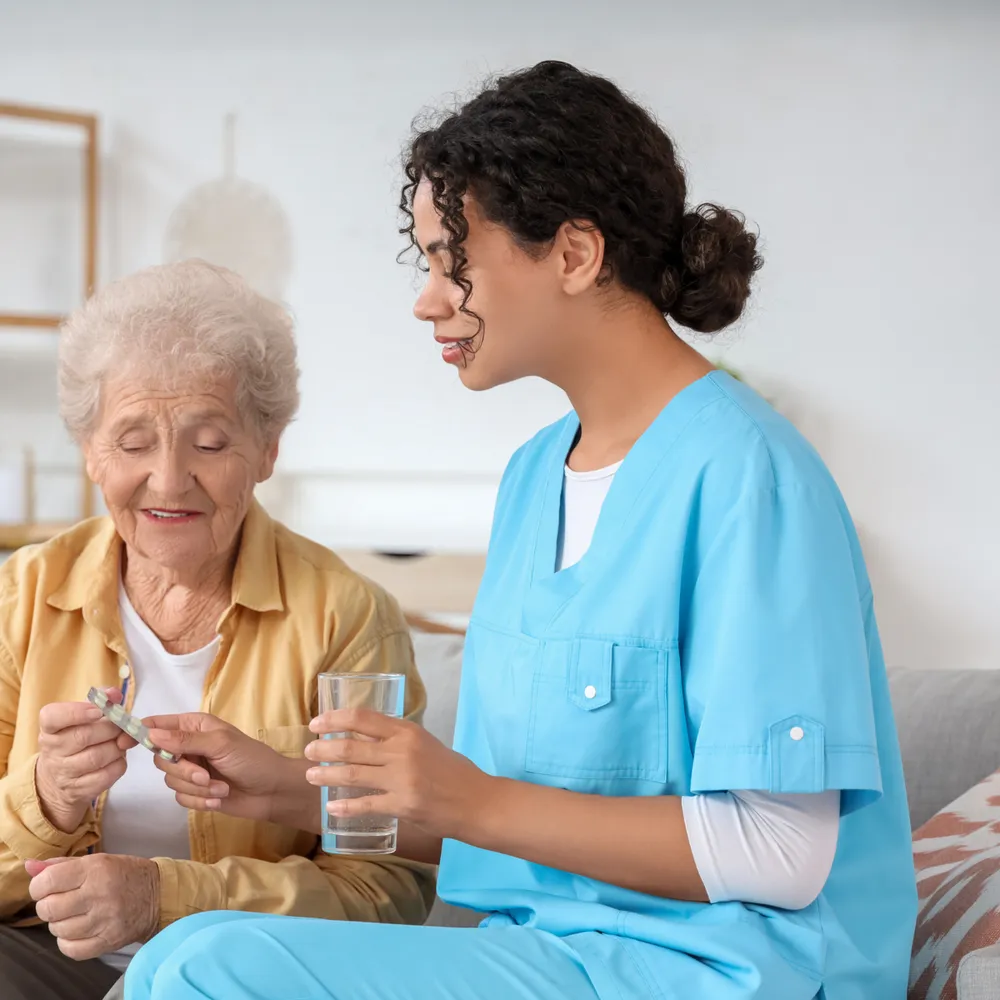
Care worker in scrubs helping an elderly resident with medication
Head-to-toe kit lists Standards named per item Certified stock to match Embroidery & trade accounts

The list

The working wardrobe

ItemSpecNotes
Tunic or scrub top ×3–5Poly-cotton rated for 60 °C washingTunics for resident-facing homes; scrubs where changing on site
Trousers ×2–3Comfort-stretch, full movementHoisting and floor work are gym movements — cut for them
FootwearWashable upper, slip-rated sole, cushionedTwelve hours on hard flooring; spills happen
Fleece or cardiganUniform-coded, removableFor corridors and breaks — off during personal care
Community layerSoftshell + ID visibilityDomiciliary rounds make the car part of the workplace

The policy items

Bare below the elbow, and what it means for kit

Most care providers run a bare-below-the-elbow policy during personal care: short sleeves, no wristwatch, minimal rings — because forearms and cuffs are what touch people and surfaces, and they're what handwashing has to reach. For the wardrobe, that means short-sleeved tunics as the base garment and warm layers designed to come off easily and go back on between tasks, not knitwear worn through care duties.

The other policy reality is laundering: uniforms need washing at the temperature policy states — commonly 60 °C — which is why care tunics are poly-cotton blends built for it, and why three to five sets isn't generous, it's the minimum that lets a worker change after a soiled shift and still have kit for tomorrow.

Often missed

Three details that matter in practice

Colour = role
Trim and colour coding tell residents and families who's who at a glance
Pockets earn rent
Phones, gloves, pens, keys — tunic pocket layout is a genuine selection criterion
Names embroidered
Printed name badges peel in hot washes; stitched names don't
The employer-side view — settings, laundering benchmarks and support-staff kit — is in the healthcare sector guide. For team orders with colour-coding and embroidery, talk to us.

Questions

Care staff kit FAQ

How many tunics do care staff need?

Three to five, assuming uniforms are washed after each shift as most policies require. Fewer than three means a single soiled shift breaks the rotation. Trousers follow at two to three pairs.

What does bare below the elbow mean?

During personal care tasks: short sleeves, no wristwatch or bracelets, and minimal rings, so hands and forearms can be washed effectively and cuffs don't transfer between people. Kit-wise it means short-sleeved tunics as standard and warm layers that come off easily between tasks.

What shoes are best for care work?

Washable uppers, slip-rated soles, closed toes and real cushioning. Care shifts run long on hard floors and involve spills — trainers-style washable shoes purpose-made for healthcare do the job; fabric fashion trainers don't survive the mop-bucket reality.

Can care staff wear cardigans or fleeces?

Usually yes for corridors, handover and breaks — coded to the uniform — but off during personal care under bare-below-the-elbow policies. Buy layers on that assumption: easy on, easy off, washable with the rest of the kit.

One person or a whole crew?

Either way the kit list is the same — send the role and the headcount and we'll price it, embroidered.