iNeedWorkwear
Sectors hub / Quarrying

Sector guide · Quarrying & aggregates

Quarrying: dust, plant and open sky.

A quarry compresses three of workwear's hardest problems into one site: vehicles the size of houses with blind spots to match, respirable crystalline silica in the dust of almost every process, and weather that arrives unbroken across an open pit. The kit list follows those three, in that order.

Class 3
Plant this size sets the hi-vis bar
RCS
Silica dust — the career-ending exposure
Exposed
No shelter between face and weighbridge
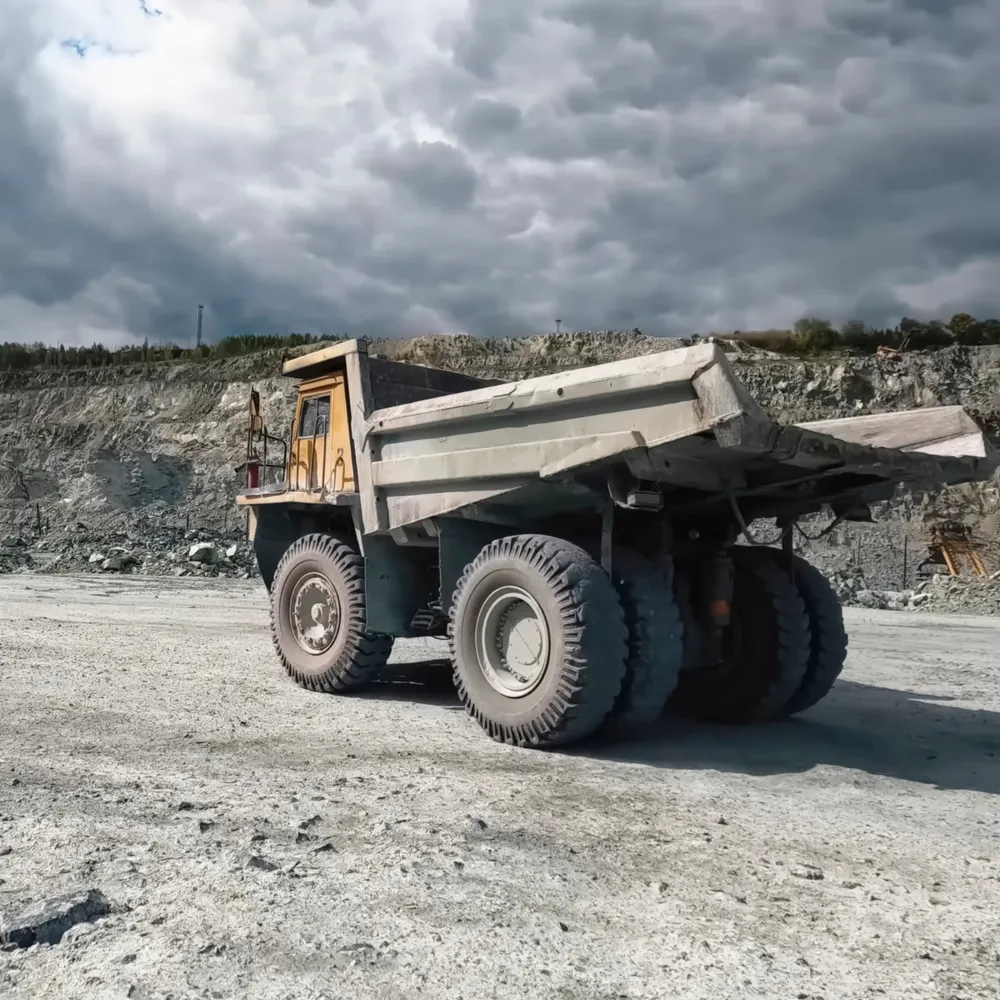
Rigid dump truck on a haul road in a working quarry
Sector hazards mapped to standards Kit lists by role, not by catalogue Stocked nationwide Trade accounts

The sector

Three hazards write the list

Plant first: dump trucks, loading shovels and excavators at quarry scale have blind spots measured in metres, which is why Class 3 hi-vis is the sector default and site rules commonly demand it in two-piece form (jacket plus trousers) so visibility survives jacket-off summer work. Segregation and vehicle marshalling do the heavy lifting; the clothing is the last line.

Dust second, and most seriously: cutting, crushing, screening and drilling stone releases respirable crystalline silica — the exposure behind silicosis — and the RPE answer is FFP3 (or better, powered hoods for all-day exposure), fit-tested, alongside the water suppression and cab filtration that do the primary control. Eye protection and hearing protection zones follow the same processes around crushers and screens.

Weather third: an open pit offers nothing between the face and the weighbridge, so layering systems, EN 343 shells in hi-vis, and UV-season kit aren't comfort items — they're what keeps twelve-month operations staffed. Washplant and lagoon work adds S5 wellingtons; S3 boots with ankle support handle the haul roads and stockpiles everywhere else.
Kit by role

The quarry kit map

RoleThe kit that mattersThe spec detail
Face & plant operatorsClass 3 two-piece hi-vis, S3 bootsCab work still badges through yards on foot
Crusher & screen crewsFFP3, eye and hearing protectionRCS is the exposure that ends careers
WashplantWaterproofs, S5 wellingtonsThe washable boot logic
Weighbridge & gateHi-vis with weather layersStatic outdoor work — insulation over breathability
Maintenance & fittersFitted kit, cut gloves, task RPEEN 388 on wire ropes and wear plates

Management notes

What quarry operators get burned by

Fit-test everyone
FFP3 on a stubbled face is theatre — fit testing and clean-shaven policy make the rating real
Two-piece hi-vis
Summer strips jackets — trousers keeping Class 3 in play is why the two-piece rule exists
Dust ages kit
Grit shortens garment and boot life — rotation budgets should assume quarry-rate wear

Questions

Quarrying FAQ

What PPE is required in a quarry?

The standard site set — helmet, Class 3 hi-vis (often two-piece), S3 boots, gloves — plus process-driven additions: FFP3 respiratory protection around silica-generating operations, hearing protection in designated zones, and eye protection at crushers and screens. Each site's rules and health surveillance define the specifics.

Why is silica dust so dangerous in quarrying?

Respirable crystalline silica particles scar lung tissue permanently — silicosis is progressive, incurable and dose-driven, and quarry processes (drilling, crushing, screening, cutting) generate exactly the particle sizes that reach deep lung. Water suppression and enclosed cabs lead the control; fit-tested FFP3 covers what remains.

What hi-vis do quarries require?

Class 3 as the practical default, frequently as jacket-and-trouser combinations so compliance survives when jackets come off — the plant is enormous, operators sit high, and ground staff visibility is the margin. Site traffic rules state the requirement; expect it enforced at induction.

Kit the whole operation.

Send the roles and headcount — we'll come back with a kit list per role, embroidered and priced.