iNeedWorkwear
Sectors hub / Housing

Sector guide · Housing maintenance

Housing maintenance: every trade, someone's home.

A repairs operative might plumb at nine, patch plaster at eleven and hang a fire door after lunch — each job in an occupied home where the uniform is also the ID check. Housing maintenance kit is the multi-trade van wardrobe plus something no other sector weights so heavily: being recognisable and trustable at the door.

Multi-trade
Three trades before lunch
ID-first
Tenants must know who's knocking
Van wardrobe
The kit lives on wheels
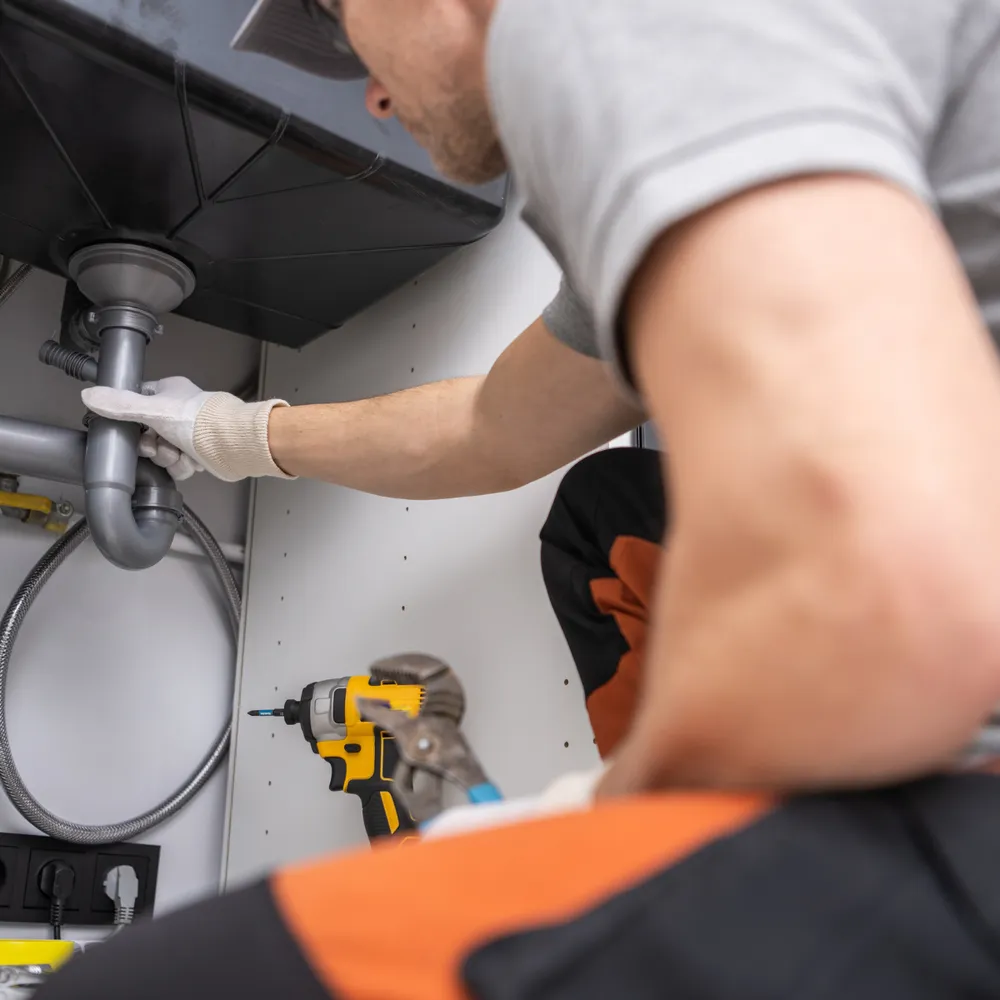
Maintenance engineer in work gloves repairing pipework under a sink
Sector hazards mapped to standards Kit lists by role, not by catalogue Stocked nationwide Trade accounts

The sector

The van wardrobe, the doorstep, the voids

The base kit is the multi-trade list: stretch trousers with knee-pad pockets (repairs work is floor-level work — under sinks, at skirting, on bathroom floors), S1P or S3 footwear that's clean enough for carpets and capable enough for voids, dexterity gloves plus nitrile for wet trades, and eye protection that actually gets worn for drilling overhead. The van carries the escalation kit: FFP3 for sanding and loft work, disposable coveralls for the filthy jobs, and overshoes for finished homes.

The doorstep is policy: housing providers dress repairs teams in strong embroidered identity — branded polos and softshells matching the ID badge — because tenants, including vulnerable ones, are told to check who's knocking; a scruffy unbranded operative fails safeguarding before failing style. Voids and communal work shifts the list toward the harder end: void properties are unknown territory (sharps-aware gloves, FFP protection, sometimes full waste-sector thinking for the worst), communal repairs bring hi-vis around grounds plant, and gas and electrical specialists carry their own trades' rules — the gas engineer's list rides in the same van fleet.
Kit by job

The repairs kit map

JobThe kit that mattersThe note
Responsive repairs (occupied)Branded kit, knee pads, overshoesThe doorstep ID rule leads
Wet trades & drainageNitrile under grip gloves, waterproofsPlus the hygiene habits of the trade
Voids & clearancesSharps-aware gloves, FFP3, disposablesUnknown territory — kit for the worst room
Communal & externalHi-vis, weather layersGrounds plant and roadside frontages
Gas / electrical specialistsTheir trades' own listsGas and electrical rules apply

Management notes

What providers get burned by

ID = uniform
Branded kit isn't marketing — it's the safeguarding system tenants were told to trust
Knees on the books
Repairs operatives kneel for a living — inserts in every trouser, replaced like consumables
Void escalation
A written void kit list stops the worst properties being entered in doorstep kit

Questions

Housing maintenance FAQ

What do housing repair operatives wear?

Branded multi-trade kit: embroidered polos or softshells matching their ID, stretch trousers with knee-pad inserts, clean capable safety footwear, and a van stocked with escalation PPE — FFP3, disposable coveralls, overshoes, task gloves. The uniform doubles as the tenant's identity check.

Why is uniform so important for housing maintenance teams?

Safeguarding: tenants — including vulnerable residents — are told to verify callers, and a consistent branded appearance matching the ID badge is the check that works at the door. It also protects operatives from refused access and doorstep disputes; recognisability is functional.

What extra kit do void property clearances need?

Kit for the unknown: sharps-aware cut-resistant gloves, FFP3 respiratory protection, disposable coveralls, solid footwear and often waste-sector thinking for the worst cases — needles, biohazards and unstable contents feature. A written void kit list keeps the escalation from being improvised.

Kit the whole operation.

Send the roles and headcount — we'll come back with a kit list per role, embroidered and priced.