Sector guide · Pharma & cleanrooms
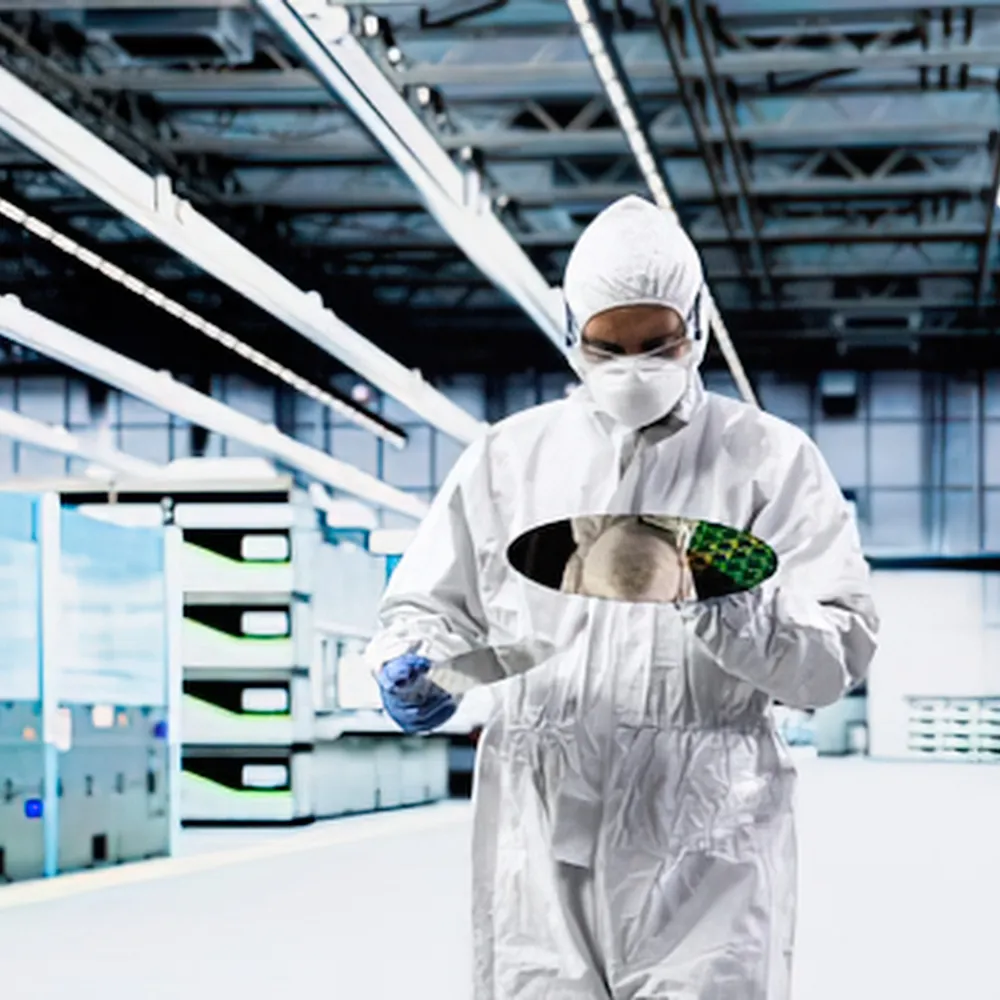
Cleanroom clothing inverts every rule in this library: the garment exists to protect the product from you — your skin flakes, fibres and static — not the other way round. That inversion decides everything from fabric to laundering, and it stops at the cleanroom door, where a whole ordinary factory still needs dressing.

The sector
Inside classified areas, gowning follows the room's grade: from smocks, hairnets and overshoes in the lowest grades up to full coverall-hood-boot-goggle systems, donned in sequence in gowning rooms and either single-use or laundered by specialist cleanroom laundries — never domestically, since the garments are low-linting synthetic constructions whose whole point is particle control (with ESD properties where electronics or powder-handling demand). The site's SOPs, not a supplier's catalogue, define the system — kit is bought to the gowning procedure.
Outside the door is a normal industrial estate: warehouse teams (the zone playbook), engineers and maintenance crews whose low-lint fitted kit matters when they enter grade areas for repairs, laboratory staff in coats and nitrile per COSHH, and hygiene rules that borrow from food-grade thinking: no exposed personal clothing, managed laundering, jewellery policies. The buying pattern splits the same way — specialist gowning through the cleanroom supply chain, everything outside it through a normal trade account.
Kit by zone
| Zone | The kit that matters | The note |
|---|---|---|
| Classified cleanrooms | Graded gowning systems, specialist-laundered | Bought to the SOP; single-use in the highest grades |
| Labs & QC | Lab coats, nitrile, eye protection | COSHH assessments per substance |
| Production support & engineering | Low-lint fitted kit, ESD where zoned | Antistatic logic near powders |
| Warehouse & dispatch | Hi-vis, S1P trainers, chilled-store layers | Cold-chain sections follow EN 342 |
| Facilities & cleaning | Hygiene kit, chemical gloves by product | EN ISO 374 at the wash bay |
Management notes
Questions
Gowning scaled to the room's classification — from smocks, hairnets and overshoes at lower grades to full coverall-hood-boot systems at the highest — in low-linting fabrics, donned in sequence and laundered by specialist cleanroom laundries or used once. The site's gowning SOP defines the exact system.
Direction of protection: cleanroom garments protect the product and process from human contamination — skin particles, fibres, static — rather than protecting the wearer from hazards. Where genuine hazards exist too (potent compounds, chemicals), the gowning system and PPE requirements combine.
No — domestic and general industrial laundering recontaminates them with lint and particles. Reusable cleanroom garments cycle through specialist cleanroom laundries that wash, test and pack them in controlled conditions; the highest grades use sterile single-use garments.
Send the roles and headcount — we'll come back with a kit list per role, embroidered and priced.