iNeedWorkwear
Sectors hub / Joinery

Sector guide · Furniture & joinery

Furniture & joinery: dust, blades and finish rooms.

Woodworking's two defining hazards pull the kit list in opposite directions: dust demands more protection (hardwood dust is a carcinogen — FFP3 territory), while the machines demand less clothing, not more — no gloves at the spindle, no loose anything near a blade. Getting both right is the whole game.

FFP3
Hardwood dust is carcinogenic
No gloves
At machines — entanglement beats cuts
Fitted
The blade-room dress code
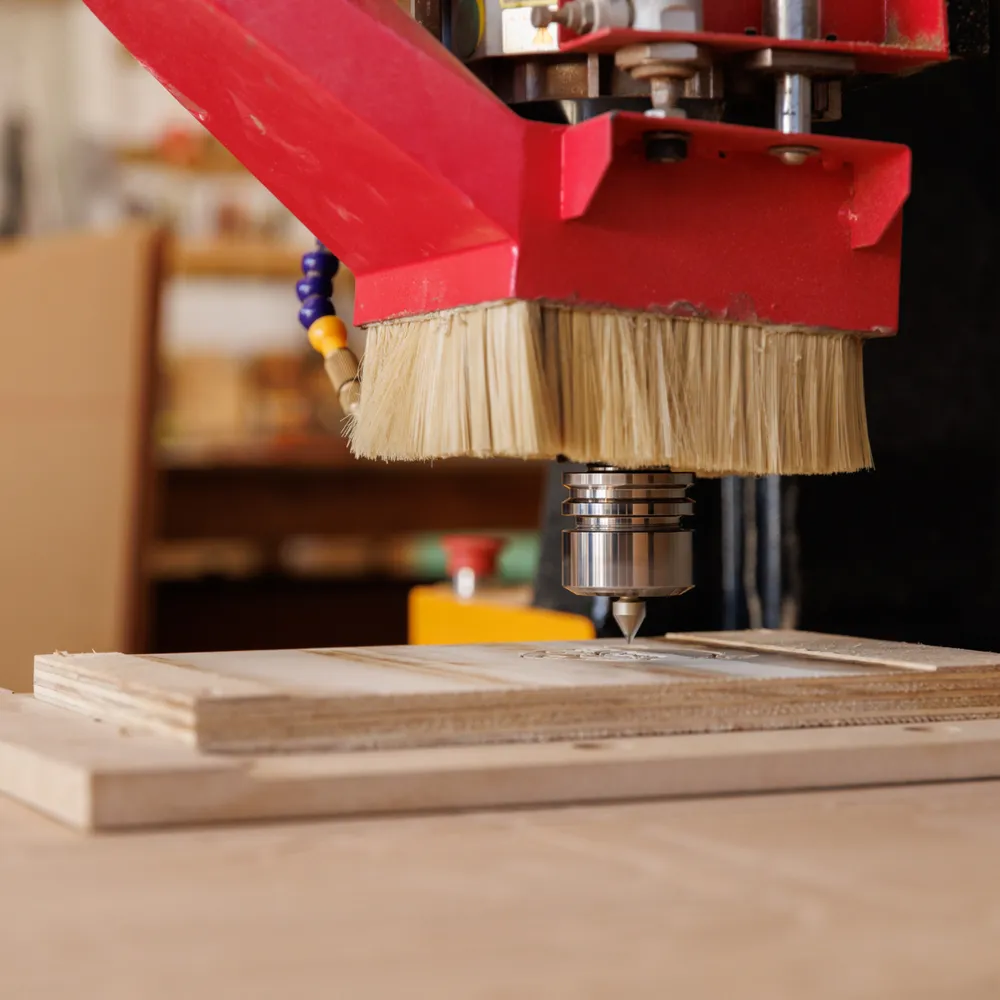
CNC drilling machine working a plywood panel in a joinery workshop
Sector hazards mapped to standards Kit lists by role, not by catalogue Stocked nationwide Trade accounts

The sector

Dust rules, machine rules, finish rules

Dust first: hardwood dust is a recognised carcinogen (sinonasal cancers) and softwood dust an asthmagen — extraction at the machine does the primary control, and FFP3 covers sanding, hand-machining and anything extraction can't capture, fit-tested like it matters, because it does. Eye protection to impact grades lives at every machine; hearing zones cover planers, spindle moulders and saws.

Machines flip the glove instinct: at running blades and spindles the rule is usually no gloves — entanglement and glove-snatch beat laceration as the risk, so machine work runs bare-handed or thin-fitted per the shop's rules, with cut-rated gloves reserved for handling boards, changing tooling and site fixing. Clothing is fitted throughout: snug cuffs, no drawcords, aprons or fitted kit rather than flapping coveralls. Finish rooms add the chemistry: nitrile or rated gloves for stains and lacquers, and spray work runs under COSHH with RPE per the product system — isocyanate lacquers push toward air-fed, exactly as in bodyshops. Site-fitting joiners carry the carpenter's list in the van alongside.
Kit by area

The joinery kit map

AreaThe kit that mattersThe spec detail
Machine shopFitted kit, eye + hearing protection, NO loose anythingGlove policy per machine — often none at the blade
Sanding & hand workFFP3, eye protectionHardwood dust = carcinogen — the non-negotiable
Finish roomNitrile/rated gloves, RPE per productIsocyanate systems escalate the RPE — data sheet decides
Bench & assemblyAprons, knee pads, dexterity glovesEN 14404 for fitting-up at floor level
Site fittingThe carpenter's van listCovered in the role guide

Management notes

What workshops get burned by

Dust surveillance
Health surveillance for wood dust exposure is an expectation, not a luxury — the disease latency is long
Glove policy per machine
Write it down machine by machine — 'gloves sometimes' is how both injury types happen
Extraction first
RPE covers what extraction misses — a shop relying on FFP3 alone has the hierarchy upside down

Questions

Joinery FAQ

What mask is needed for wood dust?

FFP3 for hardwood dust (a recognised carcinogen) and for prolonged sanding of any species — fit-tested, and worn alongside extraction rather than instead of it. Softwood dust is an asthmagen and warrants the same seriousness at sustained exposure.

Why are gloves banned on woodworking machines?

Rotating blades and spindles can snatch a glove and pull the hand in — entanglement outranks laceration at running machines, so most shops prohibit gloves at the blade and reserve cut-rated gloves for board handling and tooling changes. Each machine's rule should be written and posted.

What PPE is needed for spraying lacquer?

Per the product system's data sheet under COSHH — nitrile or rated gloves, eye protection, and RPE that escalates with the chemistry: isocyanate-based lacquers push toward air-fed respiratory protection in a proper booth, the same regime as automotive refinishing.

Kit the whole operation.

Send the roles and headcount — we'll come back with a kit list per role, embroidered and priced.