iNeedWorkwear
Sectors hub / Childcare

Sector guide · Childcare & nurseries

Childcare: workwear for floor-level days.

Nursery work is done kneeling, carrying and being climbed on — in clothing that meets parents at handover and Ofsted at inspection. The kit is simple but the brief is real: survive paint, mud and biology daily, stay comfortable through a ten-hour shift on the floor, and look like a team parents trust on sight.

Floor-level
The job happens kneeling
Wipe & wash
Paint, mud and biology daily
Trust
The uniform is the handover signal
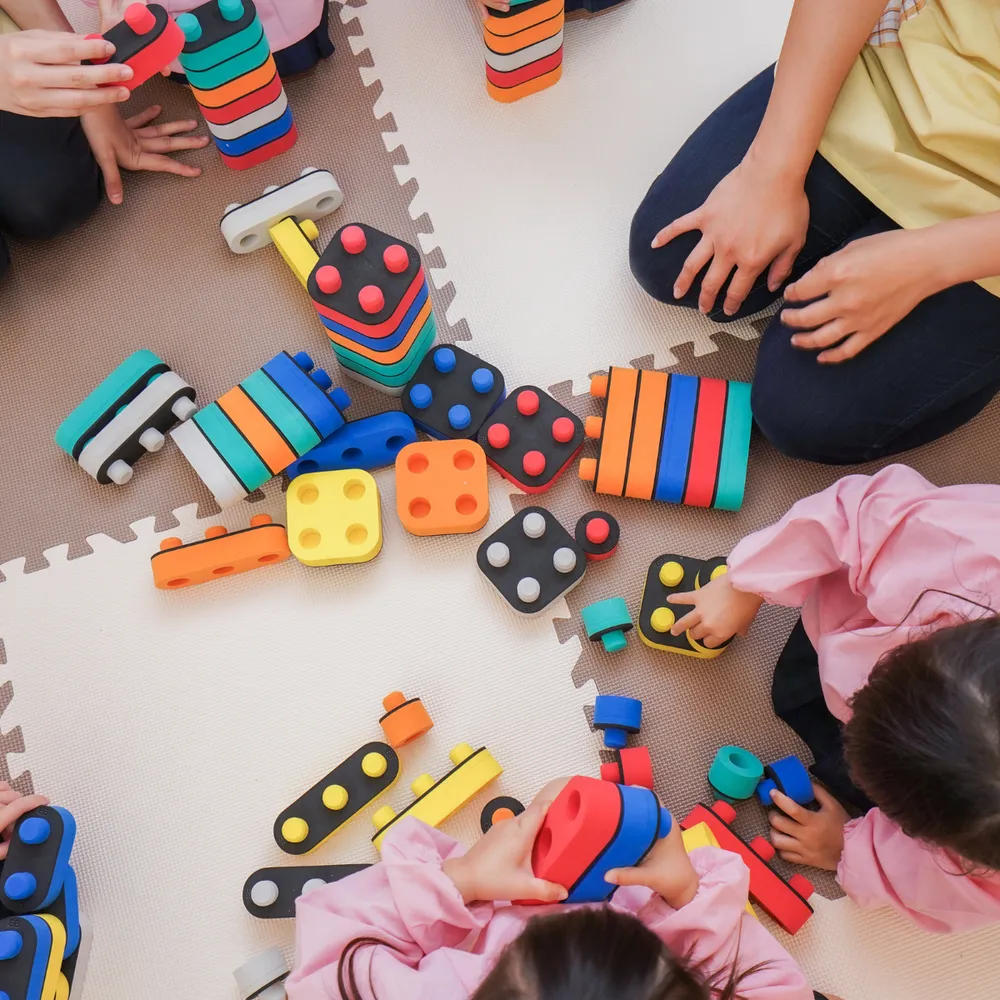
Nursery staff and children playing with building blocks on a soft play mat
Sector hazards mapped to standards Kit lists by role, not by catalogue Stocked nationwide Trade accounts

The sector

Practicality, hygiene, identity

The base uniform that works is trade-tested: polos and sweats in the setting's colours (embroidered — the identity logic applies to nurseries as much as hotels), with stretch trousers or joggers that kneel and crouch without complaint. Fabric choice follows the washing rules: polycotton that survives daily 60°C cycles, in colours that forgive paint — because nursery laundry runs hotter and more often than almost any office-adjacent sector.

Task layers do the messy work: tabards for general shift wear (pockets for tissues, phones and the endless small things), wipe-clean aprons for meals, messy play and nappy changing, and disposable aprons and gloves where the setting's hygiene policy requires them per task. Footwear is the health item: cushioned, supportive and secure (nothing slip-on that flies off mid-chase; nothing open-toed near tiny feet and dropped furniture), because early-years staff clock walking distances and floor-sitting transitions that punish flat shoes. Outdoor provision adds the layering logic — forest school and all-weather play means staff waterproofs and wellies are kit, not personal extras.
Kit by task

The nursery kit map

TaskThe kit that mattersThe note
Everyday room workEmbroidered polos/sweats, stretch trousersKneel-tested — the job is at floor level
Meals & messy playWipe-clean apronsSwapped per task, wiped between
Nappy changing & first aidDisposable aprons and gloves per policyNitrile where latex policies apply
Outdoor & forest schoolStaff waterproofs, wellingtons, layersAll-weather provision means all-weather kit
Kitchen dutiesHygiene aprons, hair coverage per EHOFood rules follow the same logic at nursery scale

Management notes

What settings get burned by

Rotation depth
A child can end a garment's day by 9am — staff need spare sets on site, not hope
Washable everything
Buy nothing that can't take a 60°C cycle — the <a href='uniform-quantity-calculator.html'>quantity maths</a> assumes hot and often
Name the code
A documented uniform policy (colours by role) helps parents read the room and cover staff consistently

Questions

Childcare FAQ

What do nursery staff wear?

Practical embroidered uniform — polos or sweats in setting colours with stretch trousers that survive kneeling — plus task layers: tabards for the shift, wipe-clean aprons for meals and messy play, disposables for hygiene tasks per policy, and proper supportive footwear for ten-hour floor-level days.

Why do nurseries have staff uniforms?

Identity and trust as much as practicality: parents read a consistent, tidy team at handover, visitors identify staff instantly (a safeguarding plus), and the uniform absorbs the job's daily paint and mud instead of staff's own clothes. Embroidered kit does all three cheaply.

What footwear is best for nursery work?

Cushioned, supportive, secure shoes — closed-toe against dropped furniture and tiny collisions, no backless slip-ons, and comfortable enough for a shift that mixes miles of walking with constant floor transitions. Staff feet are the setting's most-used equipment.

Kit the whole operation.

Send the roles and headcount — we'll come back with a kit list per role, embroidered and priced.