Role guide · Gas engineering
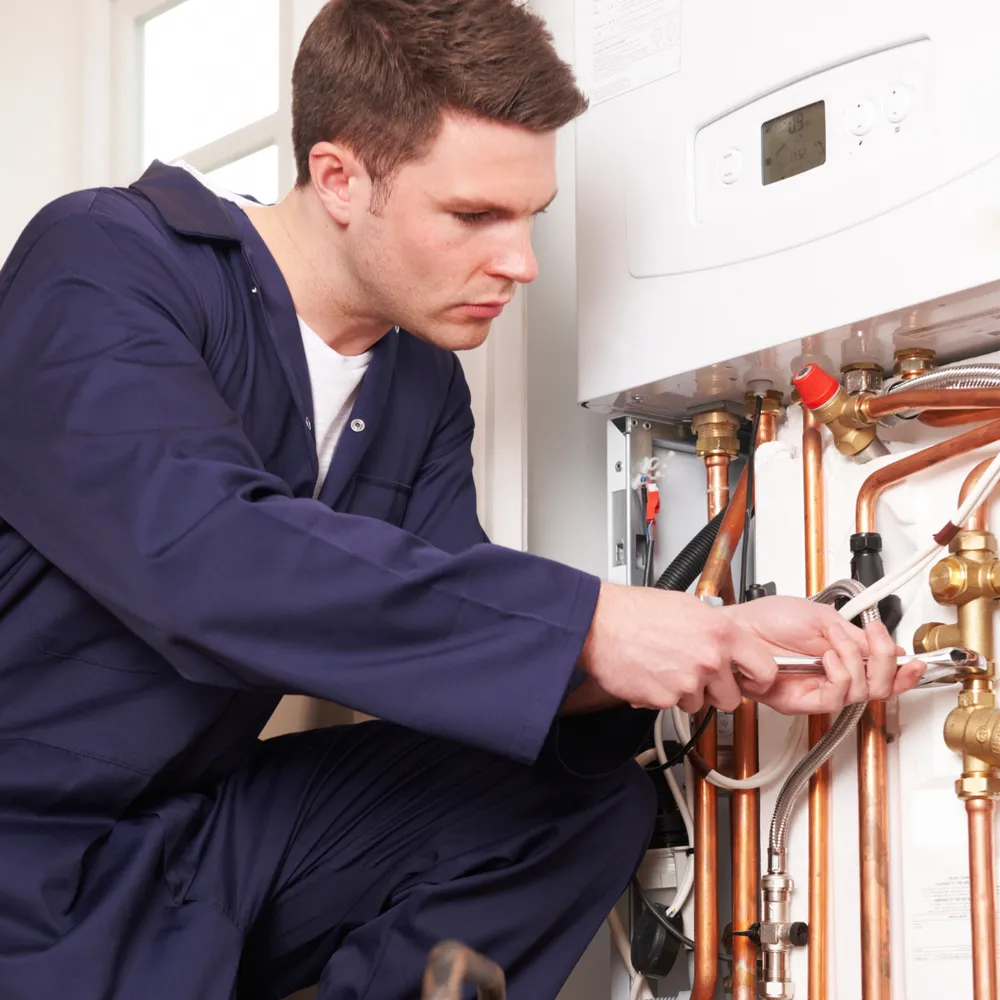
A domestic gas engineer's day is a series of first impressions followed by an hour on someone's kitchen floor: the kit has to read professional at the door, kneel comfortably behind a boiler, and carry the ID that proves registration. Commercial and industrial gas work adds a second, hotter wardrobe question.

The job
Domestic gas work is customer-facing trade work — the embroidered polo or softshell with the company name does real commercial work at the doorstep, alongside the Gas Safe ID card the customer should be checking. Below the waist the job is physical: boiler work happens kneeling in tight spots, so trousers with EN 14404 knee-pad pockets (and inserts actually fitted — the standard decoded) plus holster pockets for the constant small tools.
The FR question: routine domestic installation and service on isolated appliances is not FR work, and smart poly-cotton kit is the norm. The line moves in commercial, industrial and network settings — plant rooms, live-gas environments, anywhere the employer's or site's risk assessment names flame or flash risk — where FR garments and sometimes antistatic ratings appear on the list. The employer's assessment, not habit, draws it.
The list
| Item | The spec | Why |
|---|---|---|
| Polos / softshell | Embroidered, smart, dark colours | Doorstep credibility; soot and flux forgive navy |
| Trousers | Knee-pad pockets + EN 14404 inserts | The job is on its knees half the day |
| Footwear | S1P or S3, clean-looking | Customer homes — a boot that wipes matters |
| Gloves | Dexterity gloves; heat-rated for hot parts | EN 407 for just-run appliances |
| Outer layer | Softshell or shell for van-to-door weather | The jacket logic |
The details
Questions
For routine domestic installation and servicing on isolated appliances, generally no — smart, durable workwear is the norm. FR (and sometimes antistatic) requirements appear in commercial, industrial and gas-network environments where the risk assessment names flame or flash hazards. The employer's or site's assessment is the deciding document.
Embroidered polos or softshells in dark, forgiving colours with the company identity clear — supporting the Gas Safe ID card customers should ask to see — plus clean-looking trousers and wipeable safety footwear. In customer-facing trades the uniform is part of the service; rotation quantities keep it looking that way.
Work trousers with EN 14404-certified knee-pad inserts fitted in their pockets — Level 1 covers most domestic floors — or a separate kneel mat for finished interiors. Knees are a gas engineer's working surface; unprotected kneeling is how the trade buys its bursitis.
Everything in this guide is stocked, embroiderable and priced for teams — send the headcount.