Standards hub · Flame-resistant workwear
"FR" on a label isn't one promise — it's a family of standards covering flame, radiant heat, molten metal, electric arc and static. Getting protected means matching the right ones to your hazard and then not undoing them with the wrong layer underneath. This hub is the map.

The idea
Untreated poly-cotton does two bad things around flame and heat: the cotton content burns, and the polyester content melts onto skin. Flame-resistant clothing exists to break that chain — fabric that self-extinguishes when the ignition source is removed, so a flash event leaves you with a damaged garment instead of a fabric fire you're wearing.
What FR is not: fireproof, arc-proof by default, or permanent regardless of care. Each protection is a specific tested property with its own standard and label code — and the right question is never "is it FR?" but "which hazard, which standard, which level?"
The map
The three below do most of the work; welding adds its own.
| Hazard | Standard | What the marking tells you | Deep dive |
|---|---|---|---|
| Flame, heat, molten metal | EN ISO 11612 | Letter codes A–F grade each heat type | 11612 explained |
| Electric arc | IEC 61482 | APC class or ATPV rating | Arc flash explained |
| Static in explosive atmospheres | EN 1149-5 | Dissipates charge — an ignition-prevention garment | 1149-5 explained |
| Welding spatter & UV | EN ISO 11611 | Class 1 or 2 by process | Welders' guide |
Fabric choice
Two routes to the same certification — different lifetime economics.
Protection built into the fibre itself — can't wash out. Higher price, often lighter.
Cotton comfort at lower cost — protection holds within the garment's specified wash life and care rules.
Wash discipline, garment life and budget decide it — the full comparison.
Keeping it valid
Go deeper
This hub is the map. Each guide takes one standard or decision further — and links back here.
The A-to-F letter codes on heat and flame clothing decoded — what each letter tests and which ones your hazard needs.
Read the guide →ATPV, ELIM and the box-test classes untangled — what each number means and how a task gets matched to a rating.
Read the guide →The garment that prevents the spark — how dissipative clothing works in ATEX zones, and the earthing detail everyone forgets.
Read the guide →Fibre chemistry or chemical finish — the honest trade-offs in protection lifetime, comfort and cost per wear.
Read the guide →Questions
Flame-resistant: fabric that self-extinguishes once the ignition source is removed, instead of burning or melting. It's certified per hazard — EN ISO 11612 for heat and flame, IEC 61482 for electric arc, EN 1149-5 for antistatic — so 'FR' alone isn't a specification; the standard and level are.
Anyone whose risk assessment identifies flash fire, significant heat, molten metal, electric arc or explosive-atmosphere static risk — welders, refinery and gas crews, foundry workers, electrical switching staff, tanker drivers on ATEX sites. The assessment, not the trade name, decides.
Only natural fibres or FR-rated layers. Synthetics — polyester T-shirts, fleeces — melt at flash and arc temperatures inside the protective garment and cause severe burns. The under-layer rule applies to every layer, base included.
Yes, three ways: physical damage (rips and heavy abrasion), chemical damage from laundering with softener or bleach, and contamination — an oil-soaked garment is ignitable whatever its rating. Treated-FR garments additionally carry a specified wash life. Inspect, launder correctly, retire on damage.
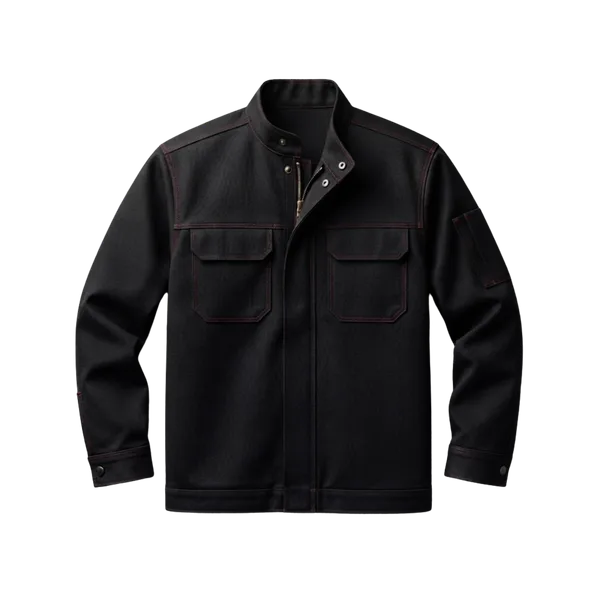
Multi-norm coveralls, arc-rated kit and FR base layers from stock — with badging that doesn't void the certification.