iNeedWorkwear
Care hub / Care

Care guide · Stains & contamination

Getting oil & grease out of workwear.

Oil beats an ordinary wash for a simple reason: it isn't water-soluble, and a 40-degree cycle with everyday detergent mostly just spreads it around. Getting it out is a two-step job — dissolve first, then wash hot. And on flame-resistant kit, it isn't optional.
Pre-treat
The step everyone skips
Hottest safe wash
Per the garment label
FR rule
Oily FR kit isn't FR
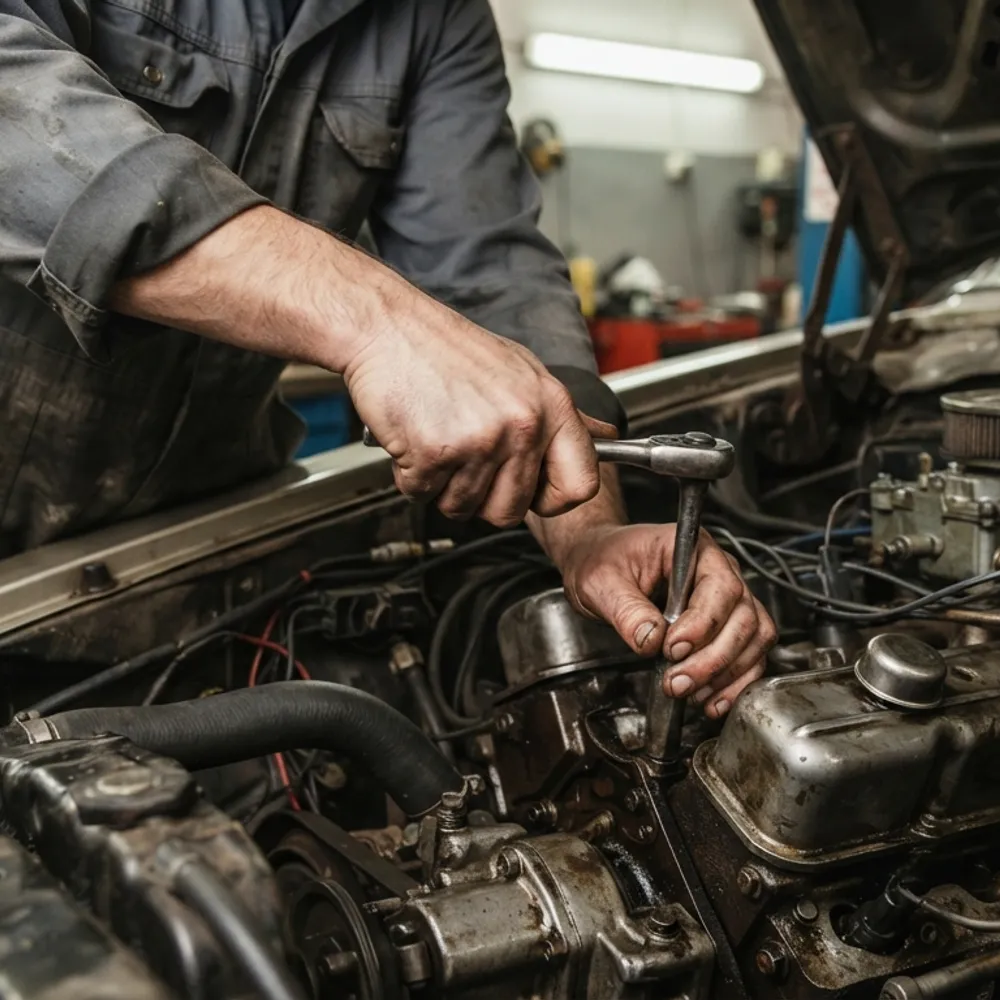
Mechanic in oil-stained overalls working on an engine bay
Care that keeps certification valid Label-first guidance Hi-vis · waterproofs · FR Replacement triggers, not guesswork

Why it survives the wash

Oil doesn't dissolve in water — so the wash needs help

Detergents bridge oil and water, but an everyday low-temperature cycle gives them too little to work with: not enough heat to soften the grease, not enough chemistry to dissolve it. The fix isn't a stronger machine — it's pre-treatment: getting a degreasing agent into the stain before the wash, so the cycle has something it can actually rinse away.

Speed matters more than product choice. Fresh oil sits in the weave; week-old oil has oxidised into it. The crews whose kit stays presentable treat marks at the end of the shift, not at the end of the month.

The routine

The two-step that actually works

Scrape, then blot — never rub

Lift surface grease with a blunt edge and blot with rag or paper. Rubbing drives oil deeper and spreads the mark.

Pre-treat and wait

Work a solvent-based degreaser (or neat washing-up liquid — it's a kitchen-grade degreaser) into the stain. Leave it 15–30 minutes to dissolve the oil. Skipping this step is why the stain survives.

Hot wash, heavy-duty detergent

The hottest cycle the care label allows, a heavy-duty liquid detergent, and room in the drum for the garment to move. Cold cycles preserve oil beautifully.

Air-dry and inspect

Tumble heat sets any oil still in the fabric. Check clean before any heat drying — if in doubt, line-dry.

One repeat, then decide

Run the pre-treat and hot wash once more if needed. Still marked after two rounds? On uniform kit that's cosmetic. On FR kit, see below — it's retirement.

On FR garments, oil removal is a safety requirement. A flame-resistant coverall soaked with hydrocarbons can ignite and burn regardless of its rating — the fuel is in the fabric. Oily FR kit comes off shift for proper laundering, and a garment that won't come clean is retired, not tolerated. The full washing rules are in the FR wash guide.

Know when to stop

Shift it, live with it, or retire it

SituationVerdict
Fresh oil on poly-cotton polos, trousers, coverallsShifts — pre-treat + hot wash, usually first time
Old, oxidised staining on uniform kitCosmetic — fabric is clean after washing even if shadowed; demote to dirty-work kit if looks matter
Any oil saturation on FR / arc / antistatic kitLaunder properly or retire — contamination defeats the protection
Oil on hi-vis fluorescent panels that won't liftRetire — stains mask fluorescence where it's measured

Questions

Oil & grease FAQ

How do you get engine oil out of work clothes?

Blot off the surface oil, pre-treat with a degreaser or neat washing-up liquid for 15–30 minutes, then wash on the hottest cycle the care label allows with a heavy-duty detergent. Air-dry and check before tumble-drying — heat sets any oil left in the fabric.

Why won't oil come out in a normal wash?

Oil isn't water-soluble, and a cool cycle with everyday detergent lacks both the heat and the chemistry to dissolve it. Without pre-treatment the wash mostly redistributes the oil — which is why the mark 'survives' laundering.

Is it safe to wear oil-stained FR workwear?

No. Hydrocarbon contamination makes flame-resistant fabric ignitable regardless of its certified rating — the oil is fuel held against your body. Oily FR garments need proper laundering before reuse, and kit that won't come clean gets retired.

Does washing-up liquid really work on oil stains?

Yes — it's formulated to cut kitchen grease and works the same way on workshop oil as a pre-treatment. Work it in neat, wait 20 minutes, then machine wash hot. For heavy or repeated contamination a purpose-made solvent degreaser is stronger.

Worn past saving?

When care can't bring a garment back to compliance, replace it — certified hi-vis and weatherproofs from stock, with embroidery for teams.