iNeedWorkwear
Care hub / Care

Care guide · Embroidery & print

Washing embroidered & printed workwear.

A logo is the hardest-working part of a uniform: it goes through every wash the garment does, and it fails in public. Embroidery and print age differently — stitching frays and puckers, print cracks and peels — but the laundering habits that protect them are nearly identical.

Inside out
The one habit that matters most
40 °C
The branded-kit sweet spot
No iron
Directly on either decoration
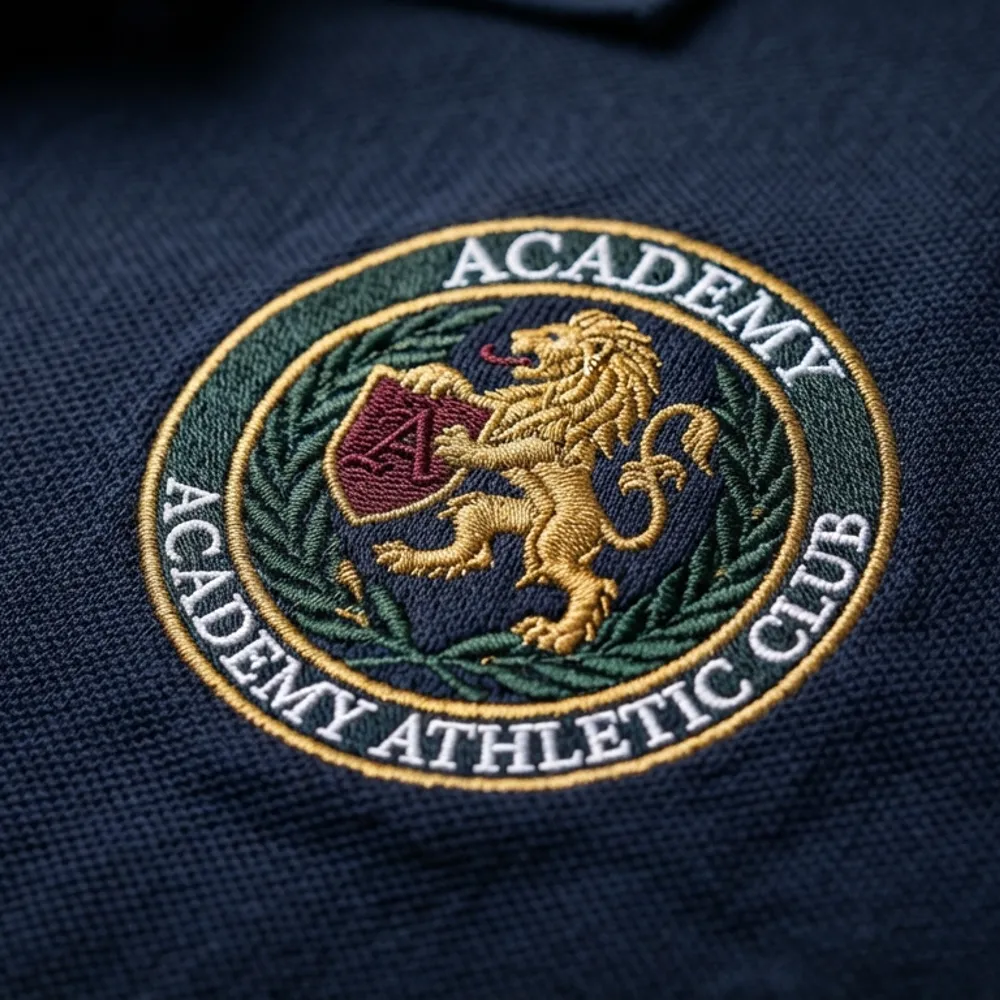
Close-up of an embroidered crest on a navy polo shirt
Care that keeps certification valid Label-first guidance Hi-vis · waterproofs · FR Replacement triggers, not guesswork

Two failure modes

Embroidery frays; print peels

Embroidery is thousands of thread stitches through a stabilised patch of fabric. It fails by abrasion and heat: threads dull and fuzz where the drum grinds them, and aggressive drying shrinks the fabric behind the stitches so the logo puckers. It is, however, the tougher of the two — which is why it's the default for kit washed constantly.

Printed and heat-transferred logos are a film bonded to the fabric surface. They fail by heat and flexing: hot washes and hot tumbles soften the adhesive, edges lift, and the film cracks along fold lines. Print earns its place on garments where stitching doesn't work — waterproof shells (needle holes compromise membranes) and large-format designs.

Same protective habits either way — the routine below — plus one purchasing note: on hi-vis and FR kit, decoration placement and process affect certification, so brand through your supplier rather than a high-street press.
The routine

Five habits that keep logos sharp

Inside out, fastenings closed

The single highest-value habit: the drum abrades the garment's inside instead of the logo. Velcro closed — it grabs threads and transfer edges alike.

40 °C, normal cycle

The branded-kit compromise: hot enough for real soil, gentle enough for threads and adhesives. Check both the garment label and the decoration spec before going hotter.

No bleach, no softener

Bleach takes the colour out of thread; softener leaves a film that lifts print edges and dulls stitching. Standard detergent does the job.

Cool drying

Hot tumbling is the top cause of peeled transfers. Line-dry where possible; tumble low where not.

Iron with respect

Never run a hot plate across a printed logo — it re-melts. Press around decorations, or on the reverse through a cloth for embroidered areas.

Choosing

Embroidery or print — decided by the garment

GarmentBetter choiceWhy
Polos, sweatshirts, fleecesEmbroiderySurvives hundreds of washes; premium look
Waterproof & padded jacketsPrint / transferStitching perforates membranes and fill
Hi-vis garmentsEither — placed correctlyDecoration must not cover certified fluoro or tape areas
FR garmentsSupplier-applied onlyThreads, films and processes must be FR-compatible
Large back designsPrintEmbroidery at that scale is heavy and stiff
Ordering embroidered kit for a team? Placement, thread colours and wash-grade all get decided up front — talk to us before the garments are made, not after.

Questions

Branded kit FAQ

How do you wash clothes with embroidered logos?

Inside out with fastenings closed, at 40 °C on a normal cycle, with standard detergent — no bleach, no softener. Line-dry or tumble cool, and never iron directly over the stitching. The inside-out habit alone prevents most embroidery wear.

Why is my printed logo cracking and peeling?

Heat. Hot washes and hot tumble-drying soften the transfer adhesive and the film itself; edges lift, then folds crack. Wash at 40 °C, dry cool, and never iron across the print — pressed correctly, a quality transfer lasts years of weekly washing.

Is embroidery or printing better for workwear?

Embroidery for anything washed hard and often — polos, sweats, fleeces — because stitching outlasts film. Print for waterproof shells (stitching makes needle holes through the membrane), large designs, and fine detail. Many uniforms sensibly use both across the wardrobe.

Can you embroider hi-vis and FR workwear?

Yes, with rules: on hi-vis the decoration must not encroach on the certified fluorescent background or tape areas, and on FR garments the threads and process must be FR-compatible. That's why branding safety kit should go through the workwear supplier rather than a generic print shop.

Worn past saving?

When care can't bring a garment back to compliance, replace it — certified hi-vis and weatherproofs from stock, with embroidery for teams.