iNeedWorkwear
Sectors hub / Veterinary

Sector guide · Veterinary & animal care

Veterinary & animal care: clinical kit with claws.

Veterinary work is healthcare where the patients bite, shed and don't undress: the wardrobe borrows from the hospital (scrubs, hygiene laundering) and the farm (wellingtons, waterproofs), then adds its own realities — claw-resistant fabric weights, fur that embeds in knits, and cleaning chemistry that eats cheap garments.

Hospital + farm
Two wardrobes in one job
60 °C logic
Clinic laundering mirrors clinical rules
Claw-tested
Fabric weight is armour here
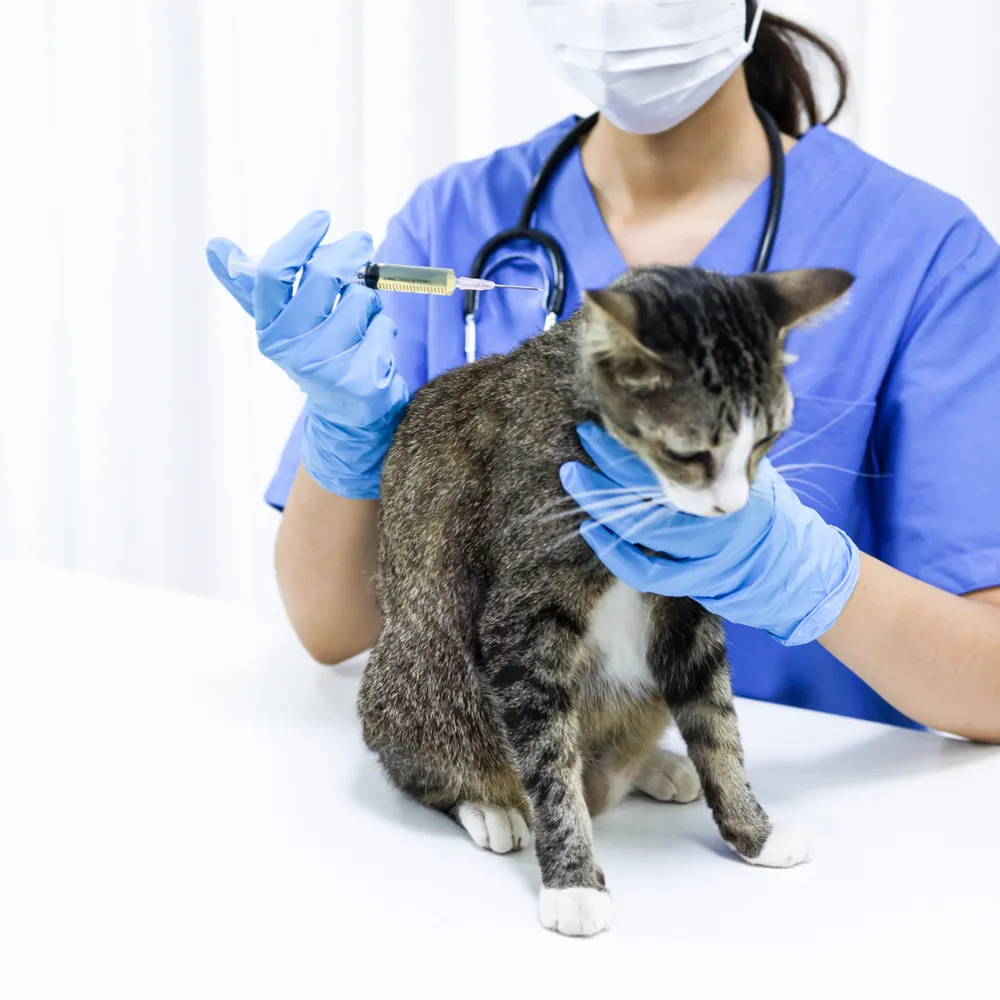
Veterinary nurse in scrubs and gloves giving a cat an injection
Sector hazards mapped to standards Kit lists by role, not by catalogue Stocked nationwide Trade accounts

The sector

Clinical rules, animal amendments

Small-animal practice runs on scrubs and tunics with hospital-grade laundering logic — hot washes, separate loads, garments rated for the policy (the same rules as human clinical kit, for the same infection-control reasons, plus zoonoses). The animal amendments: heavier fabric weights that survive claws and teeth, smooth tight weaves that fur slides off rather than embeds in (the tunic-vs-scrubs choice runs on this), and colours that forgive the day's biology.

Large-animal and farm calls flip the wardrobe: waterproofs, S5 safety wellingtons (a horse or cow finds unprotected feet eventually), parlour-proof over-trousers and gauntlets — kit that lives in the car and hoses down between farms, which is itself a biosecurity duty. Kennels, catteries and grooming sit between: washable everything, waterproof aprons for bathing, and grooming's occupational extra — clipped fur and full-day standing — which puts it closer to salon kit logic than either expects.
Kit by setting

The animal-care kit map

SettingThe kit that mattersThe spec detail
Small-animal clinicScrubs/tunics in rotation, non-slip footwearHot-wash laundering; heavier fabric vs claws
Large-animal & farm callsWaterproofs, S5 wellingtons, gauntletsHose-down kit — biosecurity between holdings
Kennels & catteriesWashable kit, waterproof aprons, grip footwearWet floors and daily disinfectant chemistry
GroomingSmooth-weave tunics, waterproof apronsFur-shedding fabrics — salon logic applies
Reception & front of houseEmbroidered polos or FOH kitThe FOH guide — clients judge the desk

Management notes

What practices get burned by

Rotation depth
An animal can ruin a set before 9am — clinical staff need more sets than office maths suggests
Chemistry
Kennel disinfectants fade and weaken cheap fabrics — buy garments rated for daily hot washing
Zoonoses
Work kit stays at work where policy says so — the laundering rules are infection control, not preference

Questions

Veterinary FAQ

What do veterinary nurses wear?

Scrubs or tunics in practice colours, bought in heavier fabric weights than human-clinical equivalents (claws and teeth are daily), with non-slip washable footwear and rotation depth that survives an animal ruining a set before morning surgery. Laundering follows hot-wash, separate-load clinical rules.

What should a vet wear for farm visits?

Waterproof over-trousers or bib kit, S5 safety wellingtons, gauntlets for obstetric and messy work, and layers under a hoseable shell — everything cleanable between holdings, because kit hygiene between farms is a biosecurity duty as well as a comfort one.

Why do animal-care uniforms wear out so fast?

Three compounding attackers: claws and teeth stress fabric mechanically, daily hot washing ages it thermally, and kennel disinfectant chemistry fades and weakens fibres. The answer is buying garments rated for industrial-style laundering, in rotation quantities that spread the punishment.

Kit the whole operation.

Send the roles and headcount — we'll come back with a kit list per role, embroidered and priced.