iNeedWorkwear
Care hub / Care

Care guide · Scrubs & clinical kit

Laundering scrubs: infection control at home.

Plenty of clinical and care staff launder their own uniforms — which makes the household washing machine part of the infection-control chain. The routine that keeps it sound is short, specific and worth doing exactly.

Separate
Uniforms wash alone
60 °C
The benchmark wash
Dry fast
Damp kit grows what you washed off
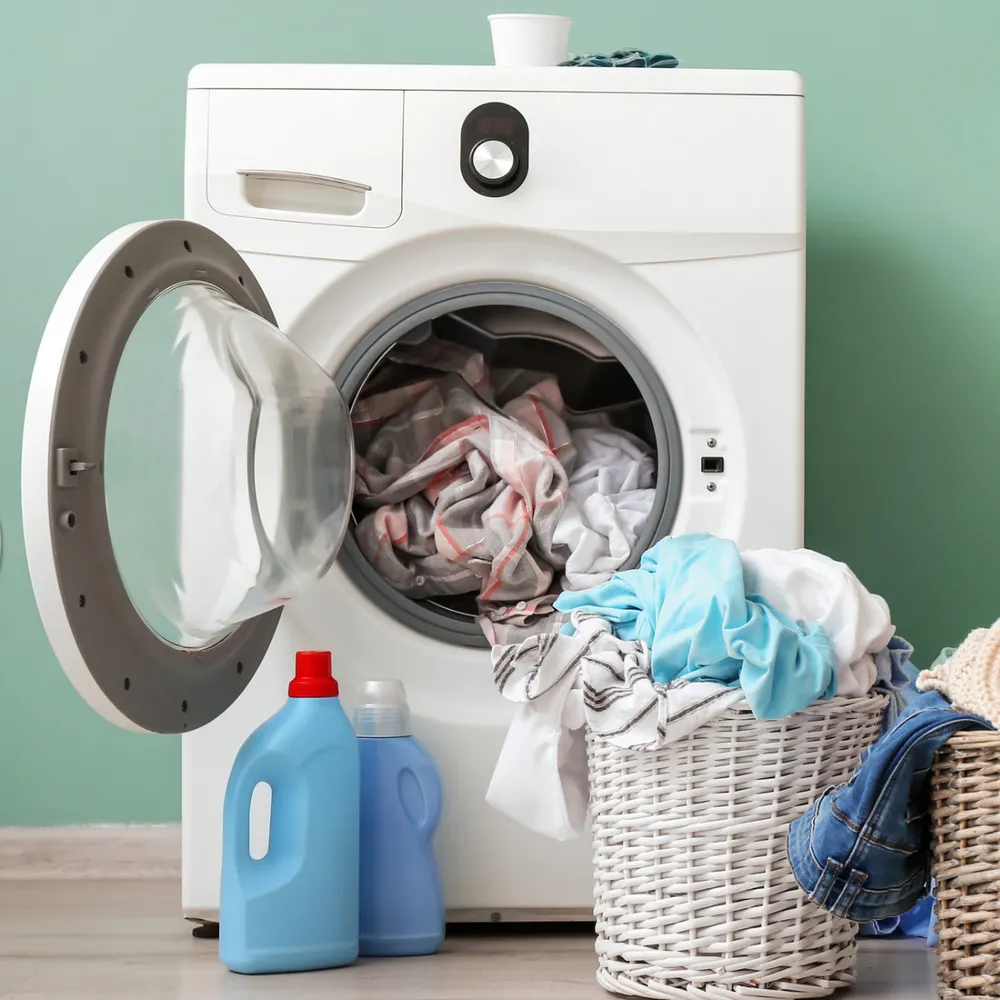
Domestic washing machine with a laundry basket
Label-first guidance Hygiene-sector realities Whites, scrubs & hygiene kit stocked Trade accounts

The context

Home laundering is policy-permitted, not policy-free

Most UK care providers and many NHS settings permit home laundering of everyday uniforms — within rules: change at work, transport sealed, wash separately at the stated temperature, dry promptly. The steps above are that consensus routine. Two hard exceptions sit outside it: visibly contaminated items (blood, body fluids) follow the employer's contaminated-linen process rather than a domestic machine, and theatre scrubs and specialist kit are industrially laundered, full stop.

The buying side makes the routine possible: scrubs or tunics rated for 60 °C washing, and enough sets that washing after every shift doesn't break the rotation.
The rules

Do and don't, on one screen

DoDon't
Wash uniforms as their own loadMix with household laundry — ever
Use the hottest label-permitted cycle (60 °C benchmark)Quick-wash a clinical uniform cool because it 'looks clean'
Dry completely the same dayLeave damp kit sitting in the drum
Follow employer policy where it's stricterHome-launder visibly contaminated items
Buy garments rated for the policy washBuy pretty scrubs that cap out at 40 °C

Why each rule exists

The logic in three lines

Separate
Keeps clinical soils out of the household wash — the whole point
Hot + detergent
Temperature and chemistry together do the decontamination
Dry fast
Microbial regrowth loves a damp garment — drying is part of the kill chain

Questions

Scrub laundering FAQ

Can you wash scrubs at home?

Usually yes for everyday uniforms, within policy rules: change at work, transport sealed, wash as a separate load at the stated temperature (60 °C is the common benchmark), and dry promptly and completely. Contaminated items and theatre kit are the exceptions — they go through the employer's process.

What temperature kills bacteria on uniforms?

The widely used benchmark for uniform laundering is a 60 °C wash with detergent — temperature and chemistry working together. Buy scrubs and tunics rated for it; a garment capped at 40 °C can't follow the policy it's worn under.

Why can't scrubs go in with normal washing?

Separation is the core control: it keeps clinical soils from circulating through household laundry and lets the uniform load run at the right temperature and cycle. It's the difference between laundering and just washing.

Past saving?

When the whites or scrubs are done, replacements ship fast — boxed quantities for rotation.