iNeedWorkwear
Sectors hub / Agriculture

Sector guide · Agriculture

Agriculture: the sector that needs every chapter.

Farming has one of the worst fatal-injury rates of any British industry, and its hazard list reads like the index of a safety textbook: machinery, livestock, chemicals, dust, height, weather. The workwear answer isn't one heroic garment — it's a task-mapped wardrobe the whole farm actually follows.
Highest-risk
Among Britain's most dangerous sectors
6 hazards
On one payslip, most days
Task-mapped
Kit follows the job, not the fashion
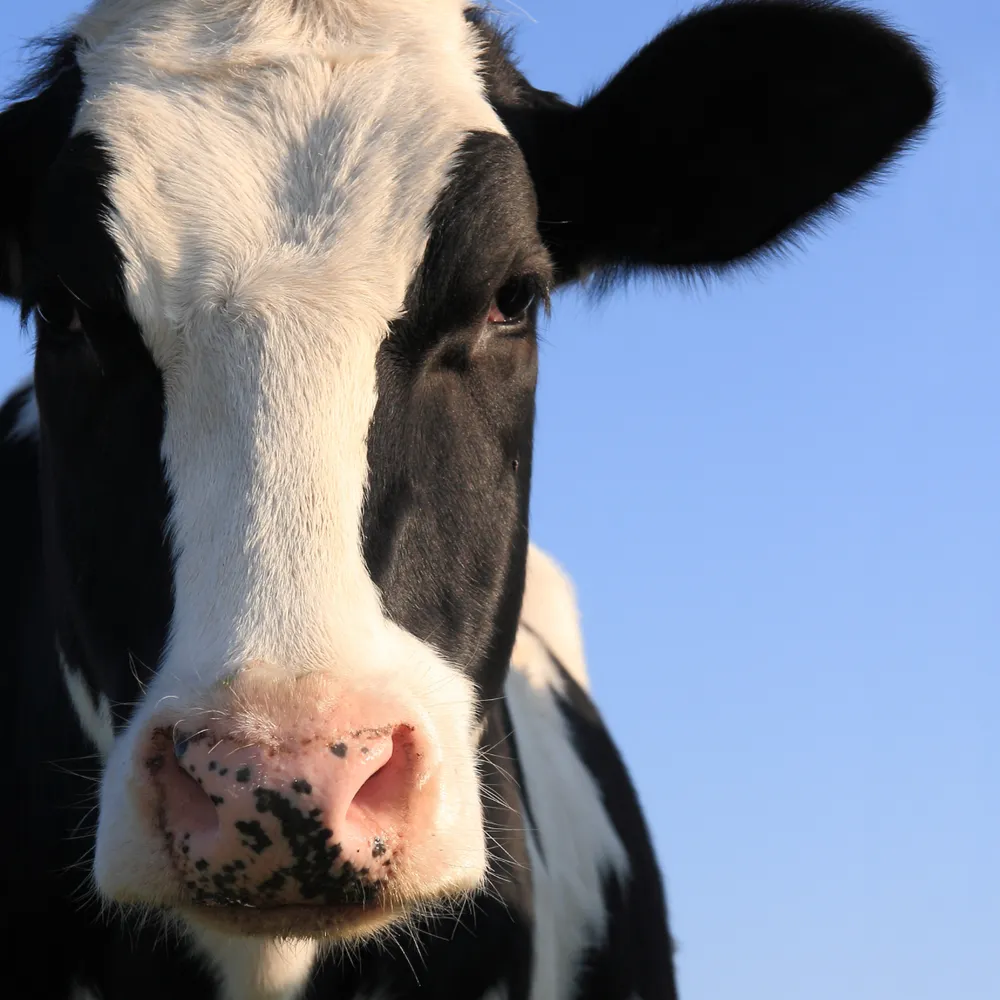
Dairy cow in a field against a clear blue sky
Sector hazards mapped to standards Kit lists by role, not by catalogue Stocked nationwide Trade accounts

The sector

Why farm kit is a system, not an outfit

The same person might spend one day fixing a baler, the next TB-testing cattle, the third mixing spray — three unrelated hazard profiles sharing a kettle. The farms that get workwear right run it like the rest of their compliance: a short list per task, hanging where the task starts. Machinery work means fitted, snag-free kit (the PTO rule never retires); livestock means S5 safety wellingtons and waterproofs; chemical days mean the label's PPE, read that morning; dusty barns mean FFP respirators before the cough, not after.

Our farm worker role guide walks the individual's wardrobe; this page is the employer's map — including the contractors, students and seasonal staff who arrive each year with trainers and optimism.

Kit by task

The agriculture kit map

WorkThe kit that mattersThe spec detail
Machinery & workshopFitted coveralls, cut gloves, hearing protectionEN 352 — dryers, saws and old cabs
Livestock & yardS5 wellingtons, waterproofs, gauntletsCrush, slurry and washdown — the codes
Spraying & chemicalsPPE per product label; splash or disposable coverallsEN 13034; label beats habit
Grain, straw & poultry dustFFP2/FFP3, eye protectionOrganic dusts sensitise lungs permanently
Estate & forestry tasksCertified chainsaw kit where saws runThe classes and types

Management notes

What farm employers get burned by

Seasonal staff
Harvest casuals need day-one kit — hold a size run of wellingtons, hi-vis and gloves
Hygiene routes
Zoonoses travel on clothing — yard kit stays out of the house, and cuts stay covered
Sun & cold
The same workforce needs <a href='summer-workwear-guide.html'>UV-season kit</a> and <a href='base-layers-guide.html'>winter layers</a> — budget both

Questions

Agriculture FAQ

What workwear does a farm need to provide?

PPE that task risk assessments require — safety footwear where specified, chemical-handling PPE per product labels, respirators for dusty work, hearing protection around loud plant, chainsaw kit for saw tasks — provided free to employees. General workwear (overalls, weather kit) practice varies, but the protective layer is the employer's duty.

Why do farms use S5 wellingtons?

S5 combines a protective toe and midsole with a fully waterproof, washable boot — matching yards that are simultaneously crush-risk (hooves, gates, machinery) and slurry-wet with daily washdown. Leather site boots die fast in that chemistry; unprotected wellingtons gamble the toes.

What respirator is needed for grain dust?

FFP2 as a working minimum and FFP3 where dust is heavy or prolonged — organic dusts from grain, straw and poultry cause permanent sensitisation and farmer's lung. Fit matters as much as rating, and disposable respirators are single-shift items in dusty barns.

Kit the whole operation.

Send the roles and headcount — we'll come back with a kit list per role, embroidered and priced.