iNeedWorkwear
Sectors hub / Utilities

Sector guide · Utilities

Utilities: three networks, three clothing specs.

Utilities crews share the same holes in the same pavements, but the energy inside the hole writes three different clothing specs: arc ratings for electricity, flame resistance for gas, and hygiene-plus-waterproofing for water. The streetworks baseline is common; the protective layer is discipline-specific.

Streetworks
The shared hi-vis baseline
Arc / FR
The layer the network decides
All weather
Faults don't check forecasts
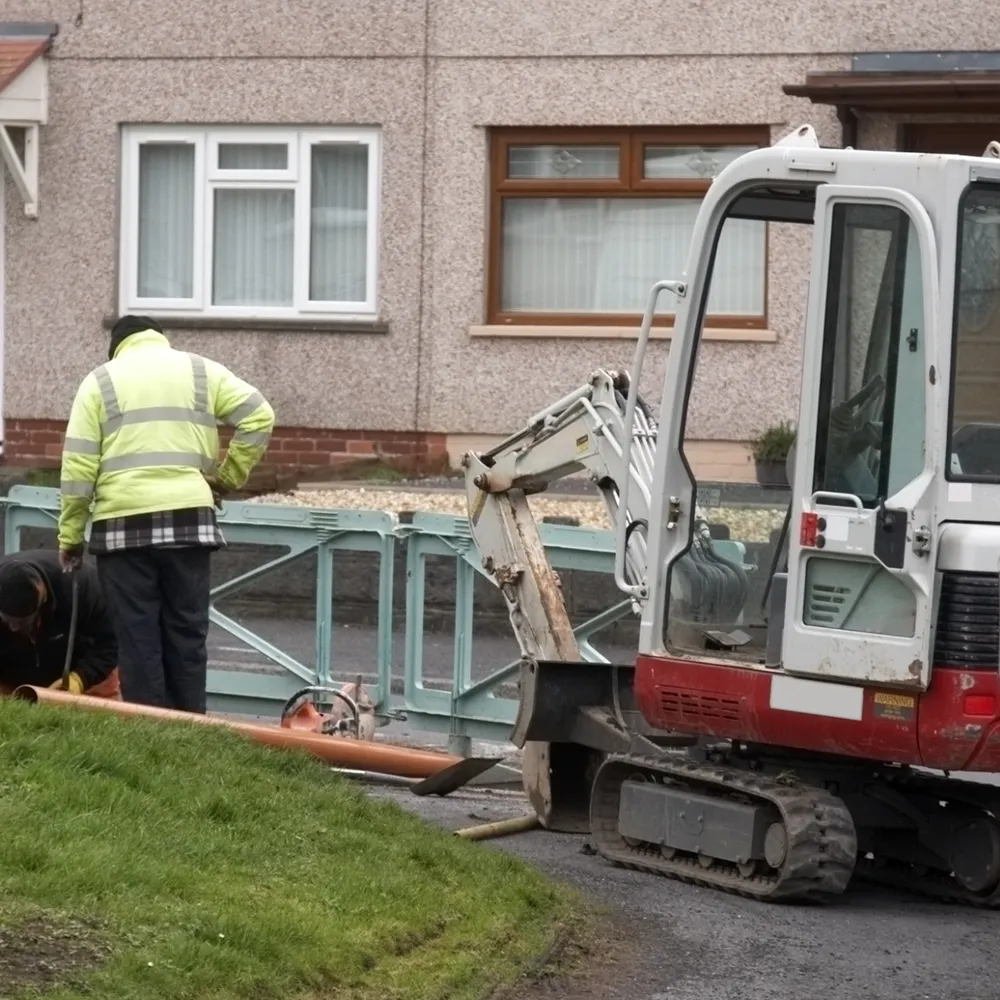
Utility crew with a mini excavator working on a street excavation outside houses
Sector hazards mapped to standards Kit lists by role, not by catalogue Stocked nationwide Trade accounts

The sector

One baseline, three overlays

The shared baseline is streetworks: work on or beside highways means hi-vis to the network's rules — Class 2 minimum, Class 3 on faster roads — plus S3 boots, helmets and weather kit, because network faults are found in the rain that caused them. Signing, lighting and guarding competence comes with its own training; the clothing rules ride alongside.

The overlays: electricity network work brings IEC 61482 arc-rated garments — often as everyday wear for authorised staff, not just task kit — with ratings and layering set by each operator's policies. Gas network work brings FR with antistatic performance for live-gas environments. Water and wastewater swaps energy for biology: waterproofs, S5 wellingtons for wet chambers, gauntlets and hygiene discipline against sewage contact, with confined-space equipment employer-issued per entry procedures.
Kit by network

The utilities kit map

NetworkThe kit that mattersThe spec detail
All streetworksClass 2–3 hi-vis, S3 boots, weather layersThe shared baseline, per network rules
ElectricityArc-rated garments and layersIEC 61482 — operator policy sets ratings
GasFR + antistatic garmentsEN 1149-5 joins the FR base
Water & wastewaterWaterproofs, S5 wellingtons, gauntletsHygiene rules after sewage contact
Metering & domestic visitsSmart embroidered kit, bump capsEN 812 for lofts, cellars and voids

Management notes

What utilities employers get burned by

Layer discipline
Arc and FR ratings assume the certified layers are worn together — a polyester hoodie under FR breaks the system
Storm response
Emergency callout kit lives ready-bagged — <a href='reproofing-waterproofs.html'>maintained waterproofs</a>, spares, thermals
Public face
Crews on domestic doorsteps carry the brand — embroidered, identifiable kit reduces doorstep friction

Questions

Utilities FAQ

What is the difference between power and gas network workwear?

The protective layer: electricity network staff wear arc-rated (IEC 61482) garments against arc-flash energy, while gas network staff wear flame-resistant kit with antistatic (EN 1149-5) performance against ignition in live-gas environments. The streetworks hi-vis baseline underneath is the same.

Why do utility workers wear arc-rated clothing every day?

Because network faults don't schedule themselves — many operators specify arc-rated garments as everyday uniform for authorised staff so the protection is simply always on, rather than relying on someone changing clothes before an emergency switching operation. The operator's policy sets the required ratings.

What do water company workers wear?

Streetworks hi-vis and S3 boots as baseline, with waterproofs and S5 safety wellingtons for chamber and wet-well work, gauntlets and strict hygiene routines around sewage, and employer-issued confined-space equipment where entries happen. The biology, not the voltage, is the hazard being dressed for.

Kit the whole operation.

Send the roles and headcount — we'll come back with a kit list per role, embroidered and priced.