iNeedWorkwear
Areas hub / Plymouth

Area guide · Plymouth

Workwear in Plymouth: dockyard rules, fishing weather.

Plymouth works for the sea three ways: Western Europe's largest naval base refits warships at Devonport, marine engineering and boatbuilding line the waterfront, and a working fishing fleet still lands at Sutton Harbour. Three maritime wardrobes, one city.

Devonport
Carrier-scale refit work
Marine belt
Boatyards and engineering
The fleet
Fishing still works from here
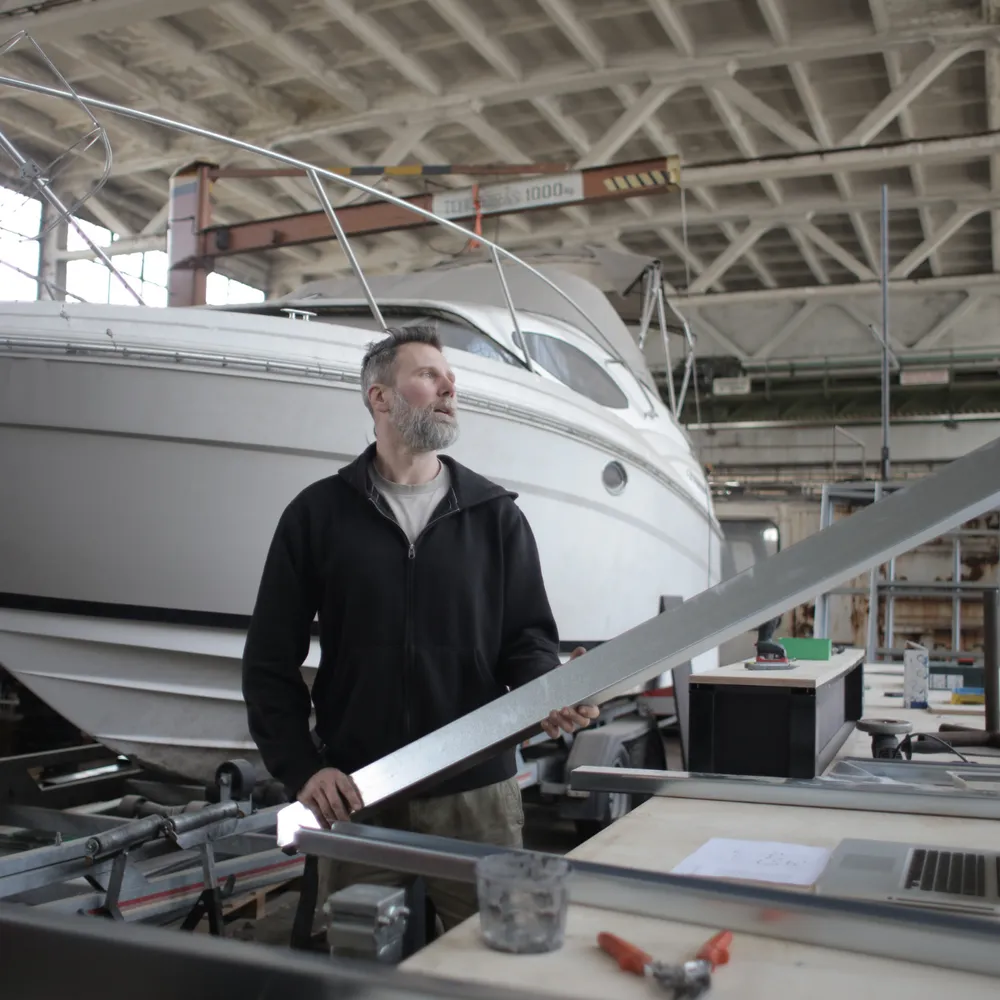
Boatbuilder working beside a motor cruiser in a boatyard shed
Kit matched to the local economy Standards named, not implied Fast nationwide supply Embroidery & trade accounts

The local economy

What Plymouth actually works on

The dockyard leads — nuclear-submarine and warship refit at Devonport with its ring of contractor firms, running the access-controlled, buy-to-the-document culture of defence maritime work. Marine engineering and boatbuilding fill the waterfront economy — composites, fit-out, chandlery trades — and the fishing fleet keeps the oldest maritime wardrobe alive. A university city's construction, healthcare and services base rounds it out.

Kit by industry

The Plymouth kit map

Local industryThe kit that mattersThe spec detail
Dockyard contractorsKit to the induction document, FR for hot workThe naval-base pattern
Marine engineeringWelding FR, coveralls, confined-space disciplineEN ISO 11611 afloat
Boatbuilding & compositesType 5/6 disposables, FFP3, nitrileThe GRP rules, southwest edition
Fishing & fish tradeOilskins, grip wellingtons, thermal layersS4/S5 where the quay demands
Construction & tradesSite baselineThe list

The detail that matters

The fleet's list is the oldest and the strictest

Commercial fishing remains Britain's most dangerous peacetime job, and its kit reflects centuries of learning: oilskin bibs and smocks that shed green water, grip-soled wellingtons (deck slime beats every other slip surface), wet-cold rated gloves in rotation because soaked hands stop working, and thermal layers under everything — with buoyancy and safety equipment governed by the vessel's code, not the clothing budget. Shore-side fish handling runs the hygiene-whites pattern at market scale.

The dockyard end could not be more different — documented, inducted, security-checked — and the buy-to-the-document rule governs: contractor kit lists come in writing, and spares live in the van because a turned-away trade loses the day at the gate.
Supply

How we supply Plymouth

To the document
Dockyard kit matched to induction packs
Fleet-grade
Oilskins, wellingtons and thermals from stock
Trade accounts
Yards, contractors and merchants on one account

Questions

Plymouth kit FAQ

What do fishing crews wear?

Oilskin bibs and smocks over thermal layers, grip-soled wellingtons against deck slime, and wet-cold rated gloves carried in rotation — with the vessel's coded safety and buoyancy equipment governing the survival layer. It's the oldest workwear list in Britain and still the most tested.

What kit do Devonport contractors need?

Whatever their contract and induction documents specify — typically fitted workwear or coveralls, S3 boots, helmet and eyewear, with FR for hot work and zone-specific additions. Defence maritime sites enforce the written list at access-controlled gates; order against the document.

Do you supply Plymouth's marine trades?

Nationwide from stock express — welding FR and composite disposables for the yards, oilskins and wellingtons for the fleet and fish trade, dockyard lists per induction pack, one trade account per firm.

Kitting a team out here?

We supply nationwide from stock — send the roles and headcount and we'll come back with a kit list, embroidered.