iNeedWorkwear
Areas hub / St Helens

Area guide · St Helens

Workwear in St Helens: glass writes the rules.

St Helens made the world's window glass, and the industry is still here — float lines, processing plants and the research centre that leads the field. Glass gives the town a two-sided kit list: serious heat where it's molten, serious cut protection everywhere it's solid.

1,500 °C
Float furnaces run constantly
Cut D–F
Downstream, everything has edges
Glass town
The industry that named the streets
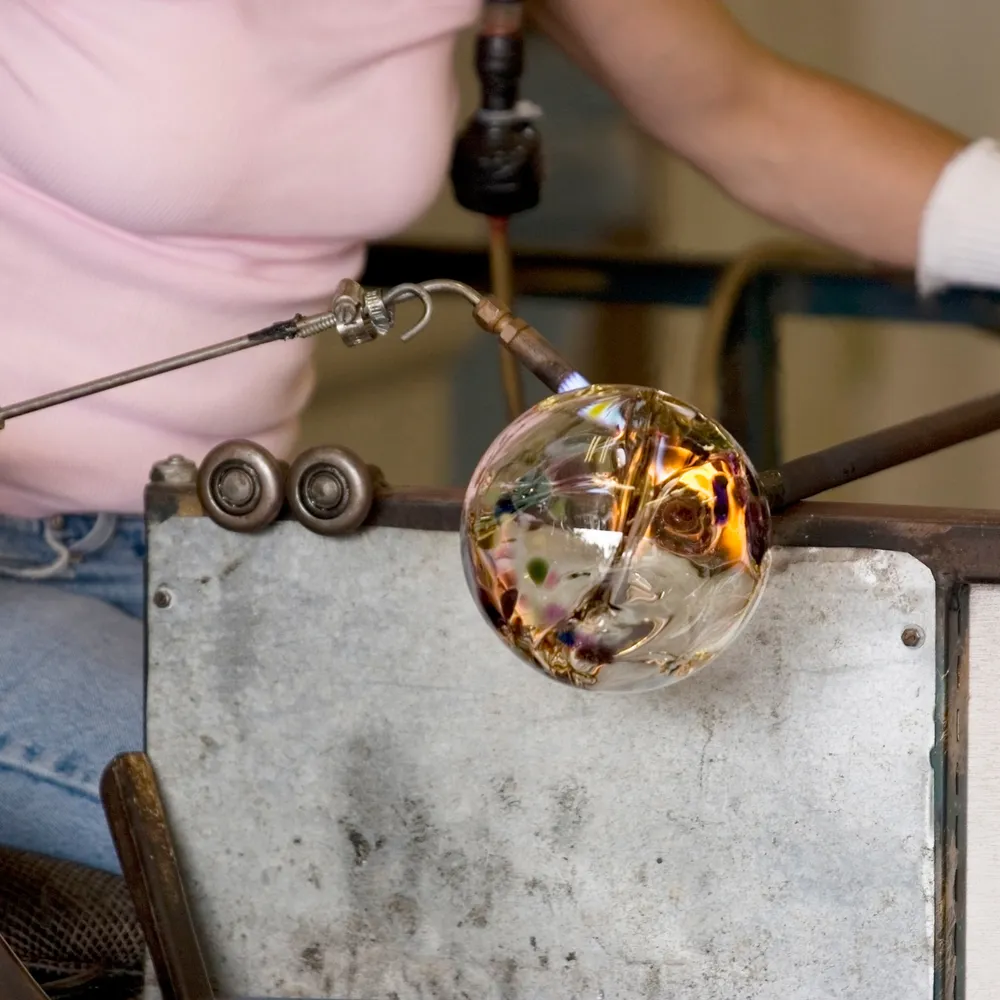
Glassworker shaping molten glass with a torch
Kit matched to the local economy Standards named, not implied Fast nationwide supply Embroidery & trade accounts

The local economy

What St Helens actually makes

Glass leads: float glass manufacture and coating, architectural and automotive glass processing, and a cluster of downstream glazing businesses — plus the industry's UK research heart. Around it: logistics parks that filled the old industrial land along the M62 linkages, general manufacturing, construction trades, and the warehouse-and-distribution employment the town shares with the wider Warrington corridor.

The glass works' wardrobe splits at the annealing lehr: hot-end kit that borrows from steel-town thinking, and cold-end kit where the material's edges set the glove standard higher than almost any other industry.

Kit by industry

The St Helens kit map

Local industryThe kit that mattersThe spec detail
Hot end (furnace & forming)Heat-resistant layers, EN 407 gauntlets, HRO solesRadiant + contact heat — the code letters where FR applies
Cold end & processingCut level D–F gloves, wrist protectionThe glazier's rules at industrial scale
Toughening & coating linesFitted kit, heat gloves at the exitFresh-toughened glass holds heat invisibly
Logistics & distributionHi-vis, S1P trainersKit by zone
Construction & glazing tradesSite baseline + glazing glovesThe list plus cut-rated hands

The detail that matters

Cut ratings earn their letters here

Glass processing is where the ISO 13997 cut letters stop being abstract: handling float sheet, offcuts and breakage calls for level D as a floor and F where sheets are large, with grip coatings that hold smooth heavy material and cuff length that covers the wrist — the same slide-down-the-carry injury logic as the glazing trade, at line speed. Sleeve protection for arms and aprons for the body follow wherever manual handling meets sheet edges.

The hot end inverts it: forming and lehr work is radiant-and-contact heat territory — heavy natural-fibre or FR layers, EN 407 gauntlets, and the quiet rule toughening lines teach everyone: glass out of the process looks cool long before it is. Contact-heat gloves stay on past the point instinct says they can come off.
Supply

How we supply St Helens

Both ends
Heat kit and cut-level-F gloves from one stock
By the box
Processing lines consume gloves — case quantities
Trade accounts
Glass firms and hauliers on one account

Questions

St Helens kit FAQ

What gloves are used in glass factories?

Cold-end handling runs on high cut-rated gloves — ISO 13997 level D to F — with strong grip and extended cuffs covering the wrist, because sheet glass injuries travel down the forearm. Hot-end and toughening work switches to EN 407 contact-heat gauntlets. Lines consume both by the case.

What is hot-end PPE in glass making?

Furnace and forming areas pair radiant and contact heat: heavy natural-fibre or FR-rated layers, heat gauntlets, face protection at inspection points and heat-resistant (HRO) soles. The discipline that matters most is treating all ware and equipment as hot — glass holds heat far longer than it shows it.

Do you supply St Helens businesses?

Nationwide from stock express — glass processors order cut-level gloves and heat kit by the case alongside the town's logistics and trades lists, one trade account per firm, embroidered before dispatch.

Kitting a team out here?

We supply nationwide from stock — send the roles and headcount and we'll come back with a kit list, embroidered.