iNeedWorkwear
Areas hub / Bradford

Area guide · Bradford

Workwear in Bradford: wool city's working wardrobe.

Bradford's mills mostly fell silent, but not all — speciality spinners and weavers still work the trade — while the city rebuilt its industry around food and drink manufacture at national scale and the logistics belt at the M606. Three economies, three familiar rulebooks.
Wool city
Speciality textiles survive
Food scale
National brands make here
M606
The shed belt at the motorway
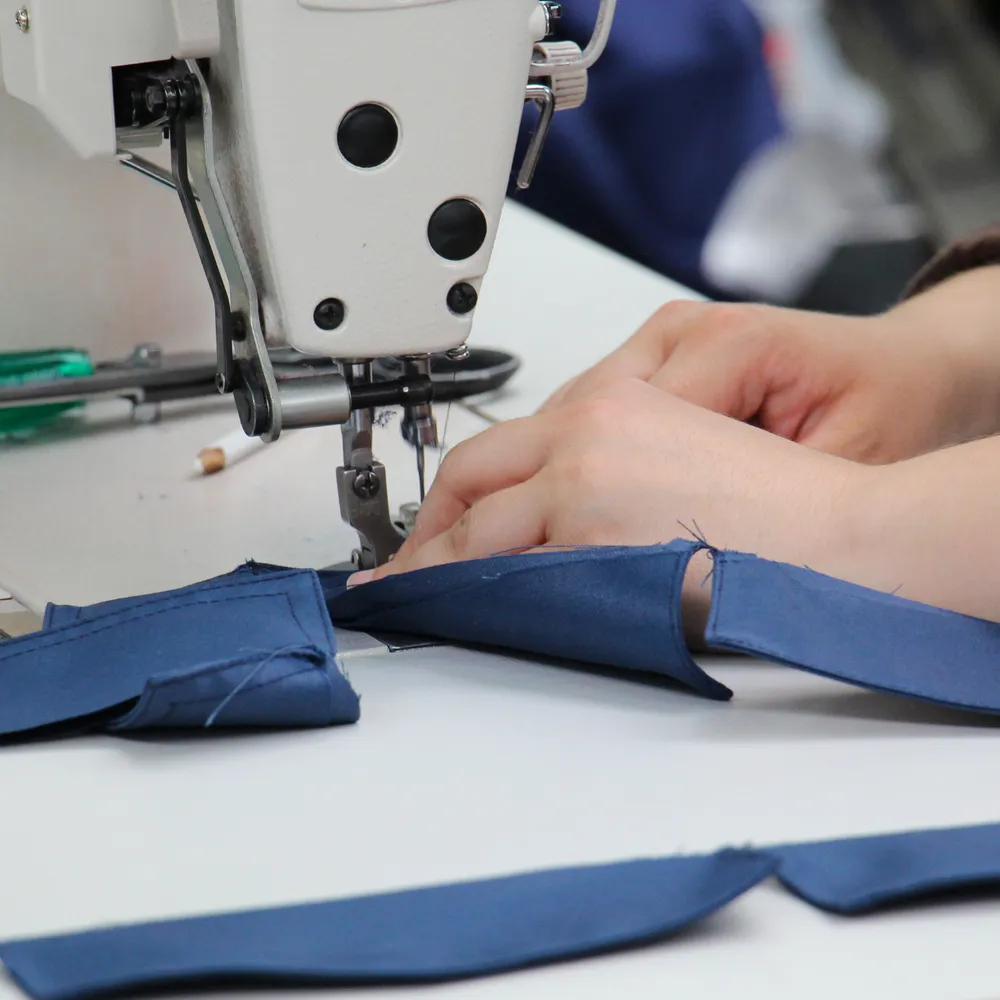
Machinist sewing navy fabric on an industrial machine
Kit matched to the local economy Standards named, not implied Fast nationwide supply Embroidery & trade accounts

The local economy

What Bradford actually makes

Food and drink manufacture is the modern giant — household-name confectionery, prepared foods and beverages produce here at national scale, under the retailer-audit regimes that dress their workforces. Textiles survive in speciality form: worsted spinners, technical weavers and dyehouses keeping the wool trade's skills alive. Logistics lines the M606 and M62 fringe, and a city of half a million adds construction, healthcare and services depth.

Kit by industry

The Bradford kit map

Local industryThe kit that mattersThe spec detail
Food & drink plantsHygiene whites, colour-coded zonesThe audit wardrobe — the Leicester logic applies
Mills & dyehousesFitted kit at machinery, chemical gloves at dyeRollers rule; EN ISO 374 at the vats
Logistics beltHi-vis, S1P trainers, chilled layersKit by zone
Construction & tradesSite baselineThe list
Healthcare & servicesScrubs, tunics, FOH uniformSector guide

The detail that matters

Dyehouse chemistry and mill machinery

The surviving textile trade keeps two disciplines alive: machinery rules — spinning frames, looms and winders punish loose clothing exactly as they did in the trade's first century, so fitted kit with snug cuffs remains law on the mill floor — and dyehouse chemistry, where hot liquors, acids and auxiliaries call for chemical gloves by product, aprons, splash goggles and wet-floor footwear that borrows from brewery thinking.

The food plants meanwhile run the full certificated wardrobe — colour-coded garments, managed laundering, pocket rules — at some of the largest scales in Britain, which makes garment-matrix management (sizes × colours × zones) the real supply challenge; it's programme work, not shopping.

Supply

How we supply Bradford

Matrix scale
Multi-zone food-plant programmes managed per site
From stock
Whites, mill kit and hi-vis express
Trade accounts
Plants, mills and 3PLs on one account

Questions

Bradford kit FAQ

What do textile mill workers wear?

Fitted workwear with snug cuffs — spinning and weaving machinery enforces the same no-loose-clothing rule as any rotating equipment — with hearing protection in designated areas, dexterity gloves for doffing and handling, and dyehouse roles adding chemical gloves, aprons and splash eye protection.

What uniforms do Bradford's food factories use?

Certificated-scheme wardrobes: company-provided hygiene garments with colour-coding by zone, snoods and hair coverage, pocket and stud rules, dedicated footwear and managed laundering. At Bradford's plant sizes the buying challenge is the size-colour-zone matrix, run as a programme.

Do you deliver to Bradford businesses?

Nationwide from stock, usually on an express service — food-plant garment programmes, mill and dyehouse kit, and the M606 belt's warehouse lists all run through single trade accounts with embroidery before dispatch.

Kitting a team out here?

We supply nationwide from stock — send the roles and headcount and we'll come back with a kit list, embroidered.