Comparison · FR fabric types
Two FR garments can carry identical certifications and be completely different products underneath: one woven from fibres that can't burn, the other from cotton chemically finished to resist it. Both pass the same tests on day one — the difference is what happens over two hundred washes.
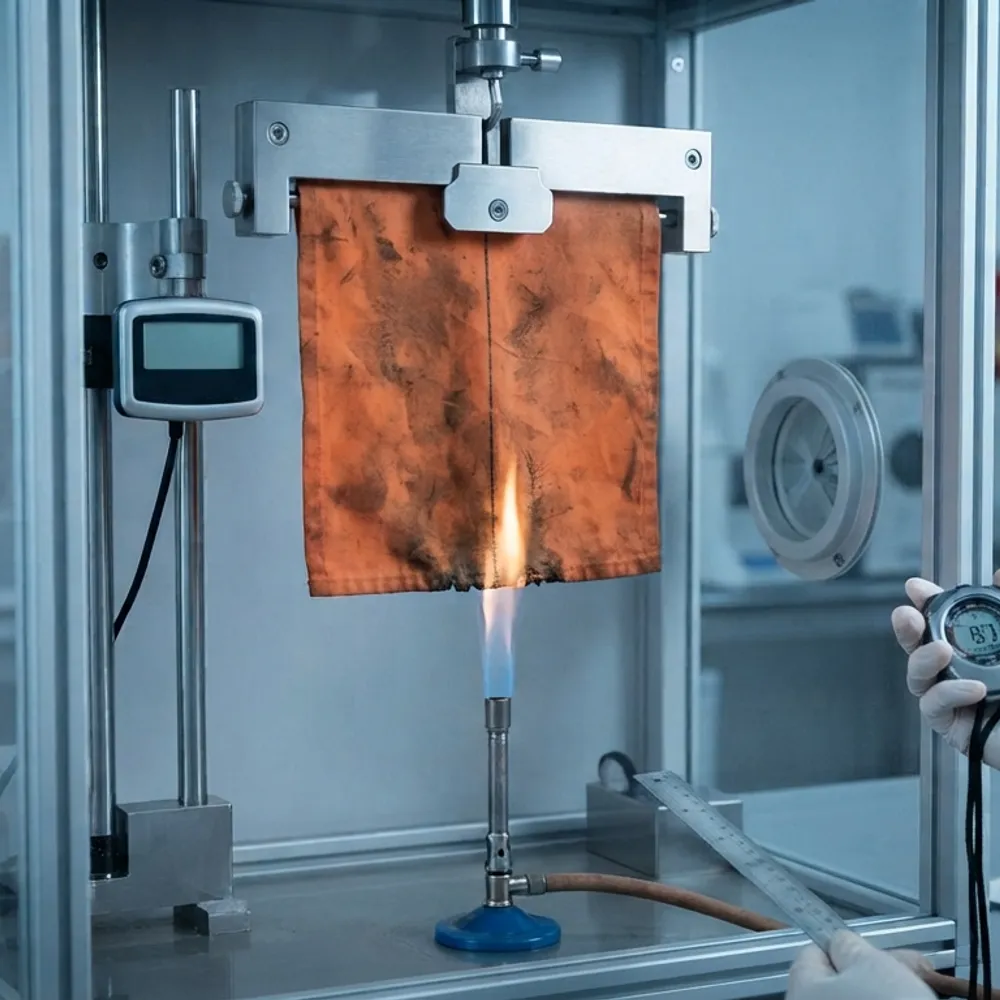
The two routes
Inherent FR fabrics are spun from fibres whose molecular structure doesn't sustain flame — aramids (the Nomex family), modacrylics and blends. The protection is the fibre: it can't wash out, wear off or be laundered away, and it persists for the structural life of the garment.
Treated FR starts as cotton or poly-cotton and gains its resistance from a flame-retardant finish bonded into the fabric (Proban-type processes and successors). Done properly it's genuinely certified protection with cotton's comfort and a friendlier price — but the finish is a consumable: it survives a specified number of correct wash cycles, and incorrect laundering (bleach, softener, wrong chemistry) depletes it early, invisibly.
Head to head
| Inherent | Treated | |
|---|---|---|
| Where the FR lives | In the fibre — permanent | In a finish — rated for a wash life |
| Day-one certification | Identical — both certify to the same standards | Identical |
| After laundering abuse | Protection persists (fabric may still wear out) | Finish depletes — garment can look fine and protect less |
| Comfort & weight | Often lighter for the same rating | Cotton hand-feel; typically heavier |
| Purchase price | Higher | Lower |
| Cost per wear | Wins on long-life, hard-laundered fleets | Wins on shorter cycles and tighter budgets |
| Typical homes | Offshore, utilities, arc-rated systems | Foundry and welding coveralls, general FR fleets |
Choosing
The right question isn't "which fabric is better" — it's "what will actually happen to this garment in the wash?" A fleet laundered industrially, on contract, to the garment maker's spec keeps treated FR inside its rated life comfortably — and pockets the price difference. Kit washed at home, by many hands, with whatever's next to the machine, is exactly where treated finishes die early — and where inherent fabric's tolerance for abuse pays for itself.
Two universal caveats: both types lose protection to hydrocarbon contamination (oil is fuel), and both follow the same laundering rules (no softener, no bleach) — inherent fabric survives rule-breaking better, but softener film makes any fabric's surface flammable.
Fleet notes
Questions
Inherent FR fabric is woven from fibres that are flame-resistant by chemistry (aramids, modacrylics) — the protection can't wash out. Treated FR is cotton finished with a flame-retardant treatment — certified protection with a specified wash life that incorrect laundering shortens.
It's more durable, not more protective — on day one both certify to the same standards. Inherent wins where garments live long and laundering is uncontrolled; treated wins on price and cotton comfort where wash discipline is good. Cost per wear, not the label, is the fair comparison.
The finish is rated for a stated number of correct wash cycles and depletes early under bleach, softener or wrong wash chemistry — without changing how the garment looks. That invisible failure mode is why treated fleets need laundering discipline and cycle awareness.
The flame resistance persists, but the garment doesn't — abrasion, rips, UV and contamination still retire it. And a softener film or oil soaking makes any FR fabric's surface ignitable, inherent included. Care rules apply to both types equally.
Multi-norm coveralls, arc-rated kit and FR base layers from stock — with badging that doesn't void the certification.