iNeedWorkwear
Sectors hub / Forestry

Sector guide · Forestry & arboriculture

Forestry & arb workwear: built around the saw.

Forestry kit divides at one line: operating the saw, or working around it. The saw side is governed by certified chainsaw-protective clothing with types and classes; the around side is hard outdoor workwear with a hi-vis twist. Most crews need both wardrobes — often on the same person, same day.
EN ISO 11393
The chainsaw standard at the core
Climb vs ground
The Type C / Type A split
All seasons
The forest has no indoors
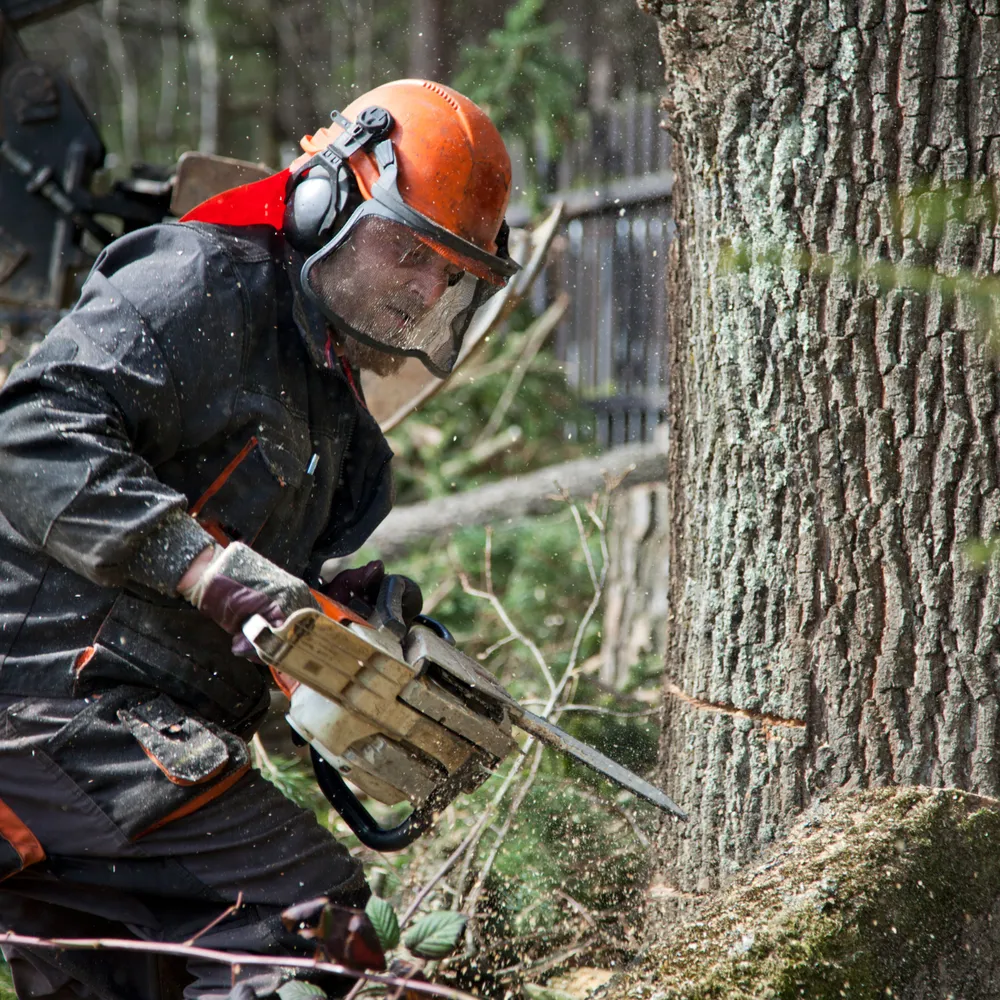
Chainsaw operator in a forestry helmet with visor and ear defenders felling a tree
Kit lists by sector Standards named, not implied Embroidery on your kit or ours Trade accounts

The map

Kit by forestry role

RoleKitThe spec detail
Ground-based operatorType A chainsaw trousers, chainsaw boots, helmet systemThe full breakdown: chainsaw & forestry kit
Climbing arboristType C trousers, climbing helmet, harness-aware layersAll-round leg protection; kit works with the harness like roofing
Groundworker / chipper crewHi-vis, EN 166 eyes, ear defenders, glovesAround the saw and the chipper — flying debris is their hazard
Firewood & sawmillCut gloves, eye/ear kit, dust masksProcessing brings wood-dust FFP rules indoors
Estate & grounds crossoverThe landscaper list plus saw ticketsMany rural roles straddle both

The sector layer

Around the certified core, hard outdoor kit

Chainsaw clothing does one job; the forest does the rest. The sector's everyday layer is the hardest-wearing version of the outdoor stack — wicking base, tough mid-layer, maintained waterproofs — plus hi-vis as standard practice: orange or yellow shells and helmets keep crews visible to each other, to machinery, and to the public on estate and roadside work. Thorn-proof gloves, ankle-deep mud footwear between saw tasks, and a dry-kit box in the truck complete the picture.

The discipline that holds it together is inspection culture: chainsaw trousers retire on any contact, helmets on date and UV, boots on tread — because in this sector the kit check is part of the job ticket, not an HR nicety.

Buying

Three forestry-fleet rules

Class to the saw
Chainsaw protection classes match chain speed — check the saw plate, not the price list
Type by task
Ground crews Type A; anyone climbing, Type C — no exceptions for summer heat
One contact = replace
Chainsaw garments are single-event PPE; budget them as consumables

Questions

Forestry sector FAQ

What's the difference between climbing and ground chainsaw trousers?

Coverage: Type A protects the front of the legs and suits ground work; Type C wraps all round for climbers and platform work where the saw can reach from any angle. Class (1–3) separately matches the saw's chain speed.

Do chipper crews need chainsaw trousers?

Not for the chipper itself — their hazards are flying debris, noise and entanglement, so the kit is rated eye protection, ear defenders, close-fitting hi-vis clothing and gloves. Anyone also operating the saw needs the certified chainsaw kit on top.

Why do forestry helmets have visors and ear defenders attached?

Because the hazards arrive together: chip strike, sawdust and sustained noise. The forestry helmet system — shell, mesh visor, defenders — is designed and worn as one unit, usually in hi-vis colours so crews stay visible among trees.

Kitting out a team, club or school?

Supply and customise, or embroider what you already use — send the logo and the headcount.