Role guide · Chainsaw & forestry
Chainsaw clothing is unusual among PPE: it's designed to be destroyed. The layers inside a protective trouser exist to pull out, clog the sprocket and stall the chain in the fraction of a second before it reaches the leg. That design has types and classes — and choosing them wrong defeats the idea.
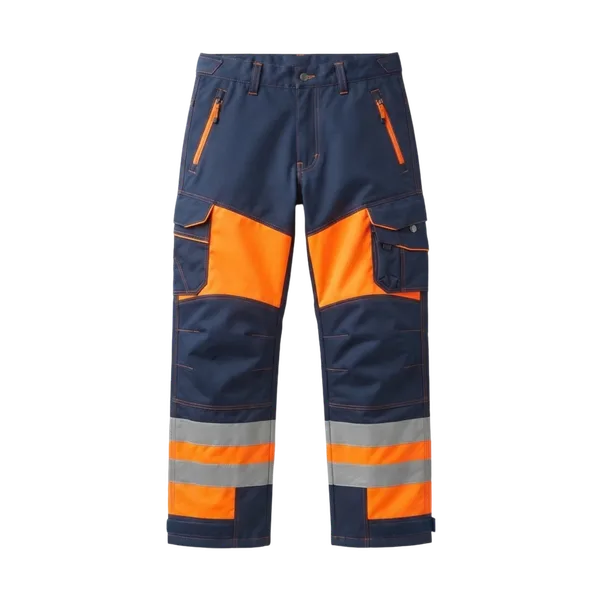
How it works
Inside chainsaw-protective garments sit layers of long, loose fibres. On contact, the chain rips them out and drags them into the drive sprocket, jamming the saw to a stop — sacrificing the garment to save the limb. Three consequences follow:
Types & classes
| Decision | Options | How to choose |
|---|---|---|
| Coverage (trousers) | Type A — front of legs · Type C — all-round | Type A for ground work with escape routes; Type C for climbing, platform and utility work where the saw can reach the back of the leg |
| Protection class | Class 1 (20 m/s) · Class 2 (24 m/s) · Class 3 (28 m/s) | Match to the saw's chain speed — Class 1 covers most ground-based forestry saws; professional users check the saw's plate |
| Boots | EN ISO 17249 chainsaw boots | Toe cap plus chainsaw-protective layers over the vamp — ordinary S3 boots are not chainsaw boots |
| Gloves | Chainsaw-protective left hand (common design) | The left hand rides nearest the bar on most saws |
Up top
The forestry helmet set — shell, mesh visor, ear defenders — is designed as one unit and worn as one: chip strike, noise and canopy debris arrive together. Hi-vis shells are the forestry norm so ground crews stay visible among the trees, and helmets carry a service life (check the moulding date) that outdoor UV shortens.
Around the protective kit goes ordinary outdoor workwear logic: wicking base layers, hi-vis where extraction machinery operates, and waterproofs maintained so a wet day doesn't end the layering system. Cut-resistant gloves for the non-saw handling — sharpening, dragging brash — follow the EN 388 ratings.
Questions
Coverage: Type A protects the front of the legs and is the ground-work standard; Type C wraps protection all round the leg for climbing, platform and utility arborists where the saw can reach from any angle. Type C is hotter and heavier — that's the trade.
They're rated stopping speeds under EN ISO 11393: Class 1 to 20 m/s of chain speed, Class 2 to 24, Class 3 to 28. Match the class to the saw you run — Class 1 covers most ground-based forestry work; check the saw's specification plate.
No — any chain contact that pulls the internal fibres has spent the protection, even if the outer looks repairable. The garment is replaced. Sewing up the shell hides the fact that the layers underneath are gone.
Yes — chainsaw boots certified to EN ISO 17249, which add chainsaw-protective layers over the vulnerable areas on top of a standard safety-boot toe cap. Ordinary S3 site boots provide no chain protection at all.
Either way the kit list is the same — send the role and the headcount and we'll price it, embroidered.