iNeedWorkwear
Roles hub / Roofing

Role guide · Roofer

Roofer's kit: grip, wind and working at height.

A roof squares every outdoor-kit problem: more wind than anywhere on site, nowhere to shelter, kneeling as a working position, and the consequences of a slip measured in storeys. Kit choices up there are safety choices wearing comfort's clothes.

Grip
The spec that outranks all others
Wind
Doubles the effective cold
Harness-aware
Clothing works around the kit
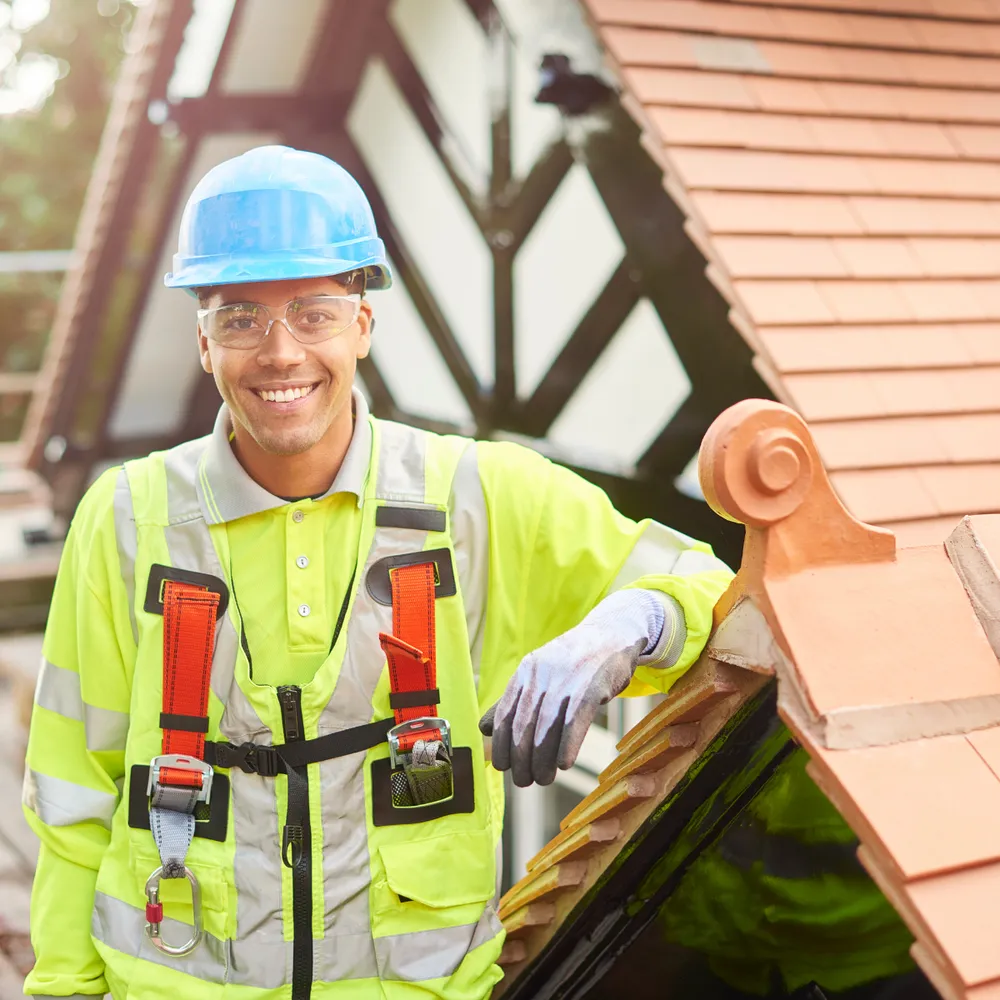
Roofer in hi-vis and a safety harness beside a tiled roof ridge
Head-to-toe kit lists Standards named per item Certified stock to match Embroidery & trade accounts

The list

Head to toe

ItemSpecWhy
FootwearS3, aggressive SR sole, flexible forefootGrip on wet tile and crawl boards is the primary PPE up here
TrousersStretch ripstop, EN 14404 kneesTile work is knee work; stiff fabric fights the ladder
LayersWicking base + windproof softshell + EN 343 shellRoof wind makes 8 °C feel like 2 — windproofing first
Hi-visPer site — vest or Class 3 jacketScaffold and street interface below
HelmetChinstrap-retained style favoured at heightAn EN 397 lid that blows off protects nobody — the helmet guide
GlovesGrippy coated; EN 407 pair for torch-onHandling tile and lead vs handling flame are two pairs
Harness kitEmployer-provided, worn over clothingClothing stays trim so the harness sits right

The specifics

Wind first, and dress for the harness

Ground-level layering logic underestimates roofs: wind is the multiplier, stripping heat through fleece that would be fine in the yard. The roof answer is windproofing early — softshell over base layer — with the waterproof shell for actual rain, because roof work in real rain usually stops for the same reason the tiles are slippery.

Harness compatibility quietly shapes the wardrobe: bulky insulated jackets bunch under straps and hide the fit check, so roofers run trim layers under the harness and put warmth in the base and mid layers instead. Torch-on and hot works add the flame layer: an EN 407-rated glove, natural-fibre or FR outer near the torch, and the melt-layer rule from the FR hub applying to whatever's underneath.
Details

Three ridge-tested details

Sole checks
Worn tread on a roof is a different order of problem — inspect like PPE, because it is
Nothing flapping
Wind turns loose kit into sails and blindfolds — trim fits at height
Sun kit
Roofers burn in April — neck flaps and SPF are summer PPE up there

Questions

Roofer kit FAQ

What boots are best for roofing?

S3 boots with an aggressive slip-rated sole and a flexible forefoot — grip on wet tile, membrane and crawl boards is the primary spec, and a stiff sole fights the footwork. Tread condition gets inspected like the safety equipment it is.

What do roofers wear in winter?

Windproofing before insulation: wicking base layer, windproof softshell, and a waterproof shell for real weather — roof wind doubles the effective cold, and bulky coats fight the harness. Warm gloves that still grip, and a helmet-compatible beanie, finish it.

Do roofers need special helmets?

Work at height favours chinstrap-retained climbing-style helmets (EN 12492) that stay on in a fall or gust, and many roofing contractors now specify them over traditional EN 397 lids. The site or employer's rules make the final call — check before buying.

Trade kit, sorted.

Everything on the list is stocked and embroiderable — one order, one account.