iNeedWorkwear
Work gloves

Standards hub · Work gloves

Work gloves: types, ratings & how to choose.

The wrong glove doesn't just wear out fast — it gets taken off, and a glove in a pocket protects nothing. Choosing well means matching the coating, the cut level and the fit to the actual task. This hub covers the types and the decision; the EN 388 guide decodes the ratings.

EN 388
Mechanical risks
A–F
Cut levels
Fit first
Worn gloves protect
Cut-resistant coated work gloves
EN 388 rated stock Cut levels A–F Coated grip & winter-lined Boxed quantities for teams Trade accounts

The short version

Match the glove to the hazard, not the job title

Glove choice starts with one question: what actually threatens the hand? Abrasion from block and brick, cuts from sheet metal or glass, cold from a winter scaffold, oil killing your grip — each points to a different glove, and the ratings system that sorts them is EN 388, the standard for mechanical risks.

The second question is comfort, and it isn't soft: studies of hand injuries keep finding the same thing — gloves that are clumsy, sweaty or badly sized get removed, and the injury happens bare-handed. A slightly less protective glove that stays on beats a bulletproof one in a back pocket.

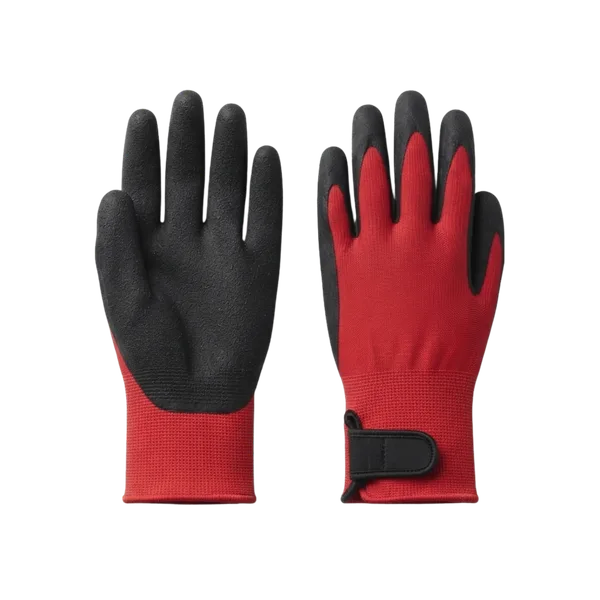
That's why the modern default for general site work is a thin coated glove — a knitted liner dipped in nitrile or polyurethane — rather than the old leather rigger: near-bare-hand dexterity, real abrasion numbers, and cheap enough to replace the moment it's torn.
The types

Five gloves cover most work

Coating and liner decide what a glove is for. These five families cover the overwhelming majority of tasks.

General handling

Coated grip gloves

PU or nitrile dip · EN 388 rated

The everyday site glove — dexterity, abrasion resistance and grip, dry or lightly oily. Buy by the box.

Sharp materials

Cut-resistant gloves

Cut level B–F · steel, glass, blades

HPPE or steel-fibre liners under the same coatings. Pick the cut letter to the hazard — the EN 388 guide shows how.

Cold work

Winter-lined gloves

EN 511 cold rating · fleece or acrylic liner

Cold, numb hands drop things. Lined and often water-repellent for outdoor winter work.

Wet & chemical

Chemical-resistant gauntlets

EN ISO 374 · nitrile or PVC

Cleaning, concrete additives, fuels — a different standard (EN ISO 374) and a different glove entirely.

Hygiene & inspection

Disposable nitrile

Single-use · food-safe options

Catering, healthcare, paint prep, inspection. Protection for the product as much as the hand.

Heavy & hot

Riggers & heat gloves

Leather · EN 407 for heat

Heavy hauling, hot works and welding sit outside the thin-coated world — leather and heat-rated kit still earn their place.

The four digits and letters on the back of every rated glove, decoded — with a live tool: Read: EN 388 glove ratings explained →

Quick reference

Which glove for which task

TaskSensible gloveLook for
General site work, materials handlingCoated grip gloveEN 388 abrasion 3–4
Sheet metal, glazing, blade workCut-resistant coated gloveCut level C or above
Winter outdoor workWinter-lined grip gloveEN 511 + EN 388
Concrete, cleaning chemicals, fuelsChemical gauntletEN ISO 374
Food prep, healthcare, inspectionDisposable nitrileFood-contact approved where needed
Hot works, weldingLeather / heat-rated gloveEN 407 (welding: EN 12477)

The bit people miss

Fit and replacement do half the protecting

Sized, not S/M/L guessed
Measure around the knuckles — a glove that fights the hand comes off the hand
Torn = binned
A holed coating or split seam has lost its rating; boxed gloves exist so replacement is painless
X isn't zero
An X in an EN 388 marking means untested for that hazard — don't assume, check

Go deeper

The detailed guides

This hub is the overview. Each guide takes one part further — and links back here.

Questions

Work glove FAQ

What do the numbers on work gloves mean?

They're the EN 388 rating for mechanical risks: four digits for abrasion, cut (coup test), tear and puncture, then optionally a letter A–F for the ISO 13997 cut test and a P for impact protection. Higher is better in each position; X means untested.

What are the best gloves for general building work?

A nitrile- or PU-coated knitted glove with EN 388 abrasion level 3 or 4 covers most general site work — good grip, enough dexterity that it stays on, cheap enough to replace when torn. Move to a cut-rated version (level C+) when handling sheet metal, glass or blades.

How should work gloves fit?

Snug across the palm without pressure at the fingertips — measure around the knuckles and use the maker's size chart rather than guessing. Too big ruins grip and dexterity; too small fatigues the hand. Both end the same way: the glove comes off, and protection with it.

When should work gloves be replaced?

When the coating is holed or peeling, a seam splits, cut-resistant fibres are exposed, or the glove is soaked in oil that won't wash out. Damage removes the rated protection even if the glove still feels wearable — that's why site gloves are bought boxed.

Gloves are a consumable — buy them like one.

EN 388 rated general-handling, cut-resistant and winter gloves in boxed quantities, with trade accounts for regular ordering.